Latest posts
-
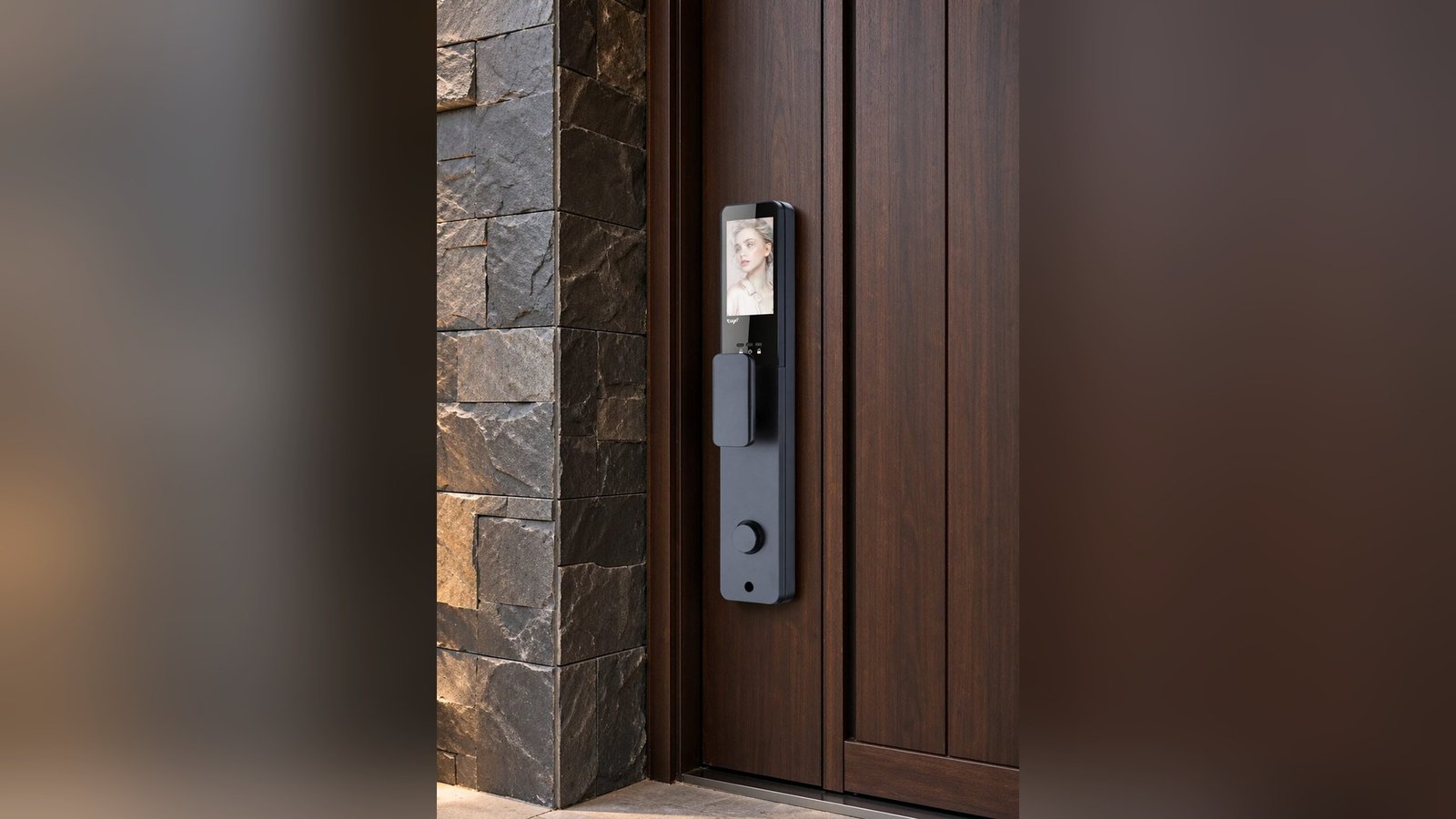
Beeps, Lights and Voices: Feedback Design at the Door
Beeps, blinks and spoken prompts are the door’s vocabulary. How feedback design decides whether entry feels clear or cryptic, especially for guests…
-

Built for −25°C to 70°C: When Working Temperature Matters
Temperature ratings quietly decide which locks suit cold winters, hot lobbies and coastal projects. What a documented range covers, and where it…
-

Cameras on Door Locks: Reading the Spec That Matters
200W pixel, 2MP night vision, a 4.5-inch screen: what lock camera specs actually mean at a door, and the questions a spec…
-
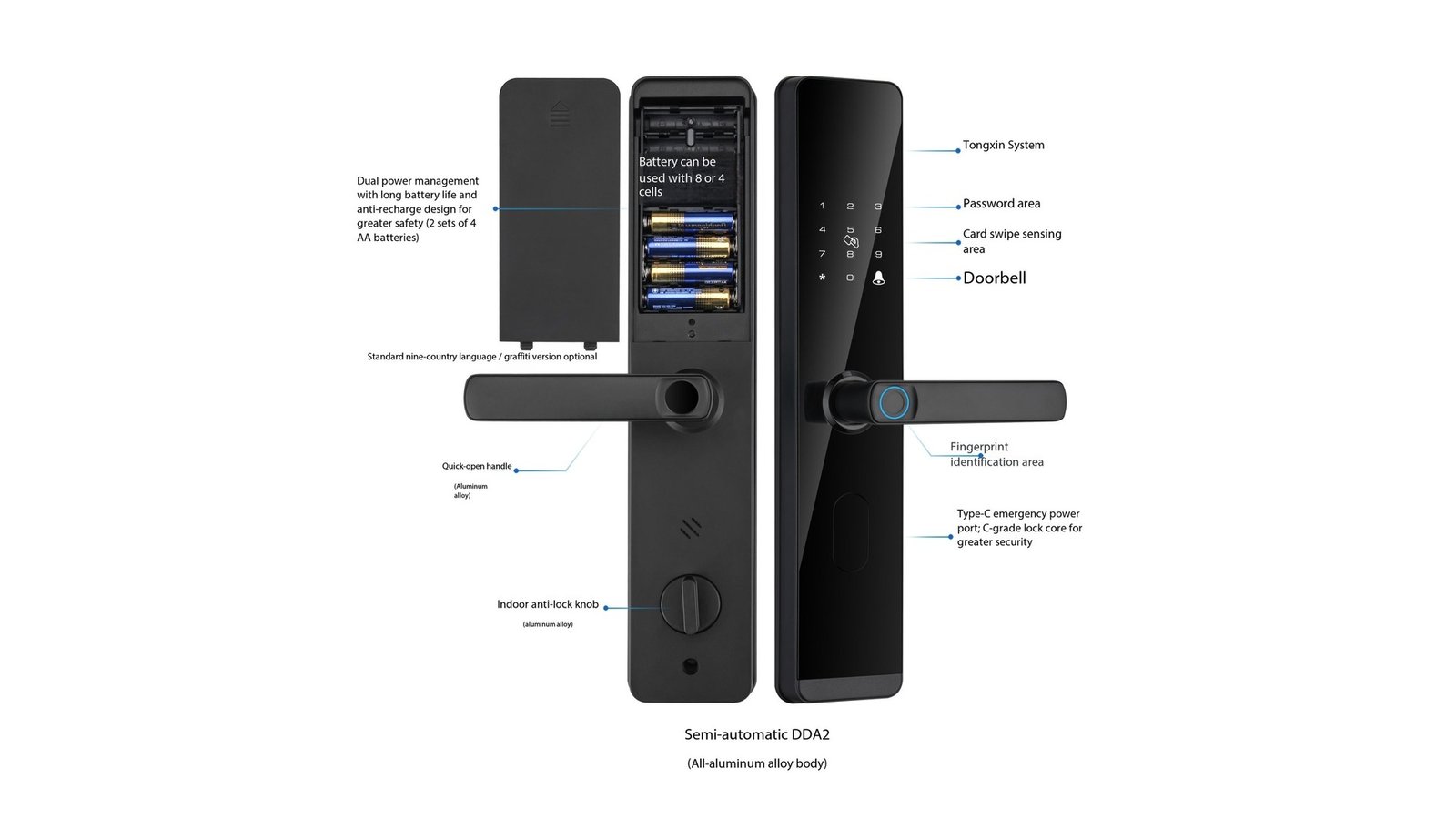
One Motion to Enter: What Semi-Automatic Design Changes
What semi-automatic locks ask of the hand, what one grip changes day to day, and an honest comparison with fully automatic designs.
-
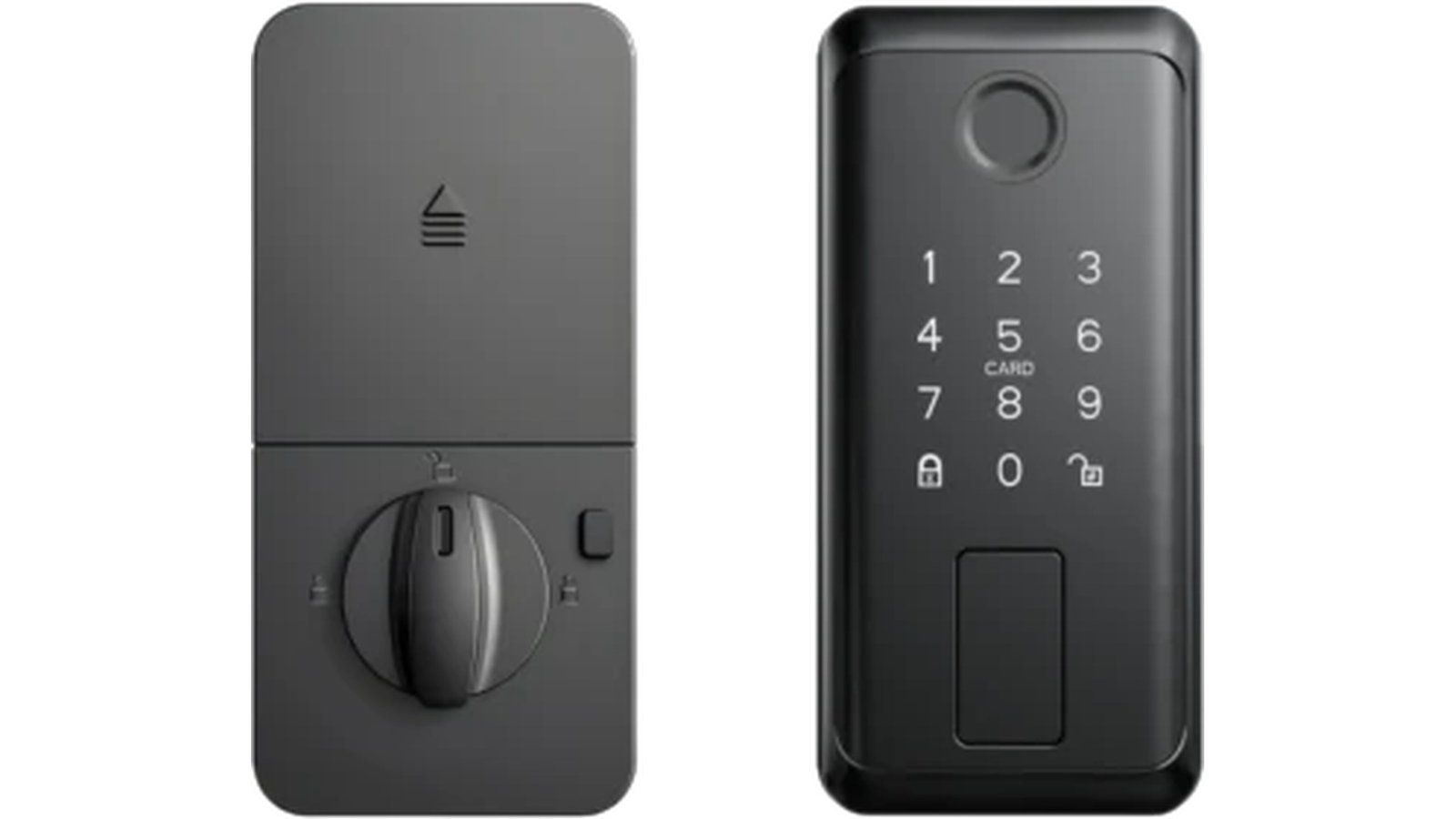
The Mechanical Layer: What Stays When Everything Electronic Fails
Every electronic lock keeps a mechanical promise. What the key override is, why it is the first thing to test, and how…
-

Glass Door Locks: Why They’re a Different Species
Framed glass is its own lock category – mounting logic, hardware families and the questions to settle before a glass-door specification.
-
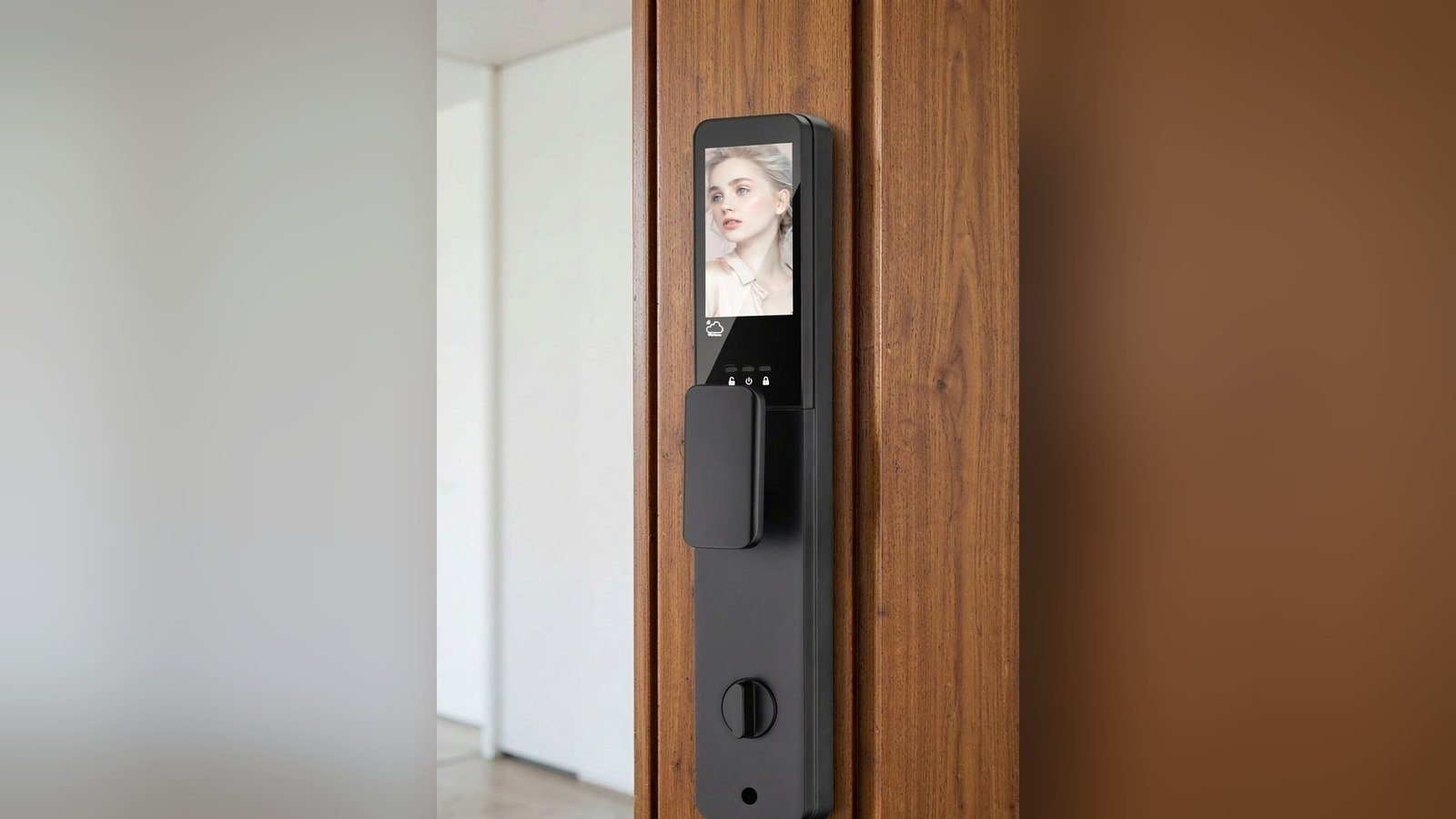
Inside a Mortise Lock: The Mechanism Living Inside the Door
The quiet majority of the world’s doors hides a steel case in the door edge. What a mortise lock is, why aluminum…
-
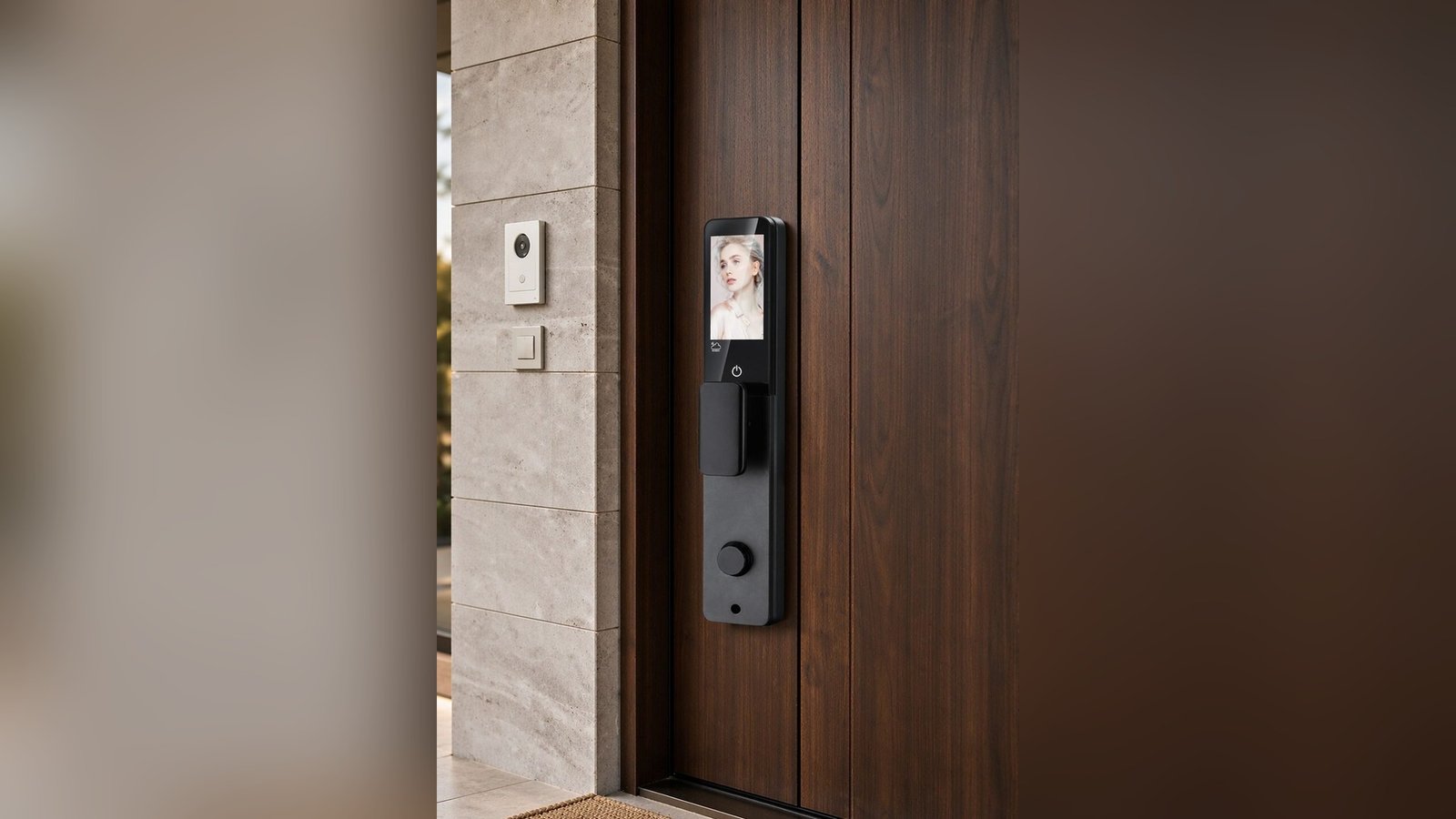
What ‘Auto-Lock’ Should Mean — and How to Choose the Behavior
Three different behaviors hide behind one feature name. How to pick the auto-lock setting your household will actually love.
-
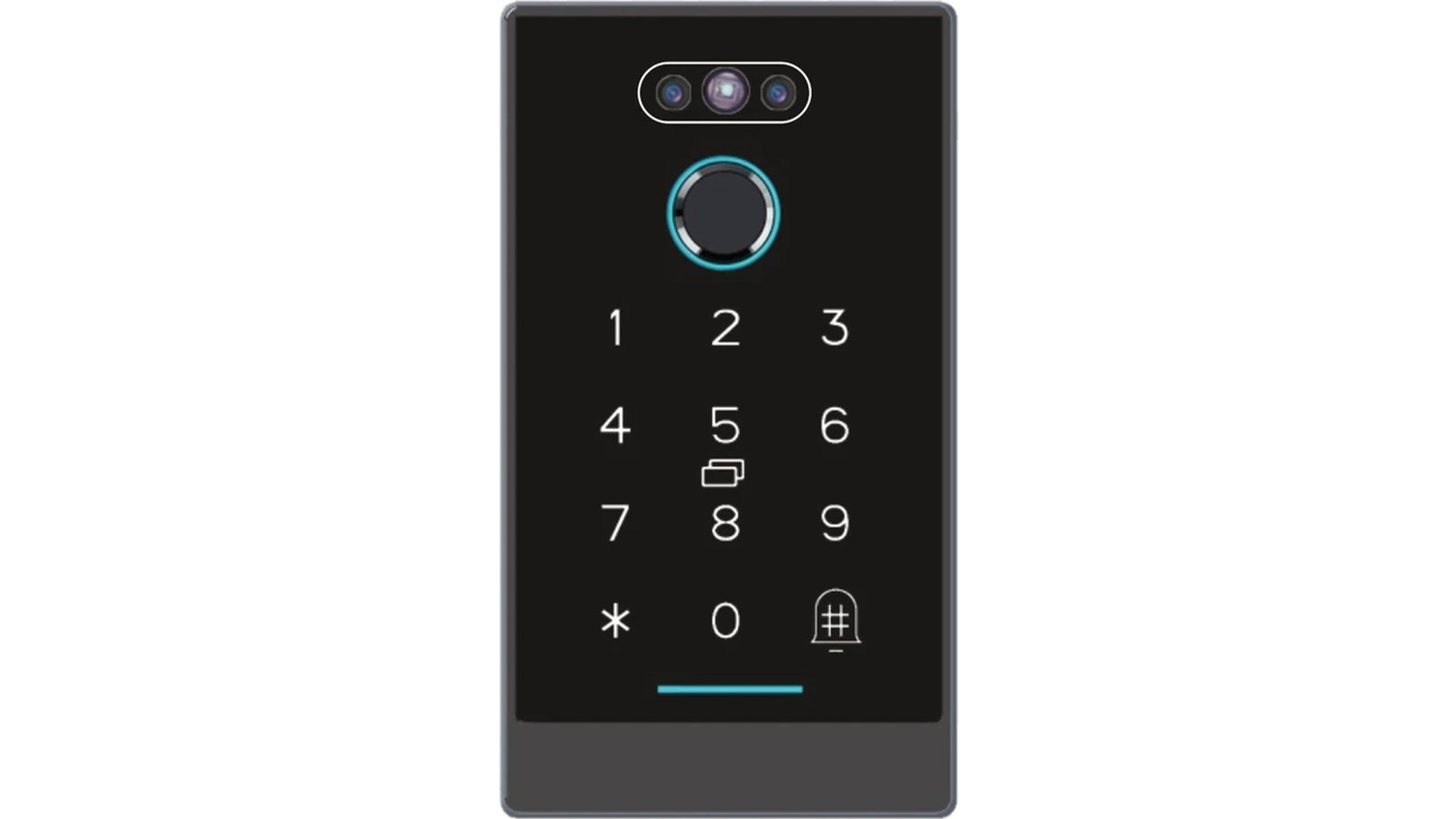
Knob, Lever or Push-Pull: Handle Choices for Real Hands
The most-touched hardware in the home, examined properly: how knob, lever and push-pull mechanics suit different hands, ages and habits.
-
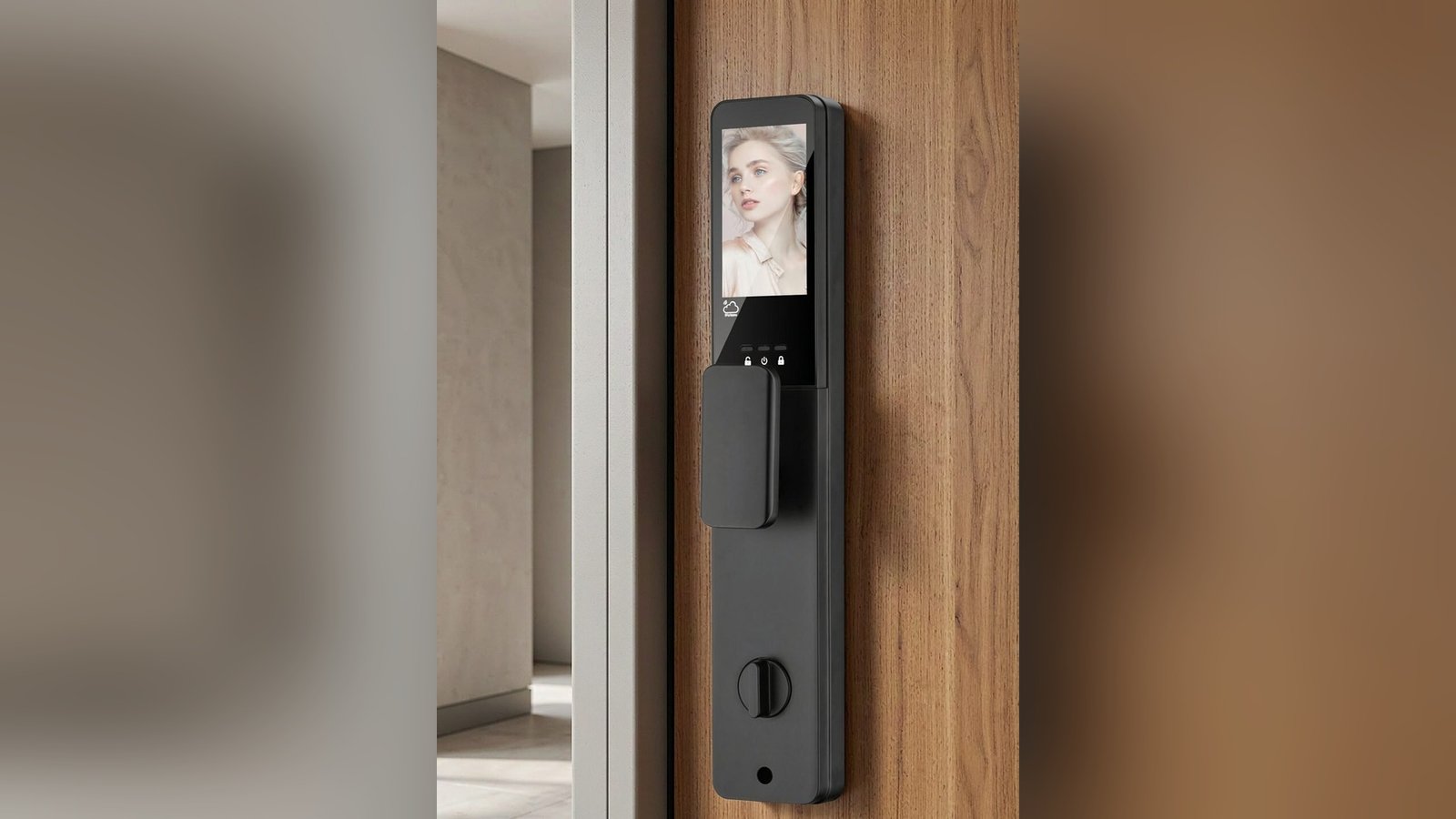
Rain, Heat and Cold: Getting an Entry Ready for the Season
The entrance lives outdoors whether anyone thinks so or not. A 20-minute pre-cold and pre-heat routine that keeps doors, locks and batteries…