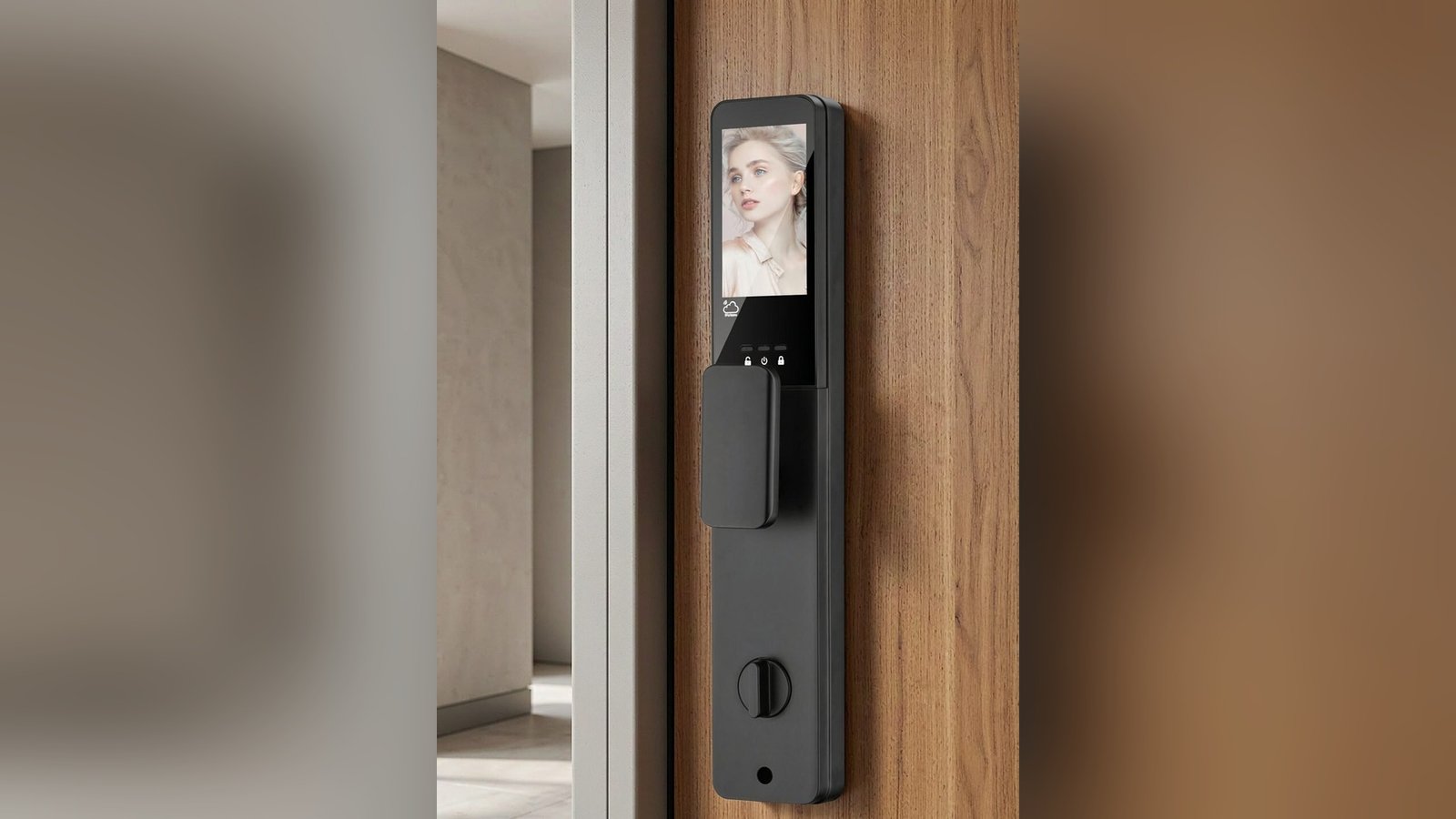
Fall arrives and the front door starts complaining: the key sticks a little, the latch needs a shoulder, the keypad takes two tries in the cold. Spring comes and everything’s fine again. Nobody changed the lock — the season did.
Every entrance lives outdoors, whether or not its owners think of it that way. Heat, humidity, frost and storms write themselves into wood, metal and electronics over months, and the door that gets through a year gracefully is the one whose owners gave it two short maintenance moments — one before the cold, one before the heat.
What each season actually does
The problems are predictable because the mechanisms behind them are simple:
Season by season, at the door
- Summer humidity — wood swells; a door that fit loosely in March begins to bind in July, and the whole frame can shift as moisture moves through it. Locks start feeling “stiff.”
- Heat and sun — finishes take their hardest UV and thermal cycles in summer; surfaces facing the sun age faster than shaded ones, and electronics sit in a warmer box than their owners assume.
- Autumn leaves and debris — the humble stuff: leaf litter and grit collect in door tracks, around thresholds and in strike recesses, and quietly interfere with latching.
- Winter cold — metal contracts, materials stiffen, and mechanical fits tighten. Frost heave pushes thresholds and paths; ice and grit abrade mechanisms; and electronics face their lowest temperatures of the year.
- Rain and storms — driven water finds every weak point: seals, exposed fasteners, the top edge of a lock body, the gap under a door. Most water ingress damage is cumulative, not dramatic.
One documented detail worth knowing as you plan: our DDL1’s working temperature is stated as −25℃ to 70℃. That’s the kind of range that makes winter and summer non-events for the electronics itself — most seasonal problems at a smart door live in the door and frame around the lock, not inside it.
The seasonal maintenance routine — 20 minutes, twice a year
What follows is the short version, divided into the two moments that matter: before cold, and before heat. Each takes about twenty minutes with no special tools.
Before cold season
- Test the mechanical key. The one part of the system that’s easy to ignore for a year and then need in the worst weather. Turn it fully, both directions, smooth or stiff. Keep it somewhere findable — and remember that a backup that’s never been tested is a hope, not a plan.
- Check the battery warning state. Cold depresses battery performance, so autumn is the natural moment to replace batteries on schedule rather than wait for a low warning in January. Our battery guide covers the whole routine, including what to keep as spares.
- Look at the door’s fit. Dry early-winter air shrinks wood — the door may actually loosen. Watch the latch line and note any change, so you know whether the fix is adjustment or nothing at all.
- Clear the threshold and strike. Autumn debris is small but relentless. Brush out the strike recess and threshold so winter isn’t starting on a bed of grit.
Before heat season
- Re-check the swing and latch. Humidity swells wood, and the door that fought last July will fight again. If the latch has started to bind, a strike adjustment now costs minutes; in July it costs a service visit.
- Wipe the seals and glass surfaces. Door seals and the tempered glass panels on modern locks take a clean with a soft cloth; avoid abrasive pads and harsh chemicals, which damage finishes and coatings faster than weather ever does.
- Check the strike plate screws. Sun and thermal movement loosen screws over seasons. A quarter-turn on the door’s latch and hinge hardware is two minutes and prevents drifting alignment.
- Look up and around. Sun exposure is hardest on the top of a lock body and the frame’s upper edge. A quick visual for fading or finish damage tells you how your entrance is aging and whether anything needs attention before winter.
Weather-facing doors: the honest questions
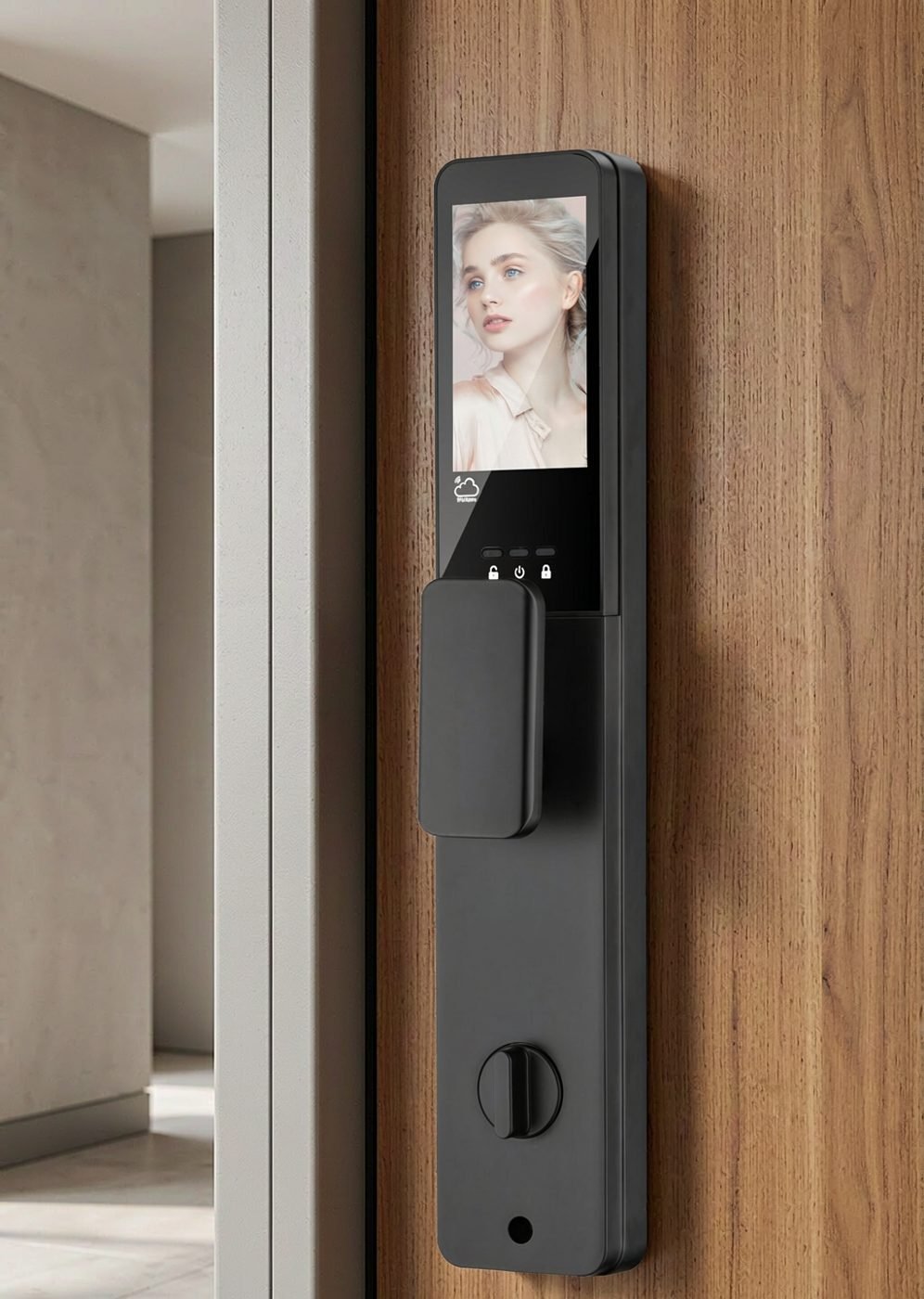
Doors that take rain directly — exposed entrances, garden gates, side doors — deserve a conversation of their own, and it’s one where generic claims don’t help. The useful questions are product-specific:
- How is the lock designed for weather? For example, our LK0161 is documented as designed for aluminum frame doors and narrow-profile entrances where a waterproof lock body is required — a stated design property of the model. For any model, the right answer comes from its documentation, not from adjectives.
- What does the documentation actually state about ratings? This is where we’re deliberately careful: where a model’s documentation doesn’t state an IP rating, we don’t publish one. If weather resistance is central to your project, ask your supplier to point to the documented statement — and treat a vague “fully waterproof” claim without documentation as a warning sign.
- What’s the door doing to protect the lock? An overhang, a storm door, a sheltered recess — the building’s own design is often the best weather protection a lock can get. Assess the door and the lock together.
For teams managing many doors
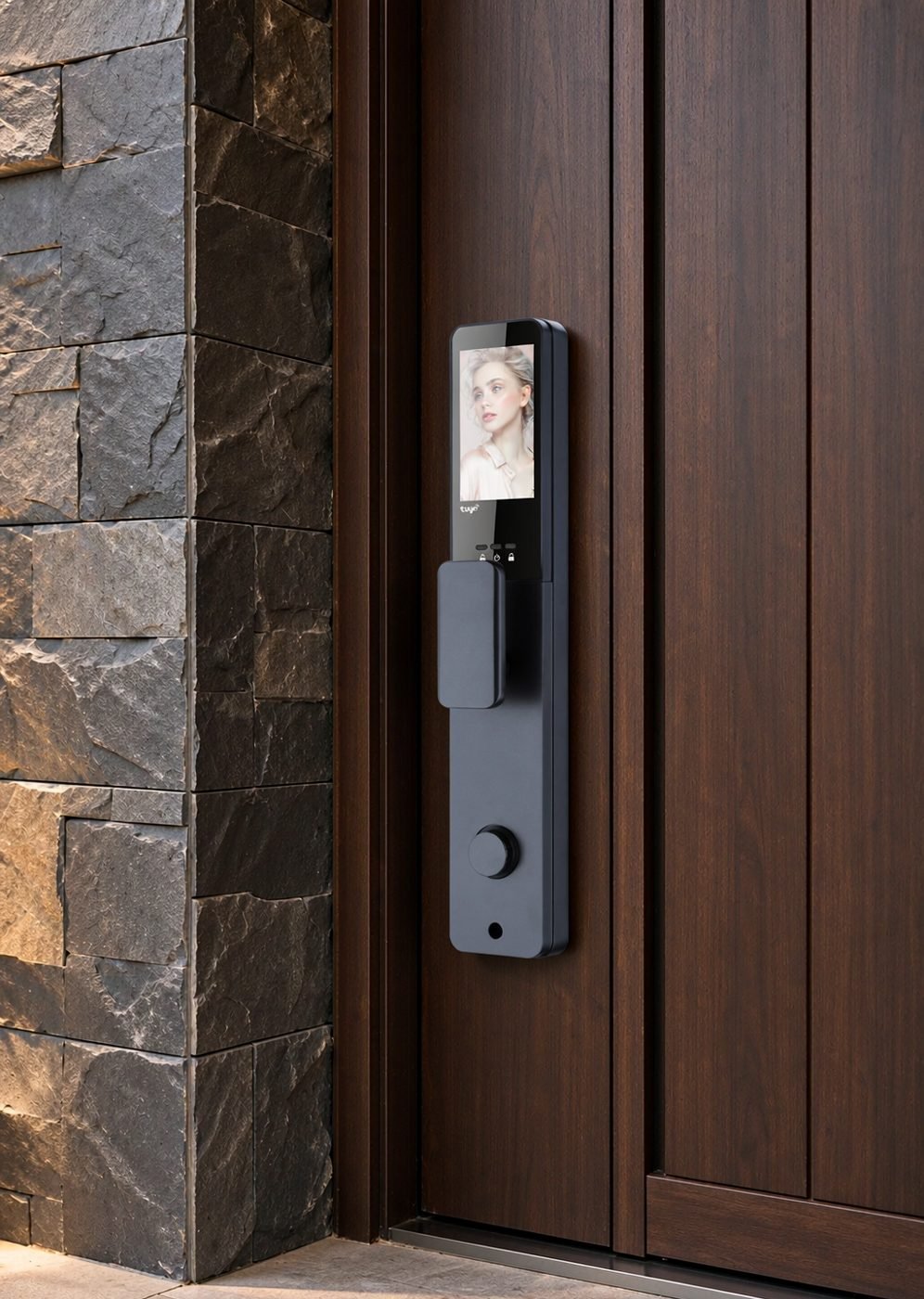
The seasonal routine scales, and projects benefit from treating it as maintenance process rather than individual habit:
- Calendar the two checks. Pre-cold and pre-heat maintenance windows, on the building’s schedule, rather than per-complaint visits.
- Batch the battery replacements. Replacing batteries floor-by-floor on a fixed cycle beats responding to low-battery warnings door by door — same work, half the trips.
- Log seasonal alignment fixes. Doors that need adjustment every year are telling you about the building (drainage, sun exposure, settling). The pattern is worth more than any single repair — and it’s the same data our door fit guide recommends capturing per door.
Common questions
Is it normal for the keypad to be slow in cold weather?
Slower response in genuine cold can come from the battery’s reduced performance at low temperatures — which is why pre-winter battery attention matters. If behaviors change with the temperature and recover with warmer days, you’re likely looking at a seasonal pattern rather than a fault; if a lock ever behaves out of character while the battery is fresh, that’s the moment to check its documentation and talk to the supplier.
Can I wash the door and lock down with a hose?
Don’t. Even on models designed for wet environments, direct pressurized water on the lock body isn’t maintenance — it’s a stress test. A soft damp cloth on surfaces, and avoiding the electronics, is the right ritual. For models with specific cleaning instructions, follow the documentation.
What about doors that face the sea?
Coastal air is the hardest routine any entrance faces — salt aerosol accelerates corrosion and weathering on everything. Two questions matter: how the finish and materials are designed for it (that’s a model-documentation conversation), and whether the building’s siting protects the door. Coastal entrances benefit from checking the seasonal routine quarterly rather than twice a year.
Equipping entrances that face real weather?
Tell us your climate and door types. CaremLock supplies ranges with documented design properties per model — including weather-oriented aluminum door locks — and we’ll answer environmental questions from the documentation, not slogans.
Or review the LK0161 aluminum door model and contact the team.