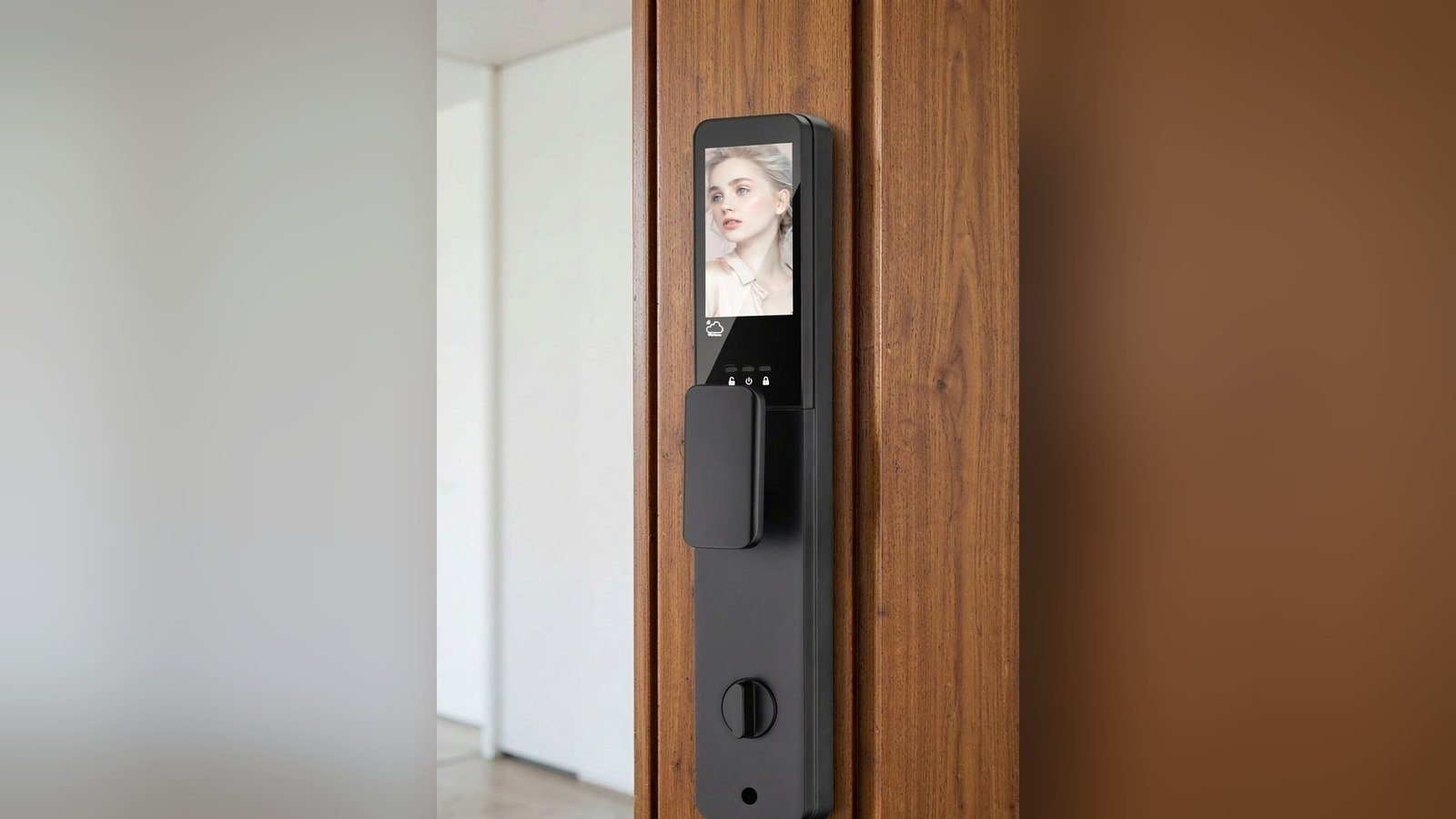
Open a modern residential door and — depending on which continent the door lives on — you’ll usually find one of two different solutions living inside it. In North America, a cylindrical hole through the door face with a bolt assembly behind it. In much of Europe, Asia and the aluminum-door world, a rectangular steel body tucked into the door’s edge, with everything — latch, bolt, often the handle return — machined into one case.
That second solution is the mortise lock, and it’s the quiet majority of the world’s doors. Most smart-lock content never opens one up. This article does: what a mortise body is, why doors standardized on it, and what changes when the smart version moves in.
What “mortise” actually means here
The word comes from carpentry — a mortise is a rectangular pocket cut into wood to receive another piece. A mortise lock takes that idea literally: a pocket (the mortise) is cut into the door’s edge, and the lock case slides into it. The case holds the whole mechanism: spring latch, deadbolt, and often the connections for both sides of the handle.
Compare the two architectures side by side:
- Bored / cylindrical locks — a round hole through each face of the door, plus a smaller hole in the edge for the latch. The mechanism is modular: latch assembly here, knob or lever set there, cylinder for the key. Simple to fit, easy to swap for a deadbolt-style smart lock.
- Mortise locks — one rectangular cavity in the edge, one integrated body inside it. The body carries everything; the door’s face finish is just plates. More demanding to install, but structurally tidier once in — the bolt isn’t a separate visitor to the door; it’s part of the case.
The distinguishing features of a mortise body are its case size and hole pattern — the geometry of the pocket and where the handle, cylinder and fixing points sit. The common standards you’ll encounter (sizes like the 3585 pattern in the aluminum-door world, or the 85/92-mm handle-center conventions in European profiles) exist because door manufacturers and hardware makers needed a shared language. Our LK0161 aluminum door lock, for instance, is built around a standard 3585 mortise — one example of a smart lock designed to live inside an existing door tradition rather than fight it.
Why aluminum (and much of the world) chose mortise
Three forces pushed doors toward the mortise architecture, and all three are practical:
The case for the case
- Aluminum frames demand it. A narrow aluminum profile doesn’t offer the depth for a through-bore mechanism, and it doesn’t want holes in its structural faces. A mortise body sits in the frame’s own width — the geometry simply works.
- Security density. Putting latch, deadbolt and often an additional locking point in one steel case means one high-strength assembly doing the work, rather than several small fittings spread across the door.
- Multi-point heritage. In markets that evolved toward multi-point locking (common on European and many Asian doors), the gearbox that drives all the locking points is a mortise-style case — the architecture scaled up rather than being replaced.
What changes when the lock gets smart
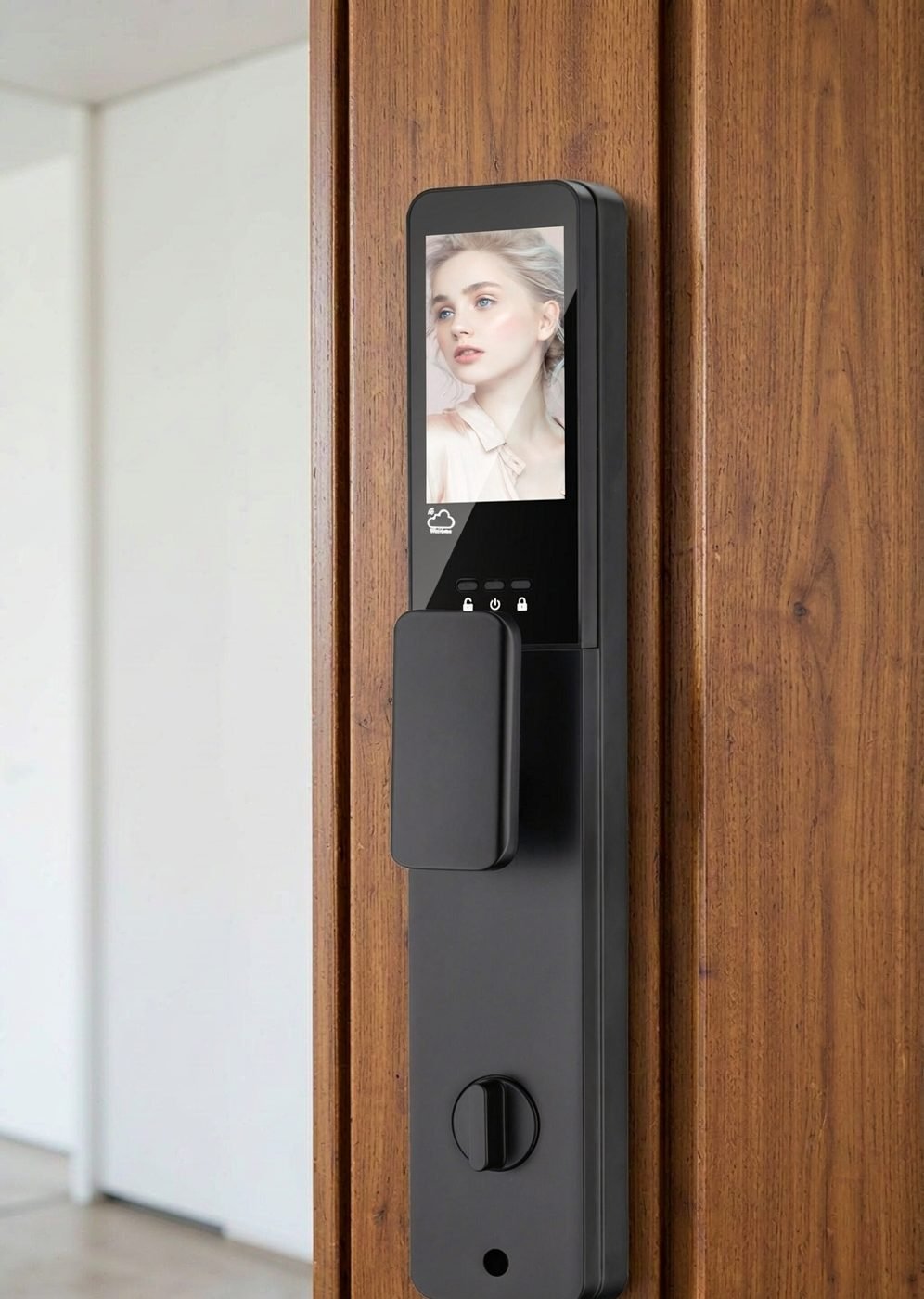
The arrival of electronics didn’t change the case architecture; it changed what the case connects to. On a smart mortise lock, the same body — latch, bolt, handle connections — sits inside the door edge, while the electronics (reader, keypad, display) live on the face plates outside and inside. The door’s visual shell stays slim; the intelligence is layered onto it.
Practically, that means the retrofit conversation in mortise markets looks different from the North American one:
- The question isn’t “does the door have a bore?” — it’s “what case is inside?” The lock case’s standard (its size and hole pattern) determines which smart locks are candidates. This is why fit guides in mortise markets open with case standards, not door thickness alone.
- Handedness and handle geometry come into play. Because the mortise body connects the handles, the lock’s relationship with the lever is physical, not decorative — the exit mechanism on many smart mortise designs is a push-bar or a handle return built into the assembly. Our fully mechanical-only check: the documentation for a mortise-family model will describe the standard it’s built to.
- The failure modes are mechanical before electronic. A mortise installation that fights its pocket — bolt rubbing, latch misaligned after seasonal door movement — shows up as an “unreliable smart lock” while the electronics are innocent. We wrote about that separation test in the door alignment piece; it matters doubly on mortise doors, where the case is part of the structure.
For buyers and distributors: the mortise question in the catalog
For anyone selling across markets, the mortise/bored distinction is one of the first things to map, because it decides the product family — not the feature set:
- Markets dominated by aluminum and steel entrances (large parts of Asia, the Middle East, coastal Europe) need mortise-family smart locks for the aluminum door segment. Our approach, reflected across the range, treats aluminum door locks — with their documented mortise standards — as their own line, distinct from the deadbolt products built for wood doors.
- The case standard is the compatibility key. When a distributor asks “will this lock fit our market’s doors?”, the useful first answer is the case standard its documentation states. A model documented around one standard serves that door tradition cleanly; bending it to another is a site-visit problem, not a specification shortcut.
- Interior door projects are a natural second market. Room doors in hotels, serviced apartments and offices frequently use mortise-style bodies too, which is why our room-door range and its applications in hospitality settings (see the DDZ17 model) follow the same architecture-first logic.

Common questions
Can a smart deadbolt replace a mortise lock?
Rarely, and only when the door’s construction allows a different preparation entirely — which mortise-cut doors usually don’t. The honest answer in mortise markets is to select within the mortise family. A deadbolt’s fit guide (thickness, backset) describes a different door anatomy; our general door compatibility guide walks through the five measurements that reveal which anatomy you actually have.
Why do mortise locks cost more?
The mechanism is a complete precision assembly — a case containing latch, bolt and usually multiple connection points — versus a set of separate smaller parts. There’s more engineering and machining in the object, and installation demands a properly cut pocket rather than drilled holes. The premium is architecture, not marketing.
Is a mortise lock harder to retrofit with electronics?
Not for the architecture’s own sake — smart mortise locks are designed to drop into existing standard pockets (our aluminum range’s standard 3585 mortise is a working example of exactly this). The retrofit discipline is the same as anywhere: confirm the standard against your door before ordering, measure rather than assume, and treat the survey as part of the project, which is why it gets its own article in our retrofit guide.
Serving mortise-lock markets or aluminum-door projects?
Tell us your market and the door standards your buyers specify. CaremLock supplies documented aluminum door and room-door ranges built around standard mortise geometries — with the fit statements your quotations need.
Or explore the aluminum door range and contact the team.