What actually happens when the electronics on a door lock stop responding? The panel is dark, the app shows nothing useful, and the person outside is not interested in a diagnostic conversation. Every smart lock worth buying has an answer to that moment, and the answer is mechanical.
The smart lock mechanical key override is the least discussed part of a modern lock and the first thing a careful buyer should test. It is a small promise buried inside the product: when everything electronic is unavailable, a key still turns, and the door still opens.
What a smart lock mechanical key override actually is
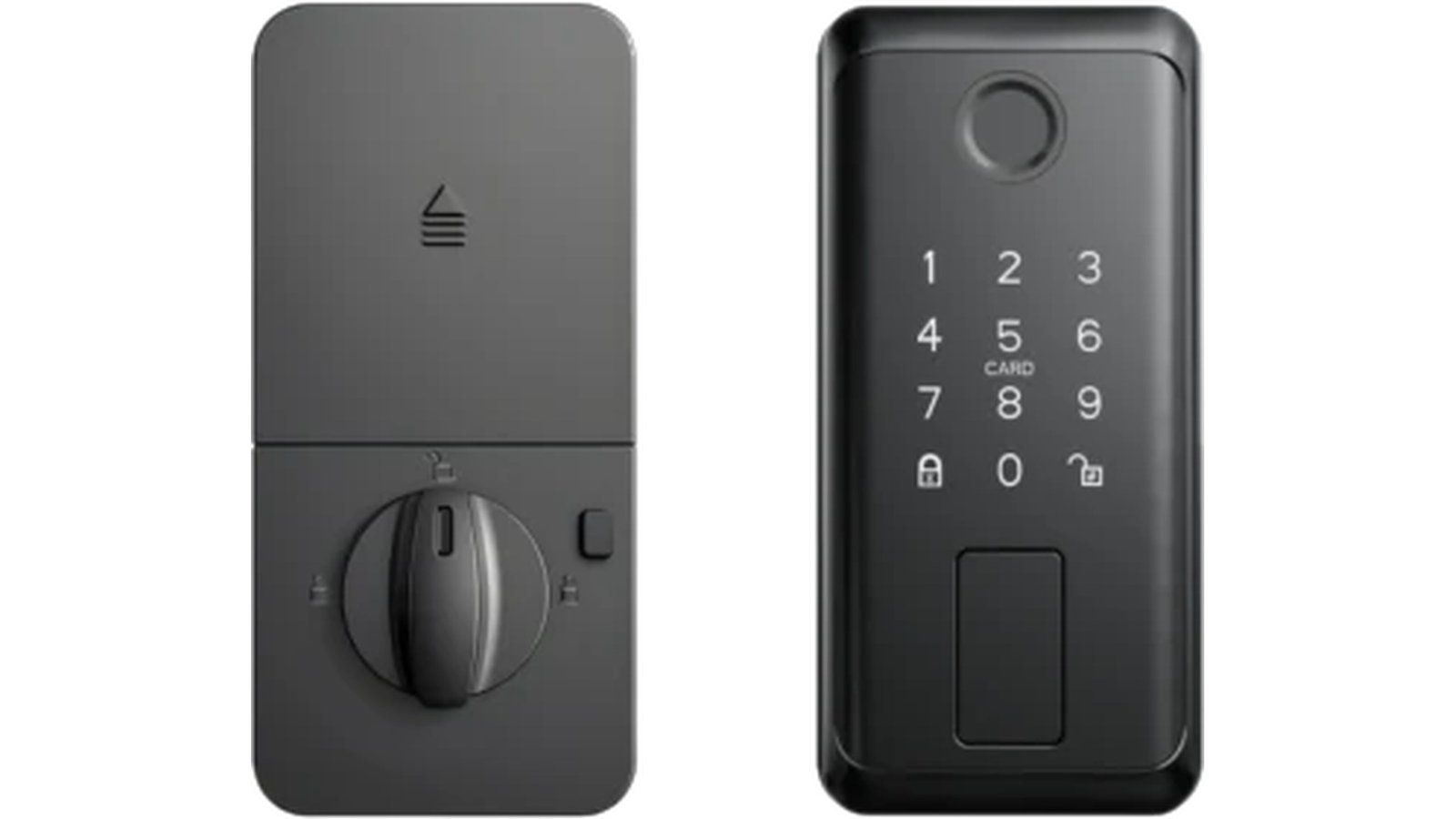
An override is a self-contained mechanical path through the lock. Typically a keyway sits behind a small cover on the exterior panel, or at the lower edge of the body where a handle hides it. Turning the key drives a cam that moves the latch or bolt directly — the motor, the reader, the keypad and the firmware are all bypassed, because they are not asked to do anything.
The distinction matters: the electronics decide who gets in and add convenience; the mechanical layer guarantees someone can. Our deadbolt models, DS01 and DS05, document the mechanical key as one of four entry methods alongside fingerprint, password and IC card. The DDL1 fully automatic model carries the same principle in a bigger feature set — palm vein, face, fingerprint, password, IC card and app access, with a key included in the documented list of seven methods.

Test the mechanical layer first, not last
Installers learn this the hard way: the easiest time to discover that a key does not turn smoothly is before the truck leaves, not during a holiday weekend. The mechanical layer deserves the same commissioning as any electronic feature:
- Turn the key at handover. Both directions, door open and door closed, before anyone signs anything.
- Decide where the key lives. One accessible copy for the household — a known drawer, a key safe, a trusted neighbor — and the rule written into the access register.
- Cycle it occasionally. A cylinder that sits untouched for a year can stiffen; a quarterly turn costs seconds and keeps the escape route alive.
- Be careful with lubricants. Precision mechanisms dislike improvised remedies; if a key feels rough, consult the product documentation rather than reaching for the nearest spray can.
The failures the key answers
The override exists for a short list of realistic scenarios:
- Depleted batteries. DS01 and DS05 run on 6 V from four AA batteries — ordinary, replaceable, available everywhere. The DDL1 uses a 4200mAh lithium battery with Type-C fast charging. Either way, power eventually runs out, and the key does not care.
- An electronic fault. A reader, keypad or motor can fail independently of the mechanics. The key path sidesteps all of them.
- Forgotten credentials at the wrong moment. No code, no phone, no card — and one key in a known place closes the gap.
- Handover and service access. Contractors, movers and property managers often need a route that does not involve app administration at all.
One limit belongs here: the override bypasses electronics, not physics. If the door itself is swollen, misaligned or obstructed, no key will make it open comfortably — that is a maintenance issue, and alignment is where it starts.
What the override is not
Three misreadings cause trouble. The first is treating the key as a master credential for everyone: the moment multiple people hold copies, the lock’s clean user list stops matching reality. The second is treating the cylinder as maintenance-free; it is the one part of the lock that spends years waiting for a single bad day, and it deserves its occasional test. The third is expecting the key to cover poor battery habits — a depleted lock still locks you out of the conveniences you paid for, and the routine for keeping power healthy is worth reading in our guide to what happens when a smart lock battery runs low.
Handing over the mechanical layer in projects
On a project, the key override is a policy question before it is a hardware question. A handover checklist that satisfies an owner, a facility team and an insurer usually covers five items:
The mechanical handover list
- Count the keys delivered with each lock and record the number against the unit list.
- Name the key holder for every building or unit — the person, not the department.
- Storage rule: where keys live on site, and who can reach them after hours.
- Test every key in its own lock before acceptance, including locks that will rarely be used.
- Document the model’s override method in the handover file, so the first person who needs it at 2 a.m. is not learning from scratch.
If a tenant loses the mechanical key, the recovery path is administrative rather than electronic — a reminder that the key is a managed asset, not an afterthought. When that happens mid-project, the checklist in our article on access recovery keeps the response calm.
Where the mechanical layer sits in our range
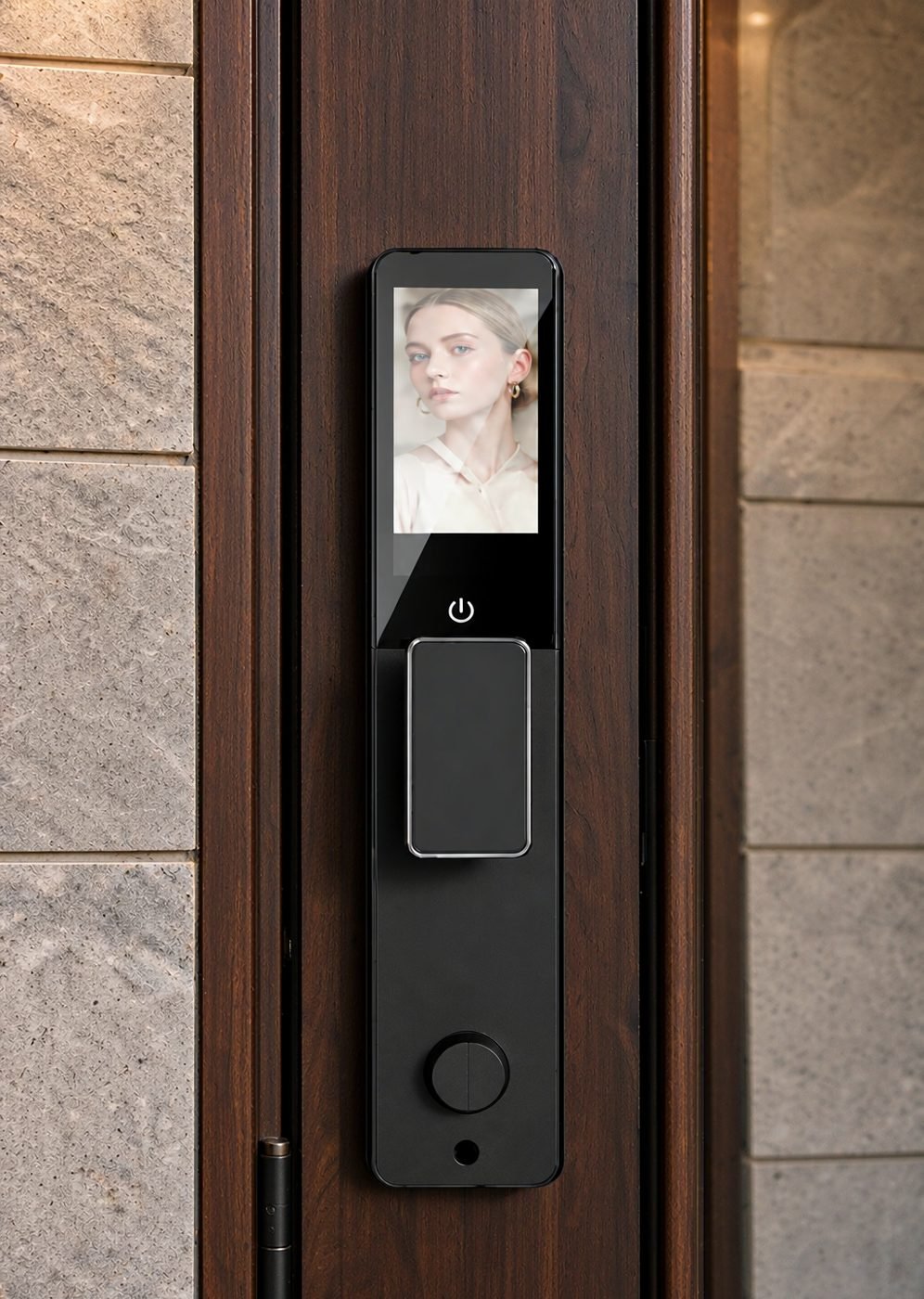
The pattern across our catalog is deliberately consistent. The DS05 and DS01 deadbolt models pair mechanical key access with documented capacity for 100 fingerprints, 100 passwords and 100 IC cards — a small houseful of convenience on top of one dependable key. The DDL1 adds palm vein, face recognition, a 4.5-inch IPS screen and a 200W camera to the same foundation, with a mechanical key documented among its seven entry methods.
Read together, that says something simple about how the category should be evaluated: judge the electronics by what they add, but judge the lock by what remains when they stop. Any model worth specifying will answer that question in its own documentation — and the answer should be testable within the first five minutes of an install. If you are unpacking a new unit, the pieces you should find are listed in our guide to smart lock box contents, key included.
Common questions
Does a smart lock still work as a normal lock?
Mechanically, yes — that is the purpose of the override. The key drives the same bolt the motor drives, without electrical assistance. What changes is the convenience layer: codes, fingerprints and remote access depend on electronics and power, while the key does not.
What if both the battery is dead and the key is missing?
Then the door is a mechanical problem with an administrative cause, and the answer is the same as for any lost key: a locksmith, the owner or the facility team, and a lesson recorded in the access register. The design goal is simple — that scenario should never require breaking anything.
Should every family member carry a mechanical key?
Usually not; one accessible household copy plus a known location is easier to manage than five keys in five bags. The right number is the smallest one that guarantees a key is reachable when the door needs it — and for projects, the smallest number that satisfies the owner’s key-control policy.
Buying locks for projects that cannot risk a lockout?
CaremLock supplies deadbolt and fully automatic ranges with documented mechanical key access alongside their electronic methods. Tell us the project type — we will point you to the models and the handover details your installers need.
Or explore the deadbolt range and contact the team.