Door handles are the most-touched hardware in a home and the least examined purchase in it. People spend weekends choosing paint sheens and argue about faucets, then take whatever handle the door came with — or worse, choose one for its photograph. The handle, meanwhile, spends the next decade meeting every hand in the household, including the ones with the least grip strength and the smallest palms.
This is a practical comparison of the three main handle families — knob, lever, and push-pull — read through the hands that will actually use them, not through a style catalogue.
The three families, mechanically
| How it works | What it asks of a hand | |
|---|---|---|
| Knob | Grip and rotate the spherical head | A closed pinch grip plus wrist rotation — the most demanding motion of the three |
| Lever | Press down or lift the bar | Open hand or loose fist; no wrist rotation; works with a lowered palm |
| Push-pull | Push to release, pull the door (or vice versa, per design) | A body-weight motion; minimal hand articulation — the most accessible of the three |
The mechanism differences explain nearly every practical difference downstream, including which handles suit which households, which survive decades of use, and which regional construction traditions favor them.
How the choice plays out per hand
Read the families against the people who will use the handle daily:
Matching handle to hand
- For children — a lever is easier to reach and operate than a knob, and it forgives being used while carrying a school bag. A push-pull door is better still, because the whole body does the work; this matters at doors children will use while their hands are full.
- For older users or anyone with reduced grip strength — the knob is the wrong choice, and the mainstream of accessible-design guidance agrees: rotational grip is the first casualty of arthritis, and levers and push-pull mechanisms work within a fraction of the force. Handles on the home’s main entries should follow this principle even if interior doors keep knobs.
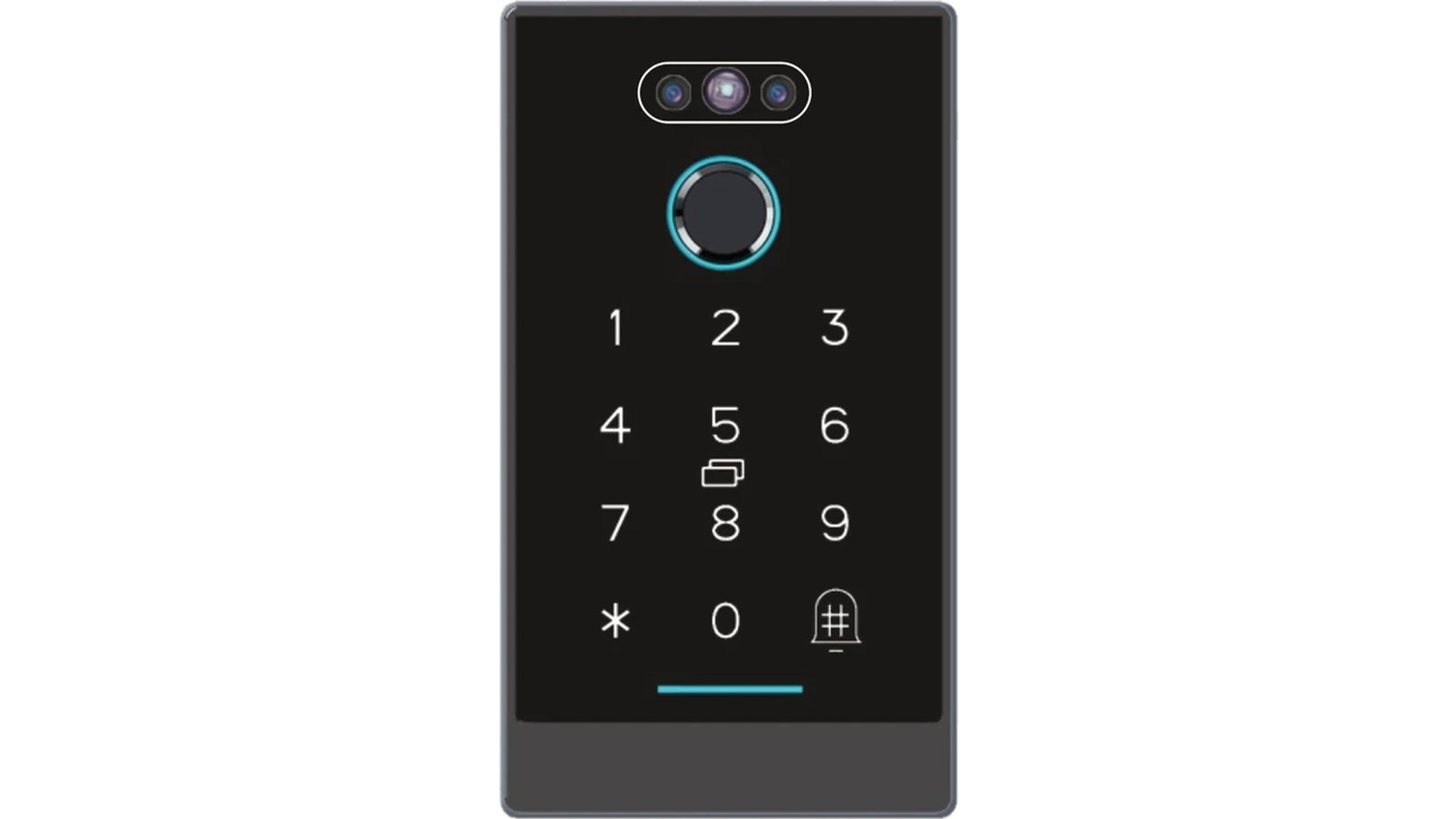
- For anyone regularly carrying things — the push-pull motion wins outright. It’s the reason this style dominates on modern smart locks: our DDA2, for example, is named for its one-grip grip-and-pull motion — a design aimed at exactly this “arrive and enter in one movement” experience.
The summary any household should apply: knobs are a habit inherited from an era of lighter use; levers and push-pull are the better defaults everywhere a hand might be full, weak, small, or all three at different times of the same day.
Knobs vs the rest: the rest of the picture
Three more considerations sit outside pure ergonomics:
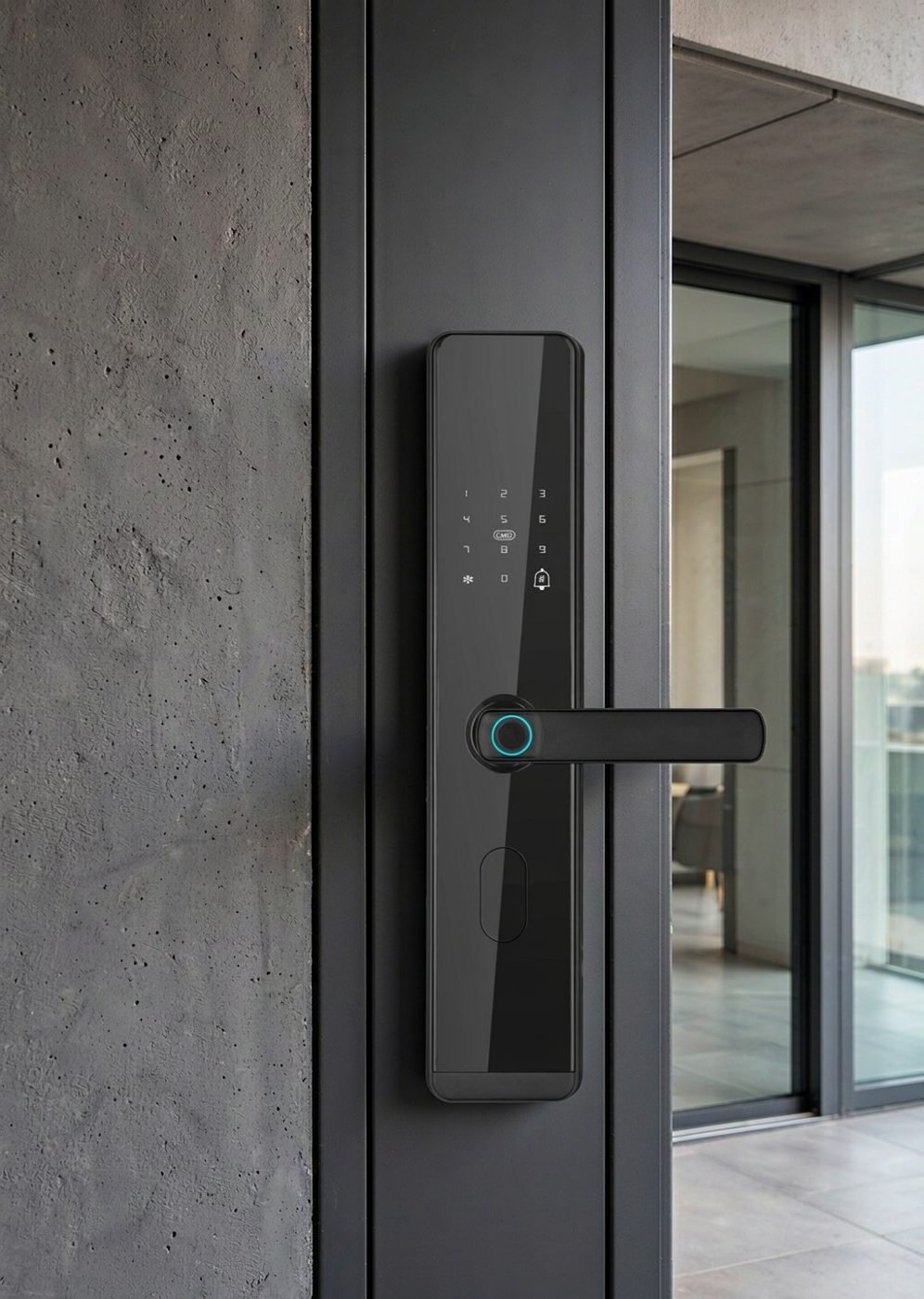
- Finishes and wear. A well-finished handle in a matte black or brushed tone hides handling marks better than high-gloss alternatives; the same finish logic applies to the lock body beside it. Handles and locks should be ordered as one finish decision — mixing warm and cool undertones on the same door is the most common visual misstep we see on multi-door projects.
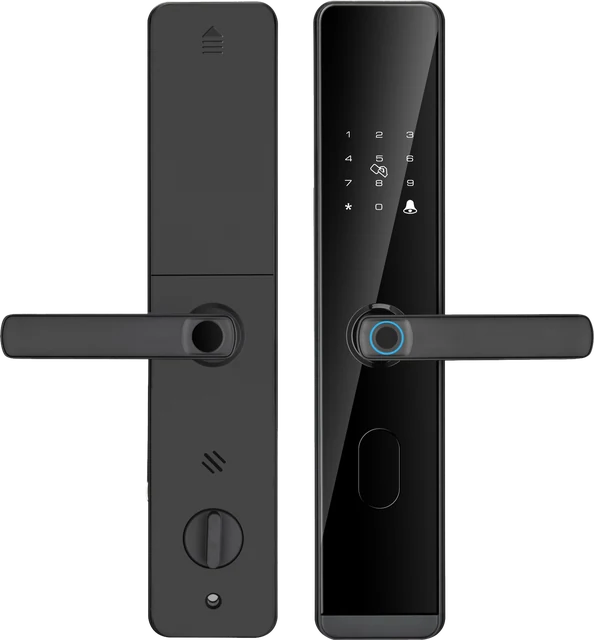
- Handle + lock as a pair. On smart-lock doors the handle interacts with the lock’s state — a locked door with a free-spinning lever still has to communicate “locked,” and a push-pull design must integrate the release cleanly. This is a reason to prefer handle systems designed alongside their lock, rather than assembling them from unrelated parts.
- Door weight and swing. Heavy doors, closer mechanisms and outswing construction all change what a handle must physically do. A handle chosen purely on looks can be functionally wrong for a heavier entry door — the kind of thing the installer’s pre-visit check exists to catch.
What changes when the lock is smart
Adding electronics to a door changes the handle’s job in subtle ways worth knowing before buying a combined unit:
- The handle stays mechanical on most designs. The smart part (reader, keypad, motor) sits above or around the handle; the lever or push-pull still performs the physical final action. This is why handle ergonomics keep mattering even on high-tech doors — the finger reads the sensor, but the hand opens the door.
- Free-spin and lock state. Some locks let the handle spin or depress without opening when locked; on integrated designs like ours the lock body and handle are engineered together, so the entry sequence — authenticate, then one motion — stays consistent across access methods.
- Finish coordination. A smart lock brings its own finishes and surface treatments; choosing them alongside the handle avoids the two-tone mismatch described above. Documented finish options per model, like the orange-bronze LK0161 offers, make this a checkable decision instead of a hope.
For installers and projects: specifying handles that last
On multi-door projects the handle conversation belongs with the lock specification, because the two fail together: a lever that loosens is blamed on the lock; a lock that’s stiff is blamed on the handle. Three specification habits prevent this:
- Standardize the hand motion per building. Pick one handle family (most projects choose lever or push-pull) and carry it across unit doors; habit built in one apartment should transfer to the next. Accessible-entry requirements in many markets effectively decide this anyway.
- Check against door weight and closer pressure. A handle’s rated duty should exceed what the door and its closer will demand over years of use, not just at handover.
- Order finish as a batch decision. Across a floor or a block, a single finish family keeps replacement parts interchangeable and the corridors visually coherent.
The door-fit fundamentals behind all of this — thickness, preparation, alignment — live in our door compatibility guide, and the installation-day version in what installers want confirmed.
Common questions
Are levers less secure than knobs?
The old concern — slipping a tool under a lever — is about the latch design and door security more than the handle shape, and it’s addressed by the lock body, not the head. For a modern smart lock door, the electronic access control and the lock mechanism define security; choose the handle on ergonomics and finish, which is what it’s actually for.
Can I retrofit a lever onto a door that has a knob?
Often yes — handle replacement is one of the most common door upgrades, and it’s a straightforward swap on standard preparations. The constraint is the door’s existing bore and the lock/handle compatibility; for a smart-lock upgrade happening at the same time, choose an integrated model rather than negotiating between two product systems.
What handle suits elderly family members best?
Push-pull first, lever second, knob last — that order follows grip mechanics, and it’s stable advice. Pair the handle with an access method that matches their hands, which we covered in entry for older family members.
Sourcing handles and locks as one system?
CaremLock supplies integrated smart locks with push-pull and lever designs across residential, aluminum, glass and room-door ranges — finishes and mechanisms documented per model. Tell us your doors.
Or review the DDA2 one-grip model and contact the team.