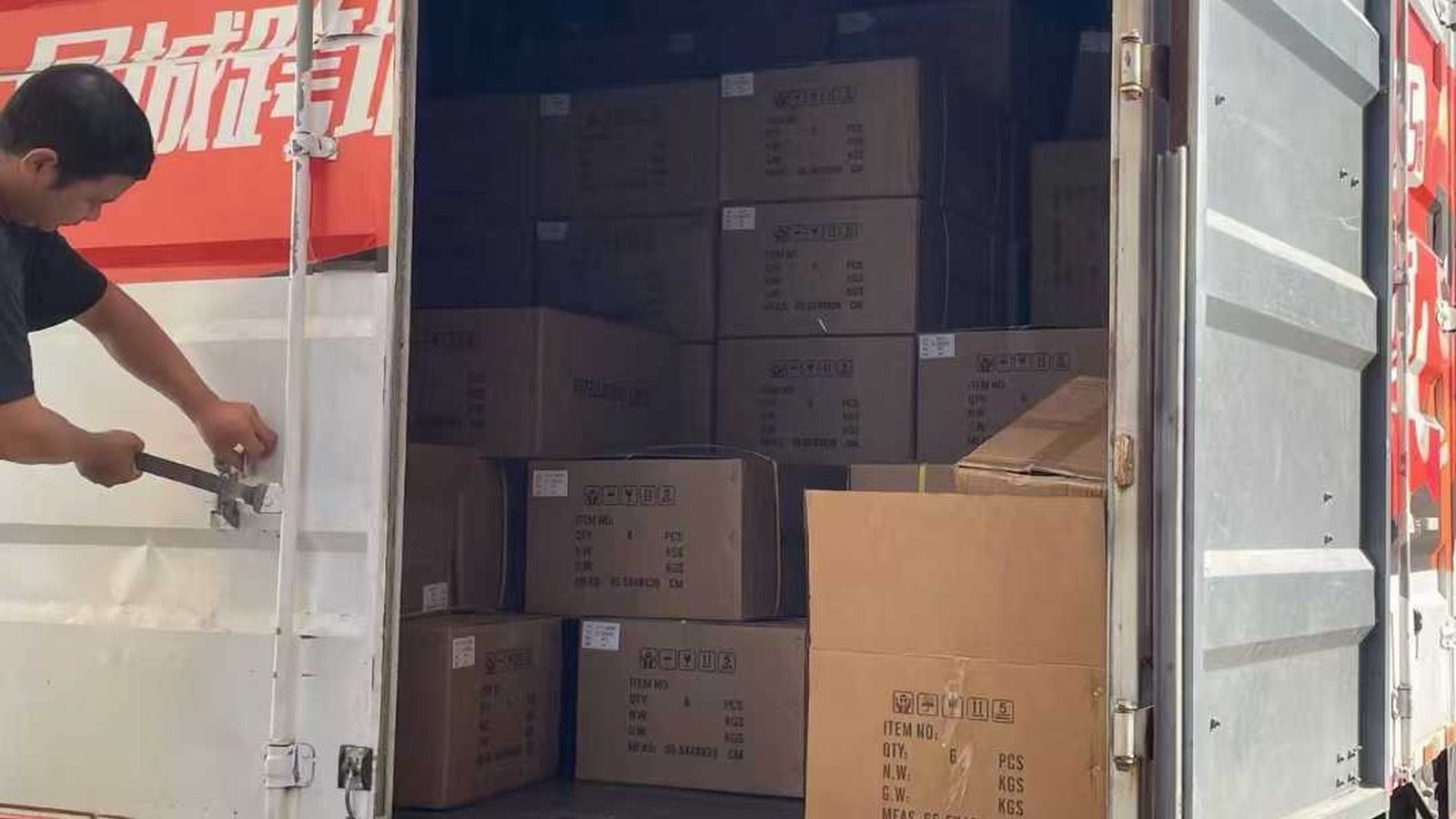
On a typical project, the locks arrive weeks before they’re installed. The container clears, the pallets go into a corner of the site office or a spare unit, and then they sit — waiting on painters, floor layers, door alignment, scaffold removal, or simply the schedule of the crew that will fit them.
That waiting period is where a disturbing share of “factory problems” actually begin. A lock that leaves the production line perfect can arrive at its installation day scratched, damp or one accessory bag short — without anything going wrong at the factory or the shipping line. This article is the storage chapter between those two events: how hardware stays install-ready while it waits.
What the waiting period does to hardware
Four forces work on stored hardware, and none of them announce themselves:
- Humidity. A site office without climate control, a garage, a storage unit — each brings its own moisture profile. Cardboard softens, metal components develop surface marks, and electronics boxed for weeks sit in whatever the local weather dictates.
- Stack pressure. Locks are dense. A neat stack of cartons on the floor becomes, after a few weeks, the bottom carton’s problem — especially once a few boxes of tiles or paint get stacked on top because “there was space.”
- Handling drift. Partial withdrawals — “we needed four units for that door test” — scatter cartons across the site. Cartons return opened, accessory bags get separated from their units, and nobody re-marks the stack.
- Theft, quietly. Small, valuable, portable boxes disappear from unsecured spaces. The worst part is the delay: you usually discover it on installation day.
Storing locks so they stay install-ready
The storage disciplines that matter
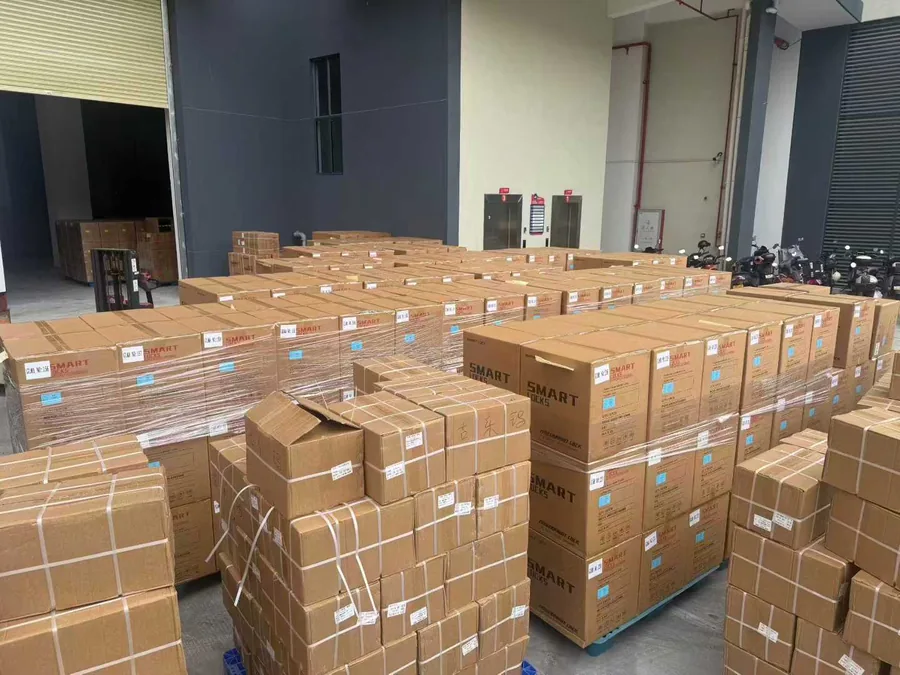
- 1. Keep the original packaging intact. Every unit stays in its retail box; every retail box stays in its master carton. The packaging is engineered to hold the product through worse journeys than your storage area — use it. This also means: don’t pool accessory bags “for convenience” — accessories belong with their unit precisely so installation day doesn’t become a scavenger hunt.
- 2. Respect the stack. Master cartons carry their own weight figures for a reason — our DS01 carton documents 18.4 kg across 20 pieces, DS05 17.0 kg. Stack cartons within the packaging’s intent (usually no more than the printed stack limit, and never with building materials added on top). The floor carton bears what you’re adding.
- 3. Control moisture. A dry, ventilated space — off the floor where possible (pallets, shelves, decking) — is the difference between a normal storage period and a slow damage process. If the space’s humidity worries you, keep cartons off concrete and keep the stack covered; between the two, most sites are fine.
- 4. Fix the location and the count. One designated storage spot, one documented count — the packing list’s carton quantity becomes the shelf count. Every withdrawal is logged; every return is complete. This single discipline catches handling drift and theft while both are still small.
- 5. Secure the space. Locks that are going onto doors are, by nature, the most valuable small items on many sites. A locking site container or a secured room for high-value hardware is proportional to the order’s value — and insurance conversations go better with a locked door and a written count.
- 6. Open one box before installation week, not during it. A single unit check — contents against the documented accessory list, visual condition, a battery check if shipped with one — at least a week ahead. Any issue still has time to be a logistics conversation instead of an installation-day crisis.
The single-units problem
Multi-door projects accumulate a specific disorder: opened cartons. A unit gets pulled for a color check; another for a fit test; a third because the foreman wanted to show a client. Three weeks later the stack contains 60 sealed cartons, 8 opened ones, and a pile of loose manuals.
The fix is procedural, not heroic: designate one or two “working units” for on-site demonstration and testing, stored separately with their own count, and keep every other carton sealed until the day its door needs it. The working units absorb all the shuffle; the stock stays clean. It’s the same sampling principle receiving teams use — a defined sample, a protected whole.
The five-minute install-morning check: before the crew starts, confirm three things — the count still equals the schedule’s door count, the first carton’s contents match the accessory list, and the storage space is dry after any recent weather. Five minutes, catches everything the storage period was capable of causing.
Documenting the wait, for claims and for learning
Storage is silent until something goes wrong, and then the questions arrive in a burst: was it wet when it arrived, or did it get wet here? Did we lose the screw bag, or was it missing? Recording two pieces of information keeps those questions answerable:
- The arrival condition photos. One overview and one close-up of each carton layer, taken at receiving — this is the baseline. Storage issues after arrival are recognizable by comparing against it.
- The storage log. Date, event: moved, withdrawn, counted. Three columns, five seconds per entry. When the fourth carton in a stack is damp and the first three aren’t, the log is what tells you the leak’s story.
If the order crosses weather between ports, the receiving checklist in our arrival guide and the packing notes in our box contents guide complete this picture; the storage chapter sits between them.
The project-manager’s version
For those coordinating the whole job, three scheduling habits make the storage period short instead of open-ended:
- Time the delivery to the installation wave. Where the supplier’s and site’s schedules allow, arranging delivery closer to each phase’s install window shortens the waiting period — the best storage policy is less of it.
- Sequence doors before locks. Paint, alignment, and floor work all happen before hardware is fitted; if the site does hardware first, the locks pay. The door-first sequencing is also the theme of our packing and installation preparation articles.
- Assign storage responsibility by name. “Site storage” is nobody. One named person owning the location, count and condition is how this entire article gets implemented — it’s the whole point of the piece, and the reason it belongs in the project plan rather than the take-it-or-leave-it pile.
Common questions
Is the retail box enough protection if the storage space is just a garage?
For a normal schedule in a normal climate, yes — the packaging carried the product across an ocean. What it can’t compensate for is a damp floor, added stacking weight, or being opened and left half-in. Improve the space (off the ground, covered) rather than improving the packaging; that’s the short answer.
How long can locks be stored before installation?
There’s no single rule — the honest answer depends on the storage environment, which is why the disciplines above matter more than a number. For any wait longer than a few weeks, the pre-installation open-box check moves from “worth doing” to “the plan,” and any battery included in the packaging deserves a check before installation day.
What if a carton is damaged in storage?
Treat it like a receiving discrepancy: photograph it, note exactly which carton, check whether contents are affected, and set it aside for inspection rather than quietly installing it. If the lock is scheduled for a door this week, check the unit’s function on the bench before it goes in — the cost of a bench check is minutes; the cost of discovering damage after installation is the whole door’s downtime.
Coordinating hardware for a staged project?
Tell us your schedule and installation windows. CaremLock supplies documented packing data — carton dimensions, weights, contents — so your storage planning and site logistics start from numbers, not guesswork.
Or review the inspection guide for what to verify before installation week, and contact the team.