Latest posts
-

Brand Consistency Across a Building’s Doors
Nobody decides that a building should have four finishes. It happens one door at a time: a replacement here, a new phase…
-

The Back Door Deserves Design Too
Secondary doors get the leftovers of every entrance decision — and they’re visible all day. A design argument for treating the side…
-

Upgrade Order: What to Replace First on an Old Entrance
Here’s a build order that holds up across most homes and light-commercial doors: what to replace first, what genuinely can wait, and…
-
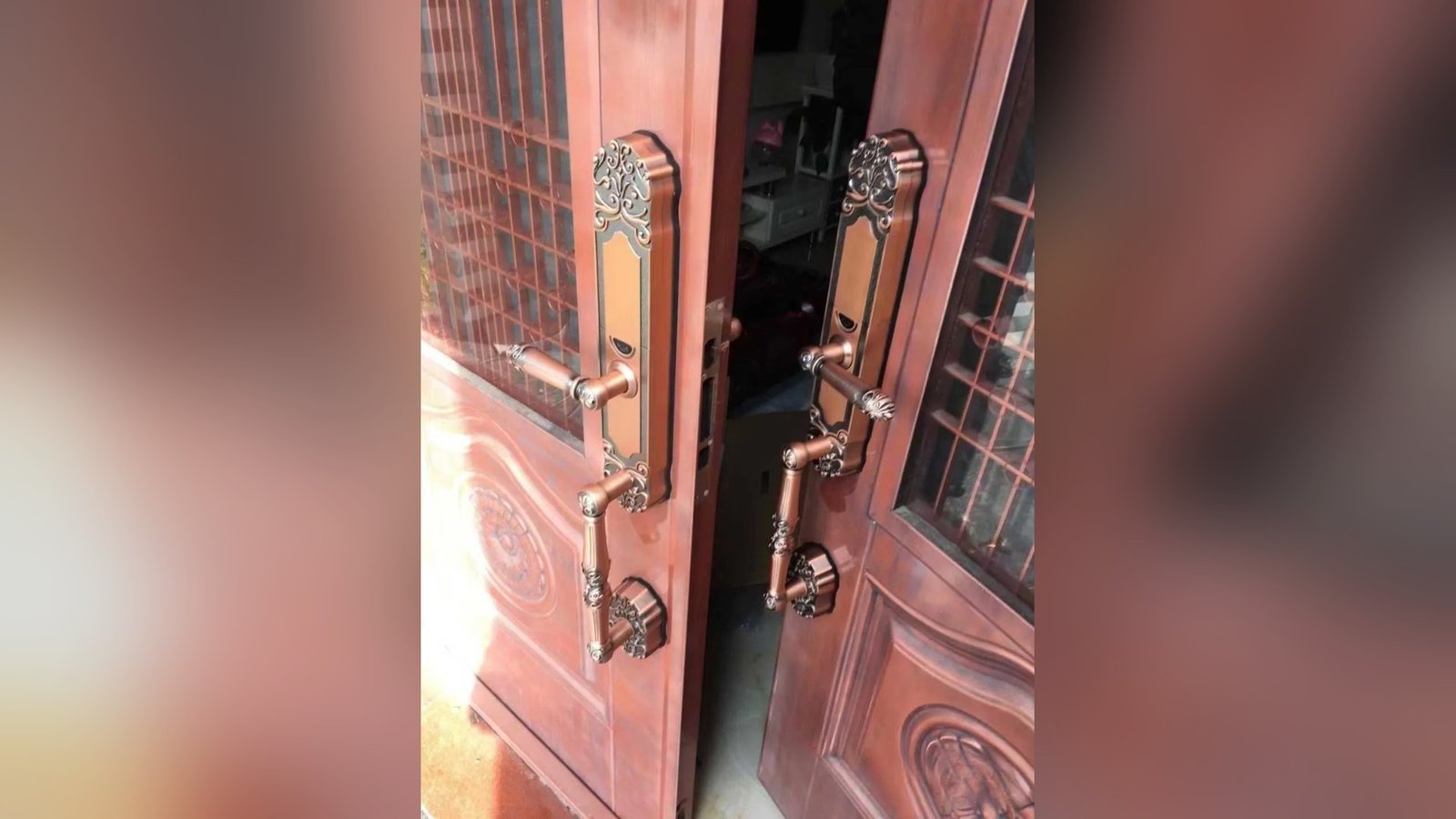
DDZ17 and the Room Door: Access Inside the Home
The front door gets the attention; the room door handles privacy, shared living and serviced rooms. How DDZ17 approaches that quieter job.
-

DS01 vs DS05: Two Deadbolts, One Decision
Same family, two deadbolts: a door-material difference, a panel difference, a weight difference. A close reading of what separates DS01 and DS05.
-
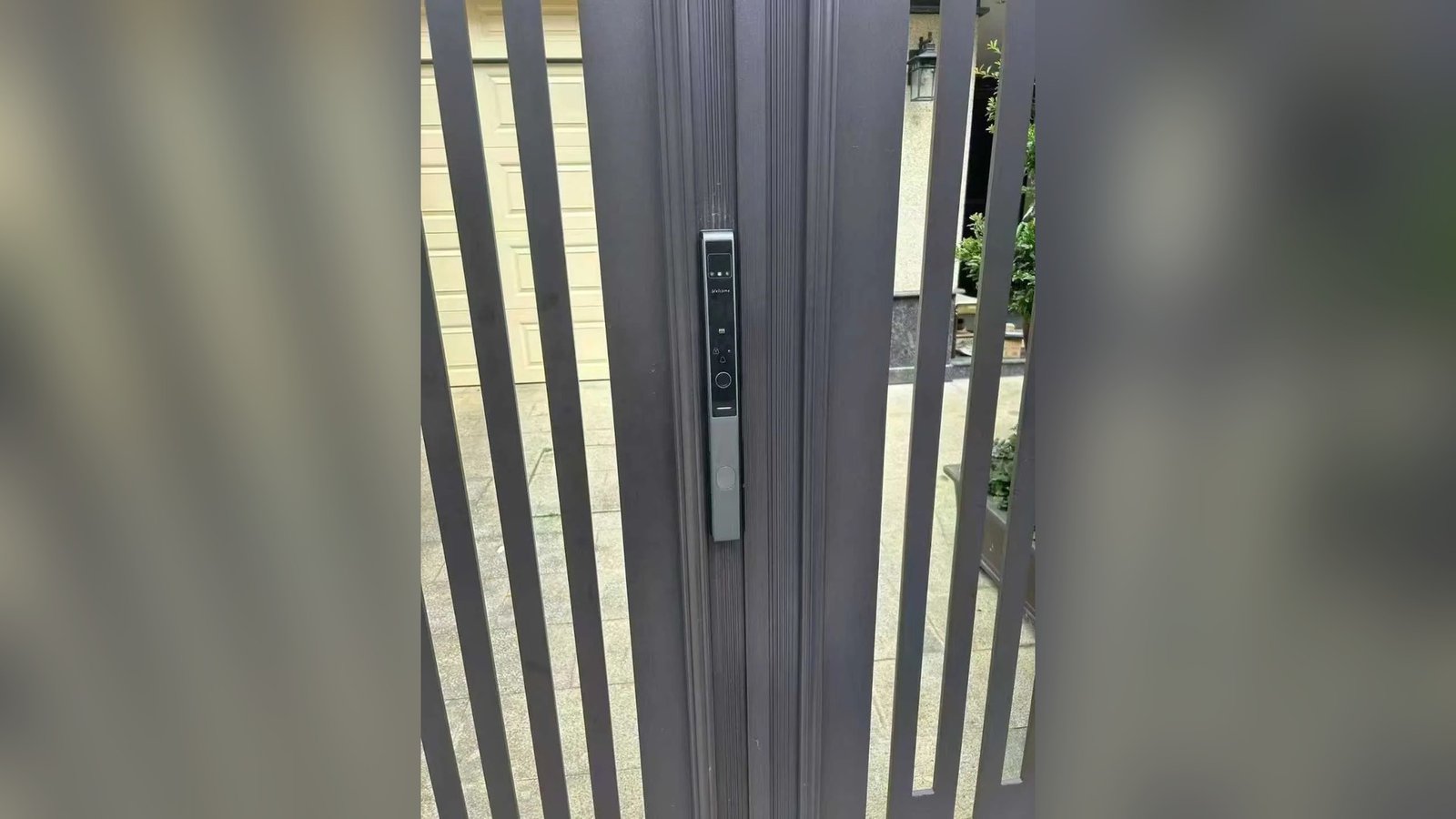
Glass, Light and the Entry: What Glazed Doors Change
Glass changes an entrance’s light, privacy and presence – and removes the surface a traditional lock expects. How glazed entries shape hardware,…
-
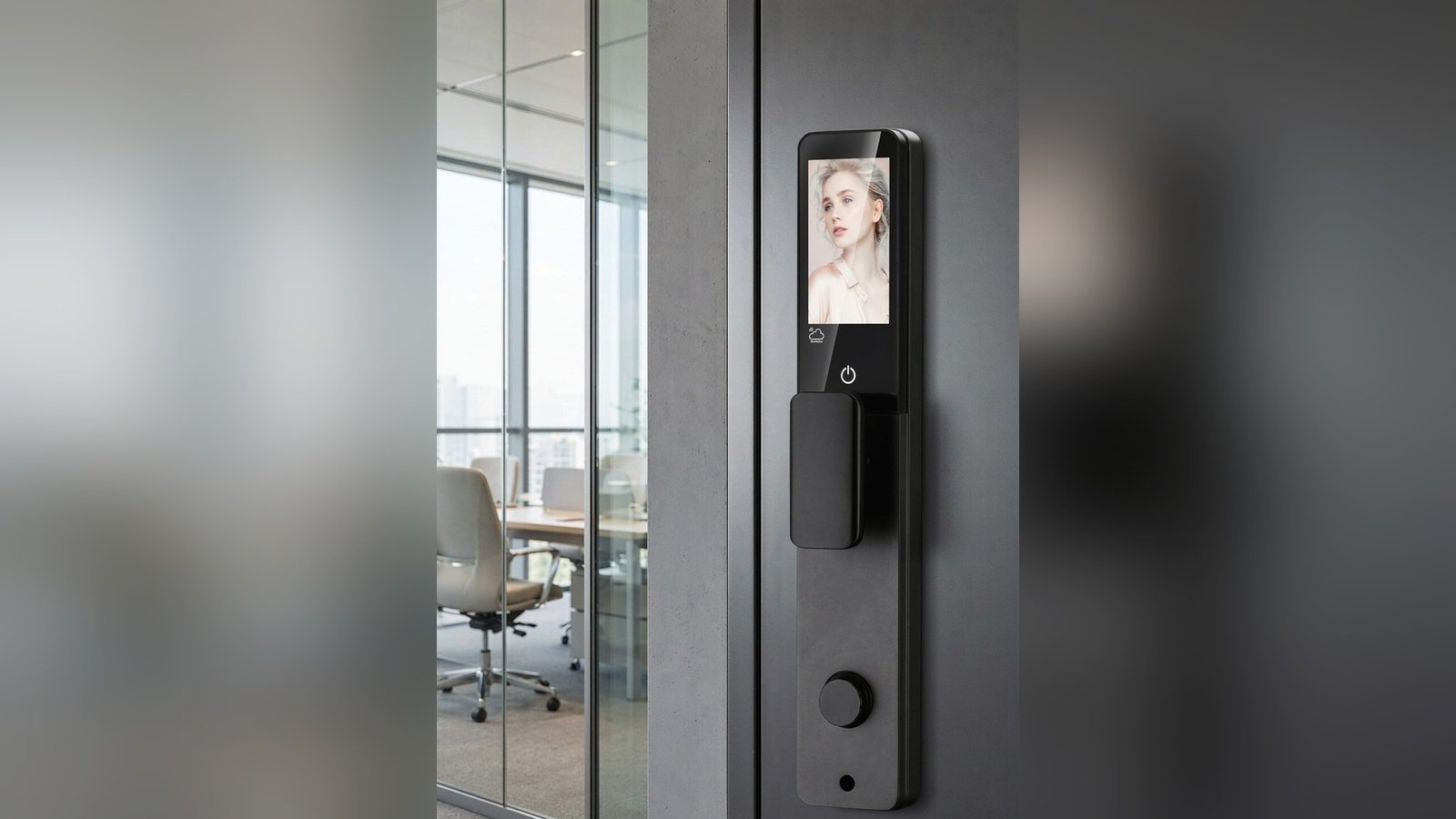
The Handle as Handshake: Why Entry Handles Deserve More Thought
The handle is the entrance’s handshake – first contact, first impression. What good door handle design does for comfort and durability, and…
-

Materials That Age Well: An Entrance Five Years In
Entrances live outdoors for decades. How aluminum, glass, hardwood and finishes age over five years – and what to pick when weather…
-

A20 on Glass: What Specifiers Ask Before a Glass-Door Deployment
Glass entrances are their own discipline. The specifier’s deployment questions, answered with the A20’s documented capabilities.
-

Entrance Proportions: Scale, Pulls, and Where the Lock Sits
Why one entrance looks designed and its neighbor looks assembled: the three proportions – hardware, spacing, facade – that decide the read.