A stock order and a project order can leave the same warehouse in identical cartons and still behave like two different businesses. One is replenishment; the other is a promise with a date on it.
That is the quiet difficulty inside smart lock distribution models: the same product families, the same packing bench, two decision rhythms riding on top of them. Distributors who fold both into a single pipeline tend to end up with cash frozen in the wrong place or a project half-served at the worst moment. The fix is not better forecasting — it is keeping the two clocks visibly separate.
Two clocks running in one warehouse
A stock order runs on the calendar of consumption. It exists because last month’s sell-through emptied a shelf, and it is judged by whether the next container arrives before the shelf empties again. Its unit of thought is the reorder point.
A project order runs on the calendar of commitments. Somewhere a developer has a handover date, a hotel has a refurbishment schedule, a housing manager has an installation crew booked. The order is judged by whether the right configuration is in the right place on the right morning. Its unit of thought is the milestone. When the two calendars share one inventory pile and no visible boundaries, the louder calendar always wins — and it is usually not the one that pays the bills next quarter. Keeping them visibly separate is the whole craft of combined smart lock distribution models.
What stock orders reward: breadth and arithmetic
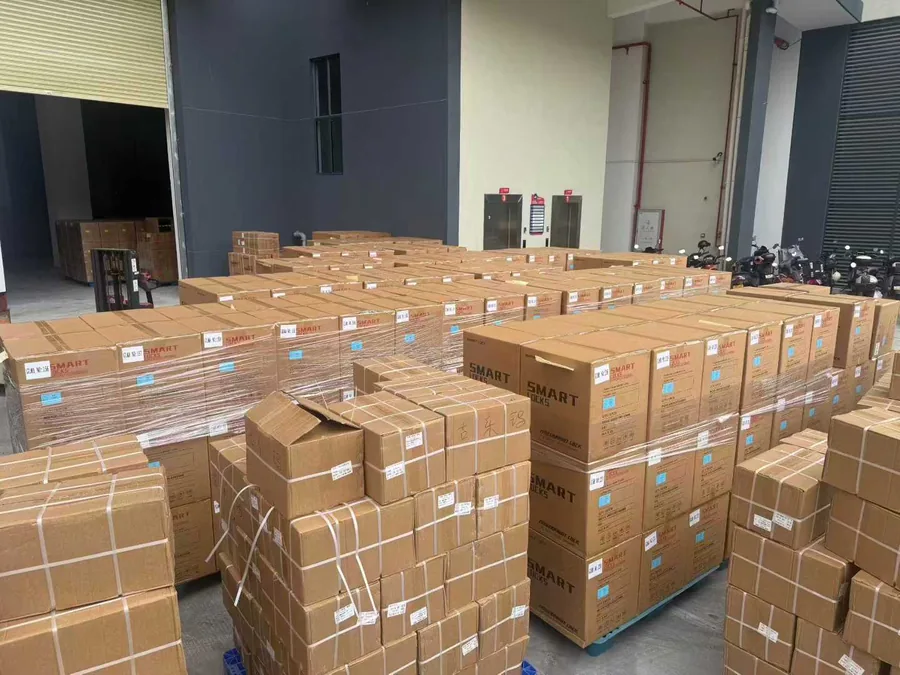
Stock is a breadth game. A distributor wants the three or four models that move steadily, in the finishes that sell locally, in carton formats the warehouse crew can handle without special equipment.
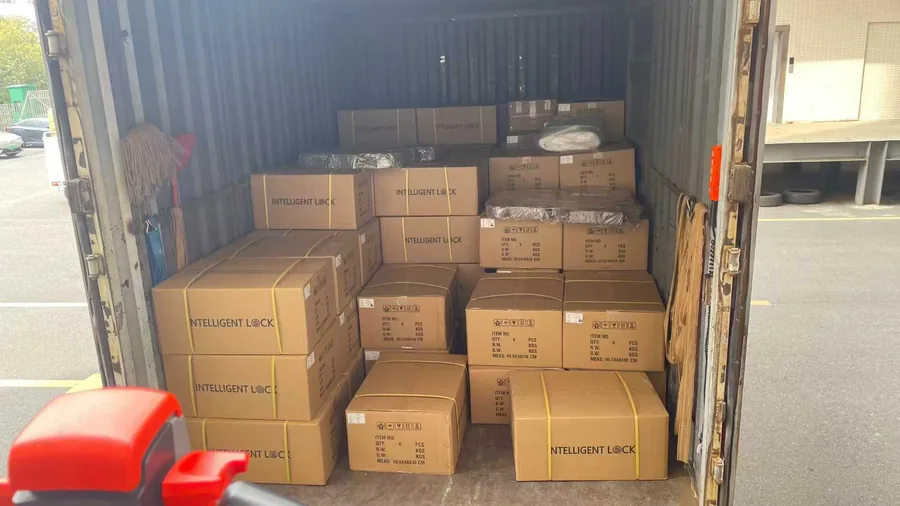
This is where packing data earns its keep. The DS01 deadbolt ships in a color box of 225×162×85 mm at 0.91 kg per unit, in master cartons of 20 pieces weighing 18.4 kg. The DS05 tracks close behind at 0.83 kg per unit and 17.0 kg per 20-piece carton. Those figures decide shelf cube, pallet plans and freight cost per unit — the boring numbers that make a stock program profitable or not.
What project orders reward: depth and documentation
Projects are a depth game. A buyer specifying for an apartment block or a glass-fronted office lobby does not want ten models; they want one configuration locked down completely — access methods, user capacity, finish, mounting conditions, and paperwork that survives an audit.
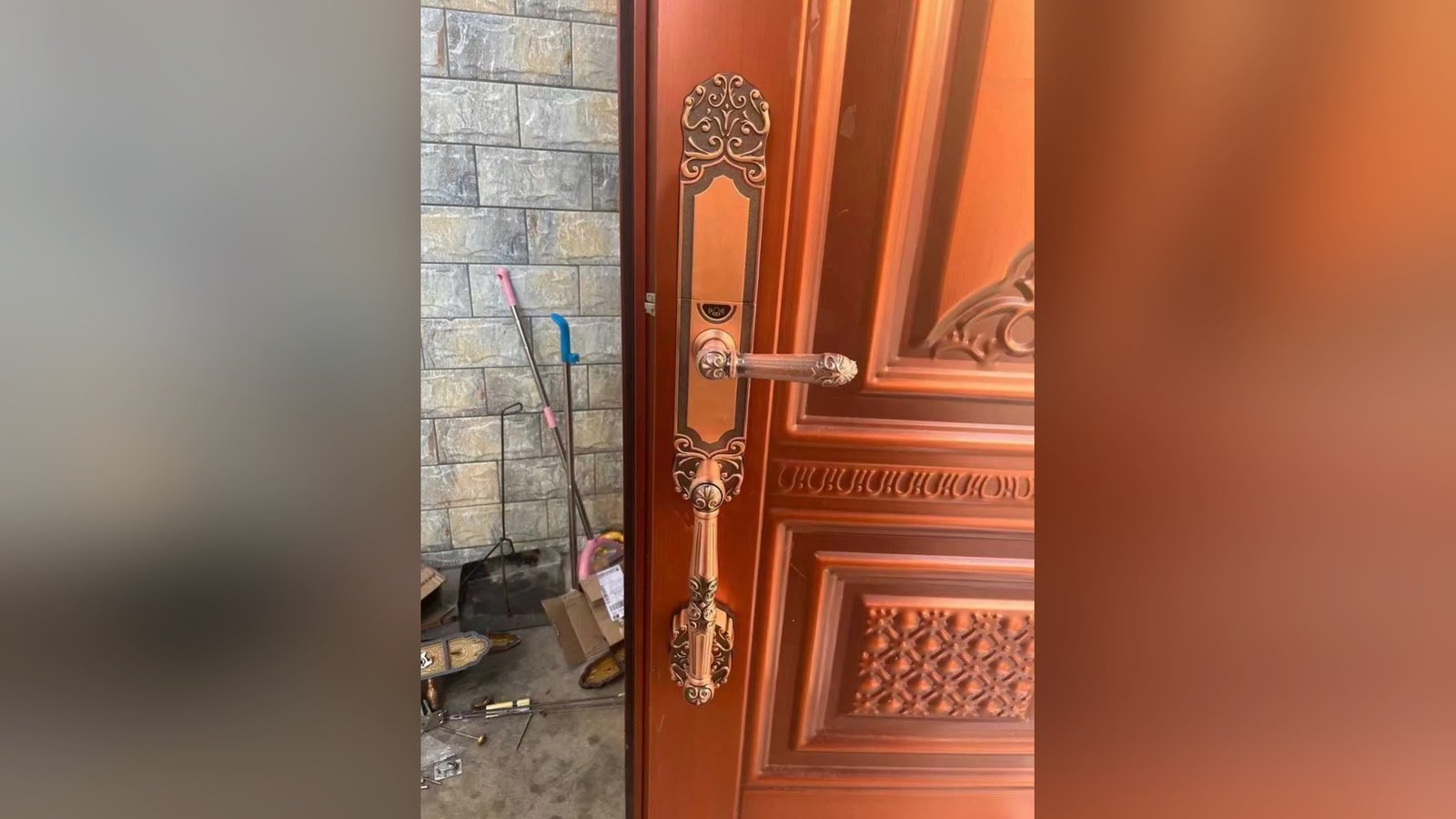
That is why project conversations lean on documented capability. The DDL1, for example, documents palm vein, face, fingerprint, password, IC card, key and app access, with separate capacities for each credential type, plus administrator and normal user roles — the kind of structure a facilities team asks about before signing. The LK0161 documents color options in black and red bronze and logo customization availability. On approved orders, logo customization is part of what we offer as a manufacturer. The project buyer’s real question is not “what can it do” but “which document says so, and can I attach it to my submittal?”
The overlap trap
The expensive mistakes rarely come from either model on its own. They come from the seam between them:
- Promising project timing out of stock. A project is won because stock exists “somewhere,” then the stock sells through, and the project waits on production while the relationship cools.
- Letting stock cash fund project production. Deposits and stock revenue pool together, project margins look healthier than they are, and the next replenishment order quietly shrinks.
- Customizing stock SKUs. A finish or logo change for one project contaminates a standard carton line, and suddenly the fast mover is not standard anymore.
None of these require bad faith. They require attention that nobody has on a busy month. Fences solve what memory cannot.
A working allocation discipline
Whichever smart lock distribution models you operate, the aim is the same: never let one lane’s urgency quietly consume the other lane’s capacity. The habits below are the ones that hold up when a month gets busy.
Five fences worth building
- Reserve physical stock for open commitments. A labeled stack is a promise you can see; a spreadsheet line is not.
- Keep project-unique configurations out of the stock assortment. If it was specified for one buyer, it belongs in a project lane from the first carton.
- Review the pipeline weekly, not monthly. Milestones slip; the faster you see a slip, the cheaper the adjustment.
- Quote from documented specifications, never from memory. Approximate promises are how stock gets promised twice.
- Agree in writing what happens if a milestone moves. The reallocation conversation is easy before the goods are packed and hard after.
Documentation is the bridge
There is one asset both models share, and it is not inventory — it is documentation. Spec sheets and installation drawings are what let a counter person quote a project confidently and what let a stock reseller answer a technical question without escalation. We collect product documentation in the Download Center for exactly this reason, and it is worth walking your counter through it: training counter staff on the catalog pays for itself the first time a project buyer asks a question over the counter on a Saturday morning.
When you build your own SKU plan, start with the fast-moving deadbolt lines and layer project-specific models behind them, the way we sketched in the starter map for a lock SKU range. And before any large commitment, run the timing questions — quantities, scheduling and payment structure — through your supplier in writing; our piece on the questions behind every order lists what belongs in that conversation.
Questions distributors ask us
How do we decide what deserves stock status?
Start from demand evidence, not from catalog breadth: which models repeat, in which finish, at what interval. The deadbolt ranges are common first stock items because credential capacity (100 fingerprints, 100 passwords, 100 IC cards as documented for DS01 and DS05) covers most residential and light-commercial requests without a special order. Anything that only appears in one project inquiry stays a project item until it earns a second life.
Should a project ever be filled from stock?
Sometimes — and when it happens, make it a decision rather than a default. If stock is used, record the deduction immediately, reorder against it, and tell the affected buyers whose shipments shift as a result. The failure mode is not using stock; it is using it invisibly.
What do project buyers want to see first?
Documentation completeness: a spec sheet that matches the quotation, installation drawings, and a clear statement of which parts ship in the box. You can see our view of that in the deadbolt series overview. Buyers who trust the paperwork trust the carton.
Running stock and project business side by side?
CaremLock works with distributors, importers and project suppliers across both models. Tell us how your pipeline splits, and we will outline the ranges, packing data and documentation to support each lane.
Or explore the product range and contact the team.