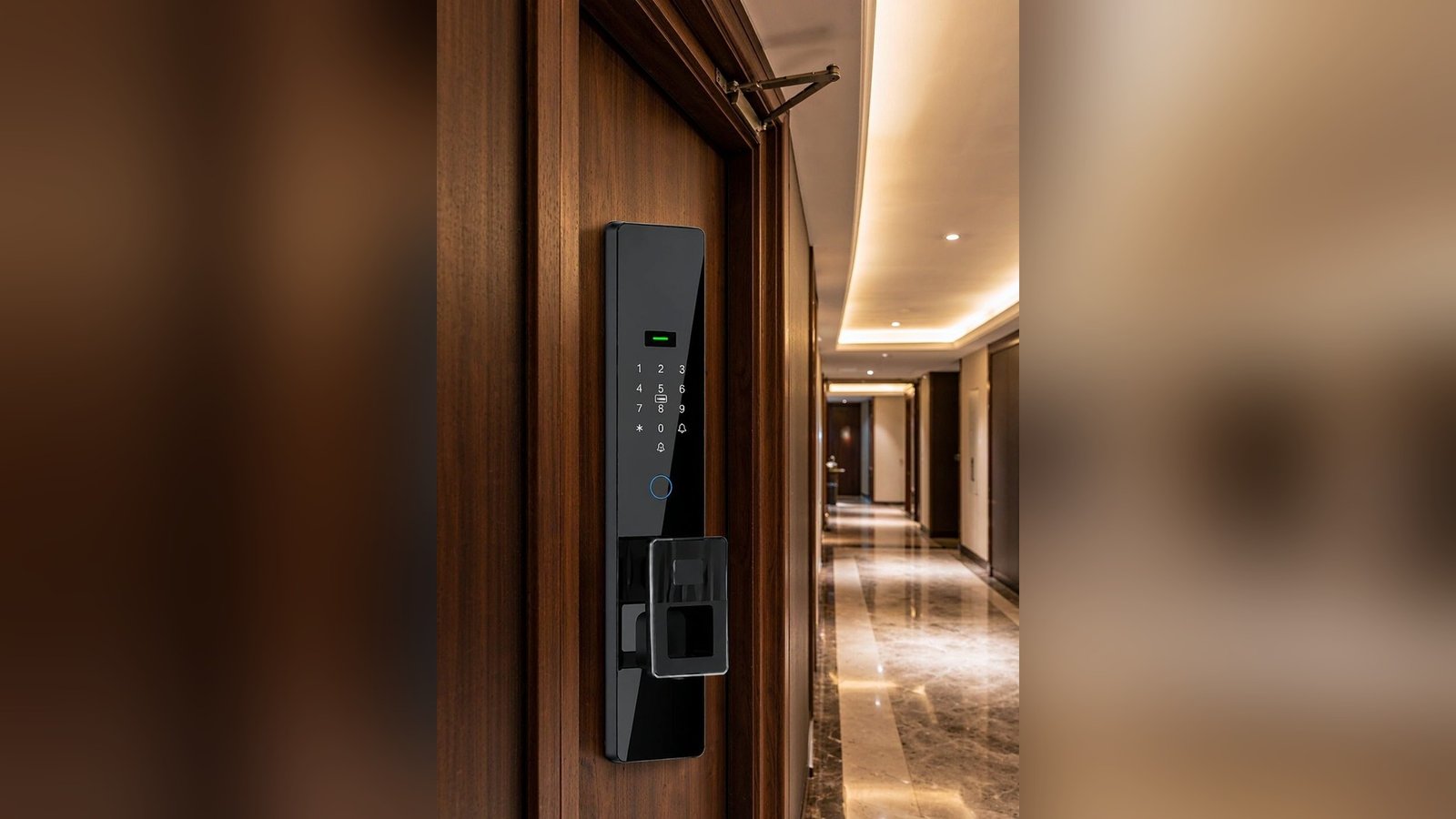
When did you last really look at your front door — not walk through it, but study it the way a stranger would? Most people can describe their door’s color and not much else. Meanwhile the door has been quietly developing friction: a handle that wobbles, a key that sticks, a porch light that fails to reach the lock.
A home entry audit checklist sounds like something an inspector brings in a clipboard. It isn’t. Twenty questions, two minutes, and no tools beyond your hands and the porch light are enough to surface the friction you stopped noticing years ago. Run it before the next season, not after the next problem.
How to run the audit
Do it from outside, at the time of day you usually come home — that is when the door’s weaknesses are honest. Start at the path and end inside the doorway. Run the home entry audit checklist often enough and it becomes less a document than a reflex. Answer quickly; your first instinct on each question is usually the accurate one. And keep one rule: whenever a question makes you hesitate, that hesitation is the finding. Write it down before you explain it away.
The door itself: five questions
- Does the door stick, scrape or need a lift before it will close?
- Is light visible around the edge when the door is shut?
- Is the threshold worn, loose, or high enough to trip a visitor?
- Does the door swing on its own, or has it started to?
- Do the hinges creak, or does the top corner of the door sag when open?
Several of these questions are about alignment, and alignment is where locks get blamed for door problems. A door that has moved with the seasons will make even a perfect lock feel stiff; the tests in our article on door sag and smart lock alignment separate the door problem from the hardware problem before you spend anything.
The hardware: five more
- Does the handle wobble, or does its plating feel rough where hands land?
- Does the key turn smoothly, or is entry a small wrestling match?
- Does the deadbolt engage with a solid action — or a grind?
- Is anything loose: screws, plates, the strike, the door closer?
- When did you last clean, lubricate or inspect any of it?
Hardware rarely fails dramatically; it degrades politely until someone notices. A deadbolt that needs two attempts to throw, a key that must be jiggled — these are the early warnings that a lock is due for attention. If the audit says the hardware is done, the next section of decisions starts with fit: door thickness, preparation, and clearance, which is exactly what our guide to smart lock door compatibility covers.
Light and approach: questions eleven to fifteen
- Is there enough light to see a keyhole, keypad or reader after dark?
- Does light glare off the hardware instead of revealing it?
- Is the path to the door clear, even, and free of trip hazards?
- Is there a step, sill or slope that surprises visitors?
- Can a delivery person find the bell or reader in five seconds, at night?
Light is the most underrated entry feature, because it is the only one that helps every method at once — key, code, fingerprint, card. A small fixture aimed at the hardware rather than the path often does more for daily entry than any upgrade to the lock itself.
Habits: the last five questions
- How many copies of the front door key exist, honestly?
- Does everyone who holds a key still need one?
- Where is the spare key kept, and would you defend that choice out loud?
- What usually happens when someone arrives with full hands?
- If the usual way in failed tonight, who in the household could still get in — and how?
The habit questions are the ones that change arrangements rather than hardware. Households that run this audit often find the same three results: a key count nobody can state with confidence, a visitor arrangement resting on a spare key that should not exist, and a backup plan that lives only in one person’s memory. All three are cheap to fix once they are visible.
Score the audit with two lists, not a number: one list for things to fix this month (alignment, lighting, loose hardware, key count) and one for things to change when the lock is next replaced (method, capacity, feedback, visitor access). A question that appears on neither list was probably answered honestly.
When the audit points to new hardware
If the hardware list ends with more than two items, replacement deserves a look rather than another repair. The useful questions at that point are about the household’s life, not the catalog: how many people need daily access, whether keys or credentials suit the household better, how visitors should be handled, and whether anyone arrives with full hands or limited grip. Then measure — door thickness and preparation first — because fit decides which models can even be in the conversation. The DS01 deadbolt, for example, is documented for 35 to 55 mm doors with 60 and 70 mm lock tongue options, across wood, metal and plastic; the details that make a replacement painless are collected in our notes on preparing for installation.
The home entry audit checklist’s real product is a short, honest list. A door that fails it in three places is a door with a plan; a door that passes is one less thing to think about for another season. Either outcome is worth two minutes.
Audit questions, answered
How often should the audit be run?
Three good triggers: the change of seasons, the week after any household change, and any time the door starts behaving differently — sticking, dragging, or needing a lift. Alignment shifts with weather and wear, so a door that passed in spring can honestly fail by autumn.
My door failed the alignment questions. New lock or repair?
Repair first. Alignment is a door condition, and a lock installed on a misaligned door inherits the problem no matter how good the lock is. Tighten, adjust and test; if the door holds its geometry afterwards, then the hardware conversation can proceed on solid ground. The walk-through above covers the sequence.
Do I need to measure anything before shopping for a lock?
Yes — three things: the door’s thickness, the existing preparation and backset, and the clearance around the door edge. Those measurements decide which models can be installed without modification, and models such as the DS01 publish their fit limits so the check is straightforward. The DS01 product page documents the numbers to compare against.
Replacing the entry your audit flagged?
CaremLock supplies deadbolt and smart lock ranges for distributors, installers and project buyers serving homes and multi-family properties. Share the door details your audit collected — we will match them to documented models and fit.
Or explore the deadbolt range and contact the team.