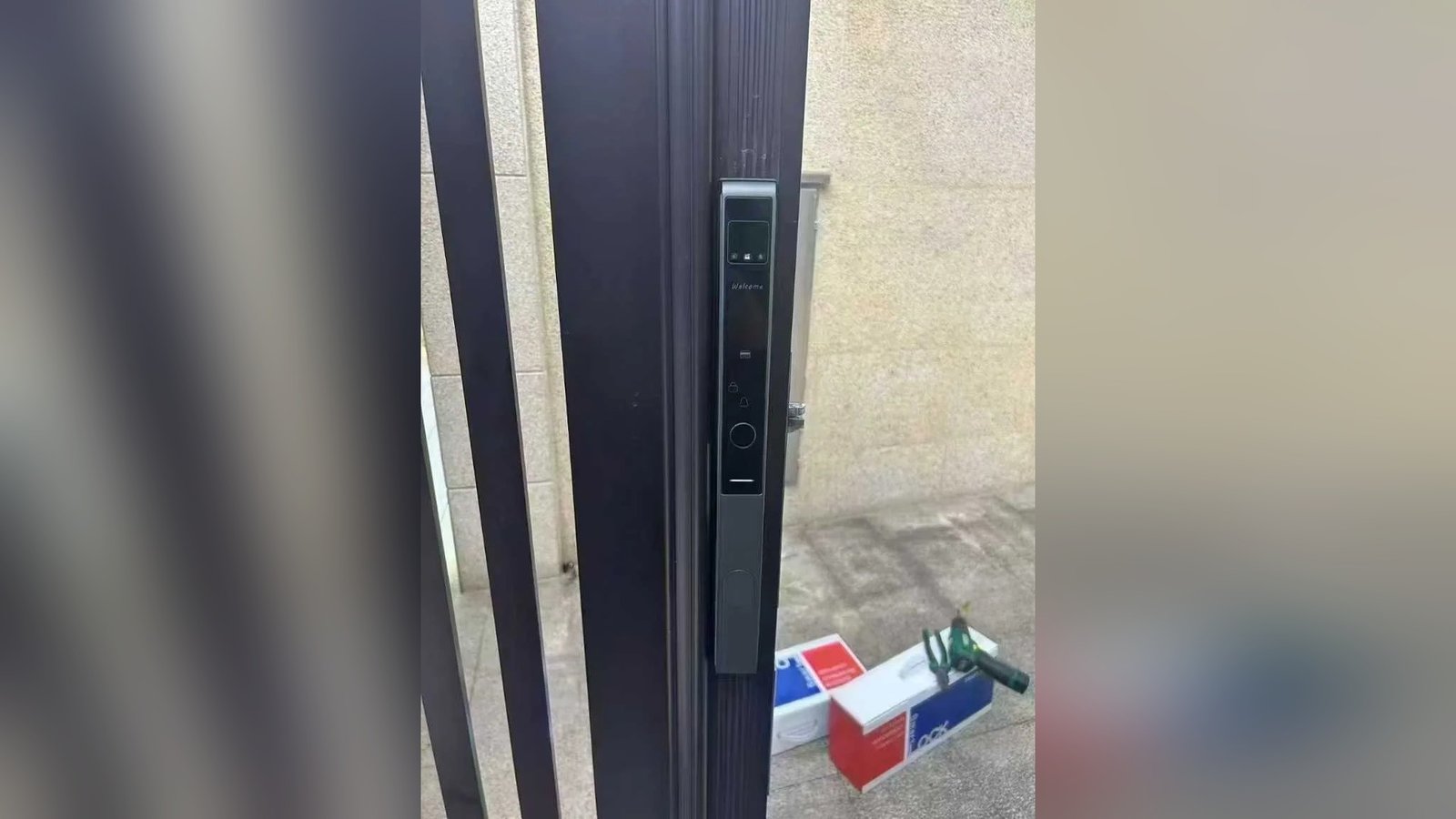
In most construction projects, the lock is decided twice. The first time is on paper, in a door schedule and a specification document, months before anyone thinks about purchase orders. The second time is during procurement, when the chosen model gets priced and ordered. Suppliers who are only present for the second decision are competing on the slimmest margin in the project — and often discover too late that the door schedule already specified someone else.
Project specification smart lock work is about earning a place in that first, paper-stage decision. It is slower than quoting, quieter than a showroom, and it is where a distributor’s or manufacturer’s real leverage sits: models that can be written into drawings, with fit data and documentation ready before the drawings are frozen.
How a model gets into a specification
Specifications are built by people who need to justify every line. Architects and specifiers choose products they can describe precisely and defend if questioned: a named model, a documented list of access methods, a fit range that matches the door, and a note on how it connects. Vague entries do not survive review, and they do not survive a change order either.
That is why the ability to specify is a paperwork capability as much as a product one. A model with a clear datasheet, tolerances that match the drawings and a stable name is an easy entry. A model that must be re-explained in every meeting is a liability the specifier will quietly replace at the next revision. Documentation is the currency here, and the paperwork is what does the selling — for project specification smart lock work, the paperwork is the product.

The documents that decide whether a model can be specified
Four pieces of information do most of the work at specification stage:
A specifier’s minimum document set
- Fit dimensions — panel sizes, door thickness range, and preparation requirements. Our deadbolt models document door thickness of 35–55 mm with lock tongue options of 60 or 70 mm, for example, and panel measurements a specifier can check against the door schedule.
- Access methods and capacity — which credentials the lock accepts and how many users it manages, so the specification can state the intended access approach.
- Power and connectivity — battery type, charging method and platform options, because these decide maintenance planning and network requirements.
- A model identity that stays stable — a name and page a specifier can reference across revisions without chasing a changing description.
When these four are documented and findable, a specifier can close the entry in an afternoon. When any is missing, the line gets deferred — and deferred lines get replaced.
Fit data as a specification argument
Door schedules live in millimetres, so the hardware entry must too. This is where closely documented models win quietly: the DS01 deadbolt documents a front panel of 68 × 140 mm, a rear panel of 65 × 136 mm, and suitability for wood, metal and plastic doors; the DS05 covers wood and metal doors with a 65 × 140 mm rear panel. Both accept doors from 35 mm to 55 mm thick, and both are built for standard North-American and compatible door preparations, with installation drawings included in the product documentation.
That combination — dimensional certainty plus standard preparation — is what allows a lock to be specified before the door is even on site. A specifier who knows the door type and thickness can write the entry with confidence; the installer receives hardware whose drawing matches what was drawn months earlier. Our overview of the deadbolt smart lock range collects these models in one place for that purpose.
Supporting the specifier and the distributor together
Specification work is usually a partnership. The brand supplies documentation, drawings and answers; the local distributor supplies presence, relationships and knowledge of which projects are actually moving. Both roles matter at different moments: the distributor hears about a project first, and the manufacturer’s documents close the technical loop.
For distributors, the play is to make specification help a standard offer rather than a favour — a folder of datasheets, a set of installation drawings, and a named person who answers spec-stage questions quickly. Our guide to expanding a lock catalog looks at how product lines and support material grow together as a distributor takes on more project work.
Why early presence beats late discount
By the time an order reaches procurement, the meaningful decisions are made. The door has been drilled to a preparation, the schedule names a model, and the budget has a number attached. A late entrant can only compete on price; an early entrant competes on fit, and price is one line among several.
This is the quiet economics of specification work: being named in the drawings is worth more than any single discount. It also explains why suppliers invest in documentation that a specifier can use without asking — the easier a model is to write correctly, the more likely it gets written at all.
Preparing for the specification conversation
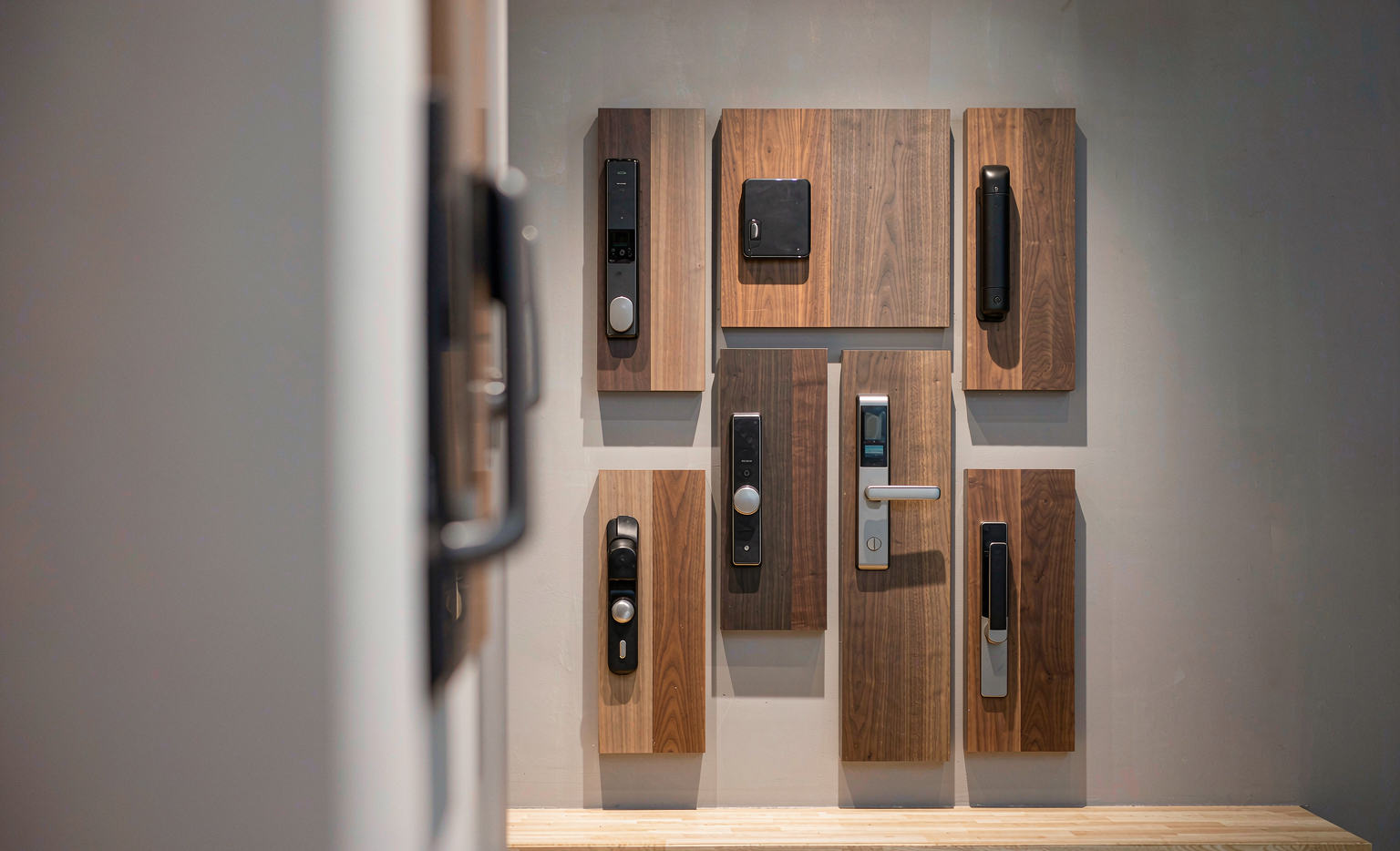
Distributors and manufacturers preparing for project specification smart lock work can get ready without waiting for a project. Assemble the document set for each model — dimensions, capabilities, power and platform notes in one place. Confirm the fit range against the door types that dominate your market. Make sure a named contact exists for technical questions and that the answers are quick. Then map the specification community: architects, MEP consultants, developers and procurement teams that value a documented, no-drama entry.
When a real project arrives, the sequence is straightforward: identify the decision-makers, provide the drawings early, and stay present through revisions rather than arriving at pricing time with a catalogue. The handover from specification to quotation has its own rhythm, which we cover in the smart lock quote process.
Common questions
At what project stage should we get involved?
As early as possible, and certainly before the door schedule is frozen. Documentation can only influence a drawing while the drawing is still being edited; after that, the best you can do is match what was already specified.
What if the specified preparation does not match our model’s fit range?
Then pause and re-check before proceeding. Our deadbolt models document fit for doors 35–55 mm thick with standard preparations; if a project’s doors fall outside that, the honest move is to confirm the requirement with the project team and choose a model that genuinely fits, rather than forcing an approximation into a specification.
Do we need to supply drawings to the specifier?
Yes, and early. Installation drawings are part of our product documentation available through the Download Center; putting them in front of the specifier is the single most effective way to get the model written correctly the first time.
Working on specification-stage projects?
CaremLock supports distributors, integrators and project buyers with model documentation, fit data and installation drawings suited to specification work. Tell us the project profile — we will prepare the document set your specifier needs.
Or explore the product range and contact the team.