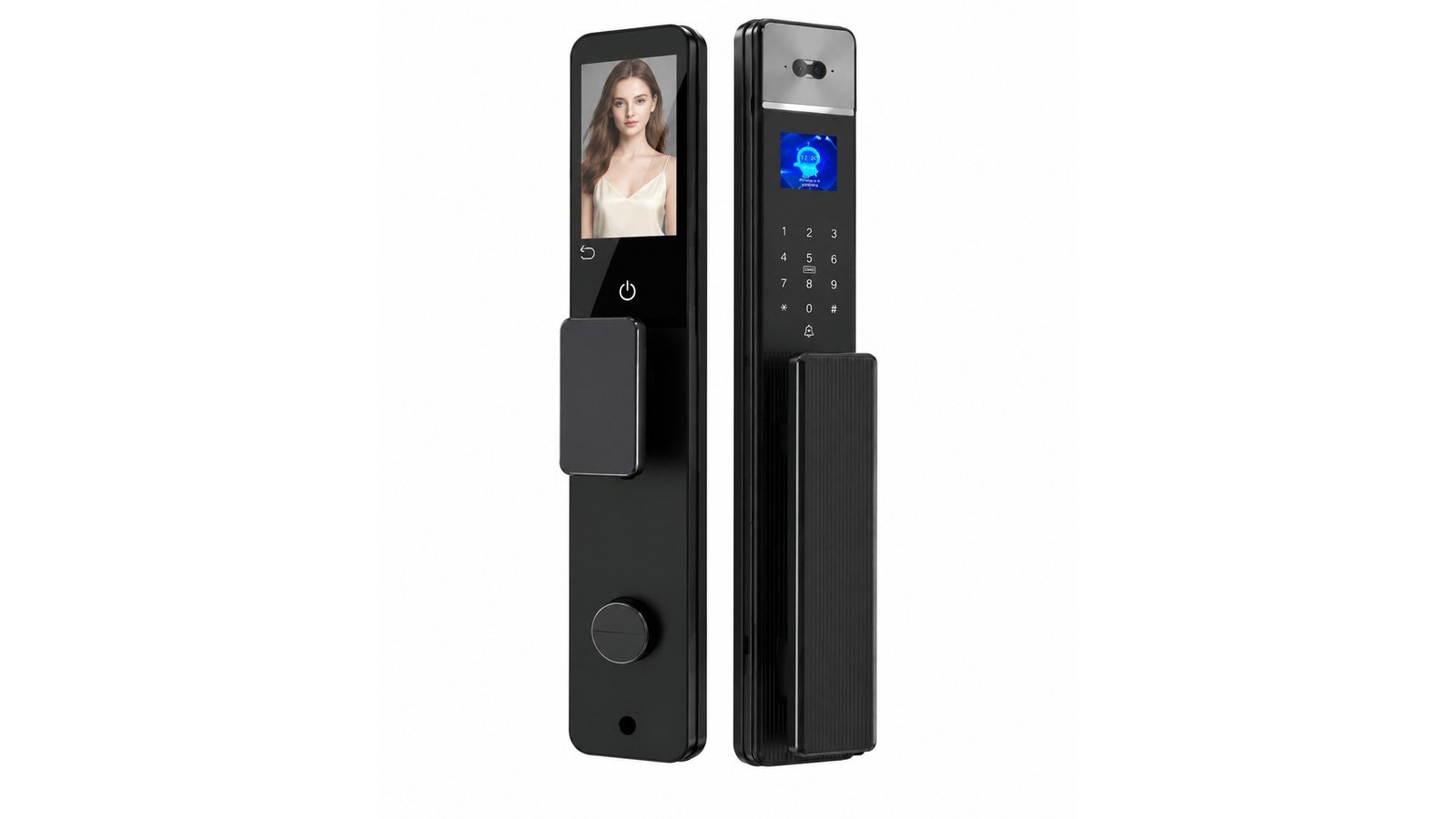
An enquiry reads: “We’re building 240 apartments. Send your best price for smart locks.” A quotation that answers it will be wrong in both directions — too vague to be useful, too specific to be true. Between that sentence and a quotation a buyer can actually order from, a short, structured conversation has to happen.
This is about that conversation: what a supplier genuinely needs to know before quoting, why each question exists, and how a buyer who arrives prepared gets a faster, sharper result than one who asks for “best price” and waits.
Why “best price” can’t be answered
Price isn’t a property of a lock; it’s a property of a configuration. The same model can be quoted across a range of numbers depending on what’s inside the order, and a supplier who returns a single number to a one-line enquiry has either guessed or is about to walk it back.
The variables that genuinely move a quotation, and that only the buyer can answer:
Six questions behind every real quotation
- 1. What doors is this for? Wood, metal, aluminum or glass — and how thick. Door type decides the lock family before anything else, and the wrong family can’t be fixed with price. Our door fit guide shows the five measurements that settle this.
- 2. How many units, on what schedule? One order of 200 and four orders of 50 are different prices and different production planning. Quantities and expected delivery windows are pricing inputs, not small talk.
- 3. Which configuration? Standalone or app-connected; which platform ecosystem; which finishes. On our ranges these choices are documented per model — a deadbolt like the DS01 is offered in standalone, app and platform variants, and each is a different BOM and a different number.
- 4. What access management does the buyer need? A household, a hotel floor and a rental portfolio have different credential workflows. The management requirement occasionally changes the model family, not just the configuration.
- 5. What market will it sell or operate in? Destination market affects documentation language, packaging and compliance work. It’s one of the first questions for good reason.
- 6. What comes with the order? Custom branding, retail packaging, spare parts allowance, documentation sets — each a defined scope item that belongs in the quote, not in a follow-up email after the invoice.
What a good quotation contains
Turn the list around: a quotation worth acting on answers each of those questions in writing.
- Model and configuration, per line item. “Smart lock, 200 pcs” is a placeholder. “DS01 deadbolt, standalone version, black, 200 pcs” is an order waiting for a signature.
- Documented specifications attached or referenced. The buyer shouldn’t have to chase door-fit ranges and capacities separately; they belong with the quote, because they’re what the buyer’s client will ask about next.
- Scope items in the open. Branding, packaging, documentation, accessories, sampling — listed so nothing becomes a surprise line item later.
- Commercial terms as terms. Payment structure, validity period, and the delivery basis (FOB, CIF, or the agreed arrangement) — stated plainly, so both sides are negotiating the same shape.
- A defined next step. Sample order, pilot batch, or full order; the quote should make clear what the buyer can do next and what each path changes.
The sampling fork: most serious projects pause between quotation and full order at exactly one place — the sample. A quote that shows both paths (sample terms, then full-order terms assuming sample approval) turns that pause into a decision instead of a delay.
The buyer’s preparation checklist
If you’re preparing to request quotes — from us or anyone — this is the shortest useful version of what to have ready:
- A door schedule. For projects: door types, thicknesses, preparations, counts. One row per door type. This single document moves a quotation further than any email paragraph.
- Quantity and timing. Volume for the first order, expected annual volume if known, and the date the locks need to be on site.
- Configuration decisions you’ve made, and questions you haven’t. Naming your preferred connectivity and your open questions in the same message is ideal — it tells the supplier where to advise and where to execute.
- Market details. Destination country, sales channel (retail, project, distribution), and any documentation language requirements.
- The scope wish-list. Branding, packaging style, accessories, spares — mark each as must-have or nice-to-have. Suppliers can often engineer around must-haves; being told late is what costs.

What happens after the quote — and how to keep it short
A quotation is the midpoint, not the end. The path from signed quote to shipping container ordinarily runs through: configuration freeze, sample or first-article approval, production scheduling, inspection, and shipping arrangement. Each stage is shorter when the quote locked the configuration early.
Two habits compress the whole sequence. First, answer the configuration questions decisively the first time — every change after the quote respins the numbers. Second, use the quote’s own document set as your due-diligence bundle: model pages, fit statements, packing data. Buyers who ground the commercial conversation in documented facts spend their negotiation time on price and terms, not on re-litigating specifications.
For the wider framework — where quotation sits in the sourcing process — our supplier question guide and OEM/ODM overview cover the surrounding stages.
Common questions
Can I get a quote without a full door schedule?
You can get an indicative quote — useful for budgeting — but not an orderable one. The usual middle path: quote against your best current door assumptions, marked as assumptions, and refine after the site survey. This is often the fastest honest way to a budget number.
How long should a quotation take?
We don’t publish turnaround promises in articles, because the honest answer depends on the enquiry’s completeness and the configuration work involved. What we can say: a complete enquiry (door schedule, quantities, market, scope list) is answered faster and more precisely than a one-line request — on that, every experienced buyer agrees.
What about sample orders — do they delay the process?
They extend it by design, and usually earn it back: a sample order validates the configuration before volume production, which is exactly the risk the pause exists to manage. The best-run projects treat sampling as a scheduled step, not a detour — our inspection guide covers what to check when the sample arrives.
Ready to move from enquiry to order?
Send us your door schedule, quantities and market — even a rough version. CaremLock’s team will return a structured quote with the documented model configurations behind every line item.
Or review how orders are produced on the factory page and contact the team.