Winter, 6:45 in the morning. In a building of forty apartments, the lobby door has been propped open with a folded cardboard box since last night — someone was carrying groceries, and leaving it open seemed faster than finding the fob again. By the evening, three residents have noticed, one courier has left a parcel behind the radiator, and nobody feels safe enough to be certain the building was ever closed.
Shared entrances run on etiquette as much as on hardware. The difference between a private front door and a corridor is that every choice one household makes lands on a dozen others, and apartment building entry etiquette is mostly the study of those small collisions: propping, parcels, noise, and the line between the door you own and the door you share.
A hallway is not a street
In a single-family house, the front door is the boundary between public and private, and the household alone sets the rules. In a building, that boundary is layered: the lobby and stairwell are semi-public, the corridor is shared, and the apartment door is private again. Etiquette starts by respecting the layers. Holding the lobby door for a neighbour you recognize is a courtesy; assuming any open door is an invitation is not.
This is why the “just prop it for a minute” habit causes disproportionate trouble. In a house, an open door exposes one home. In a building, it removes the only layer that some residents rely on — the one that decides who gets as far as the corridor at all.
The propping question
People prop doors for understandable reasons: hands full, deliveries expected, guests arriving, a move in progress. The habit persists because the alternative feels like a fuss. But the costs accumulate on the other side of the building: unmonitored access, parcels that vanish, and neighbours who start pressing building management for changes that affect everyone.
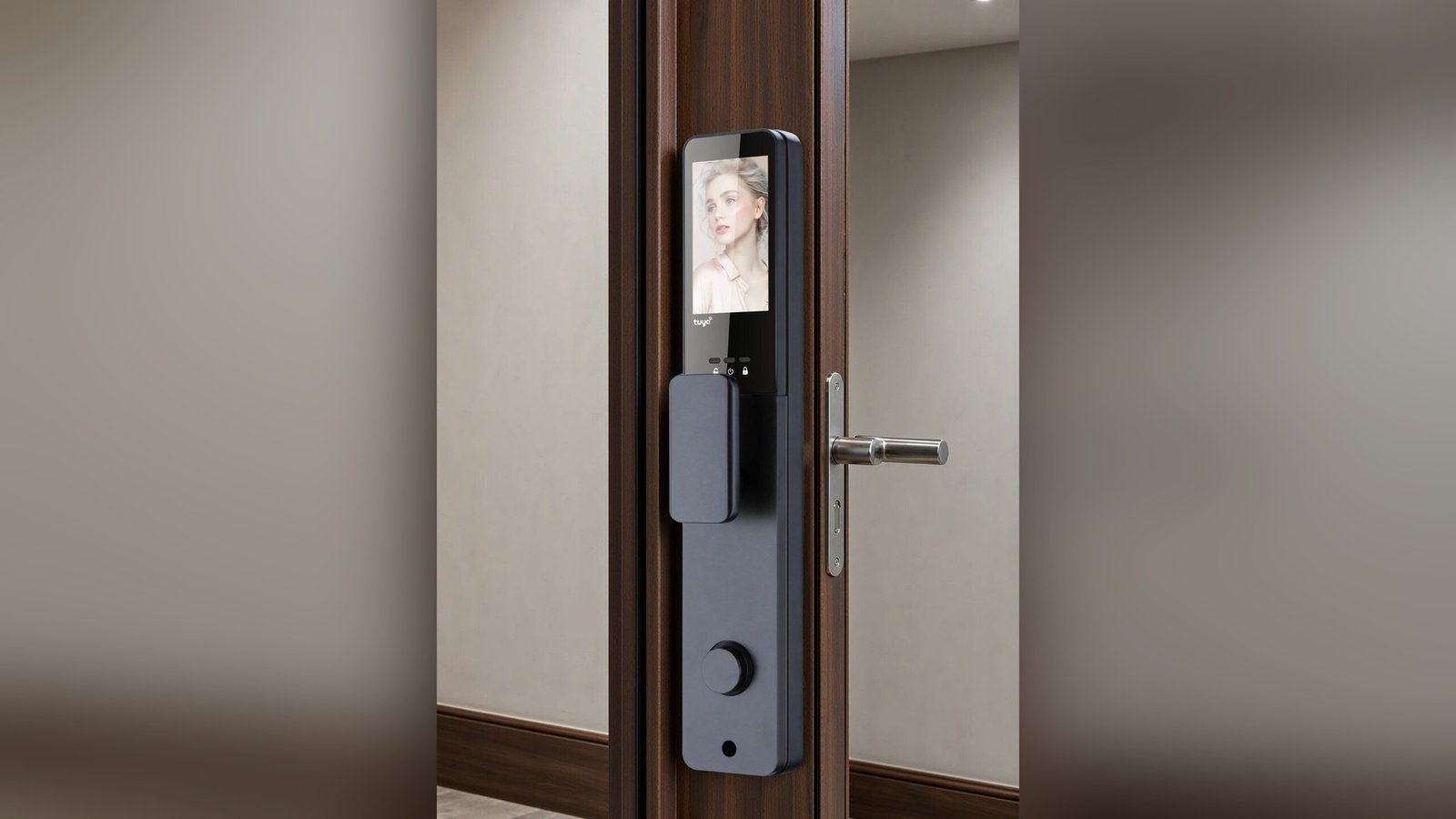
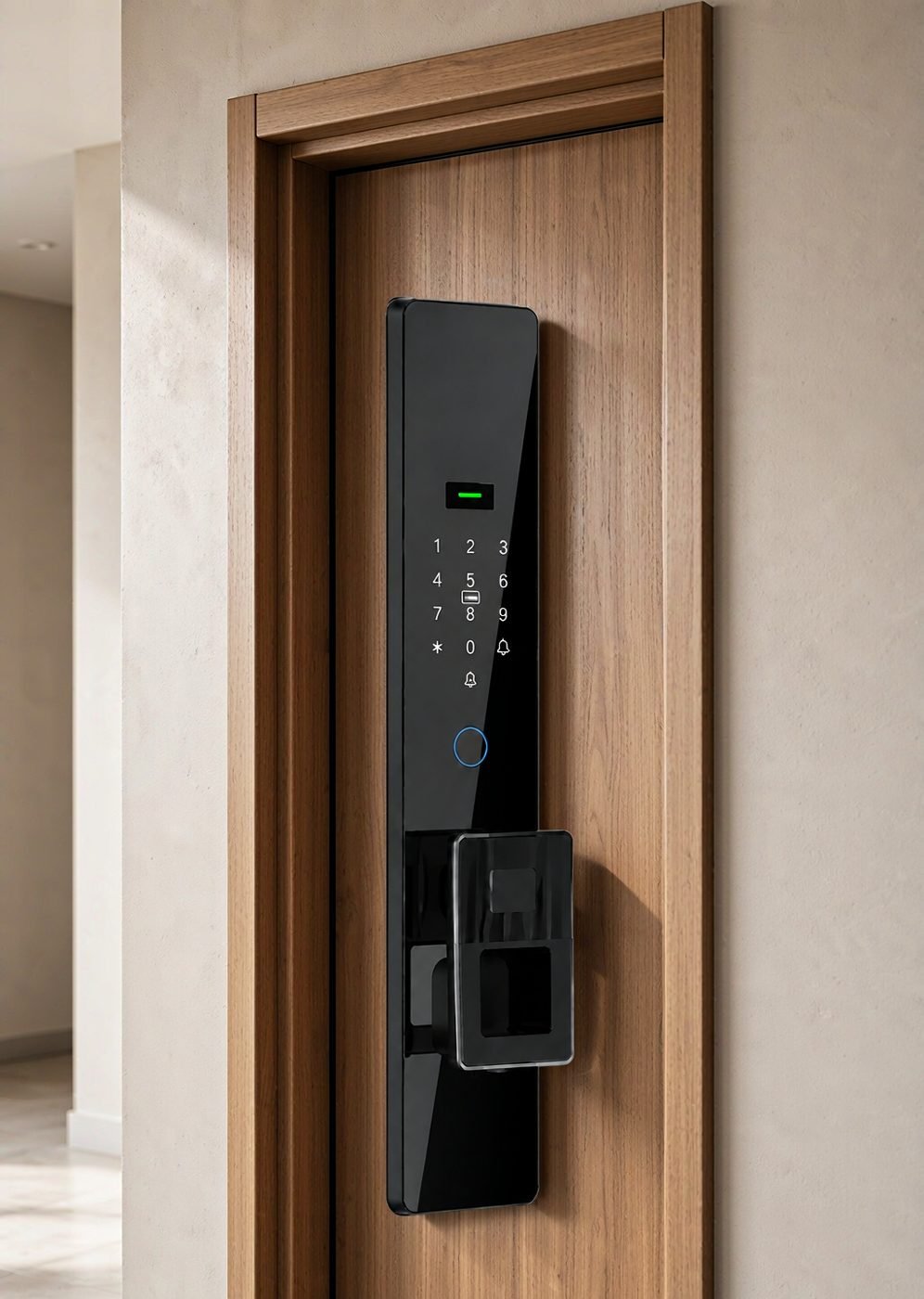
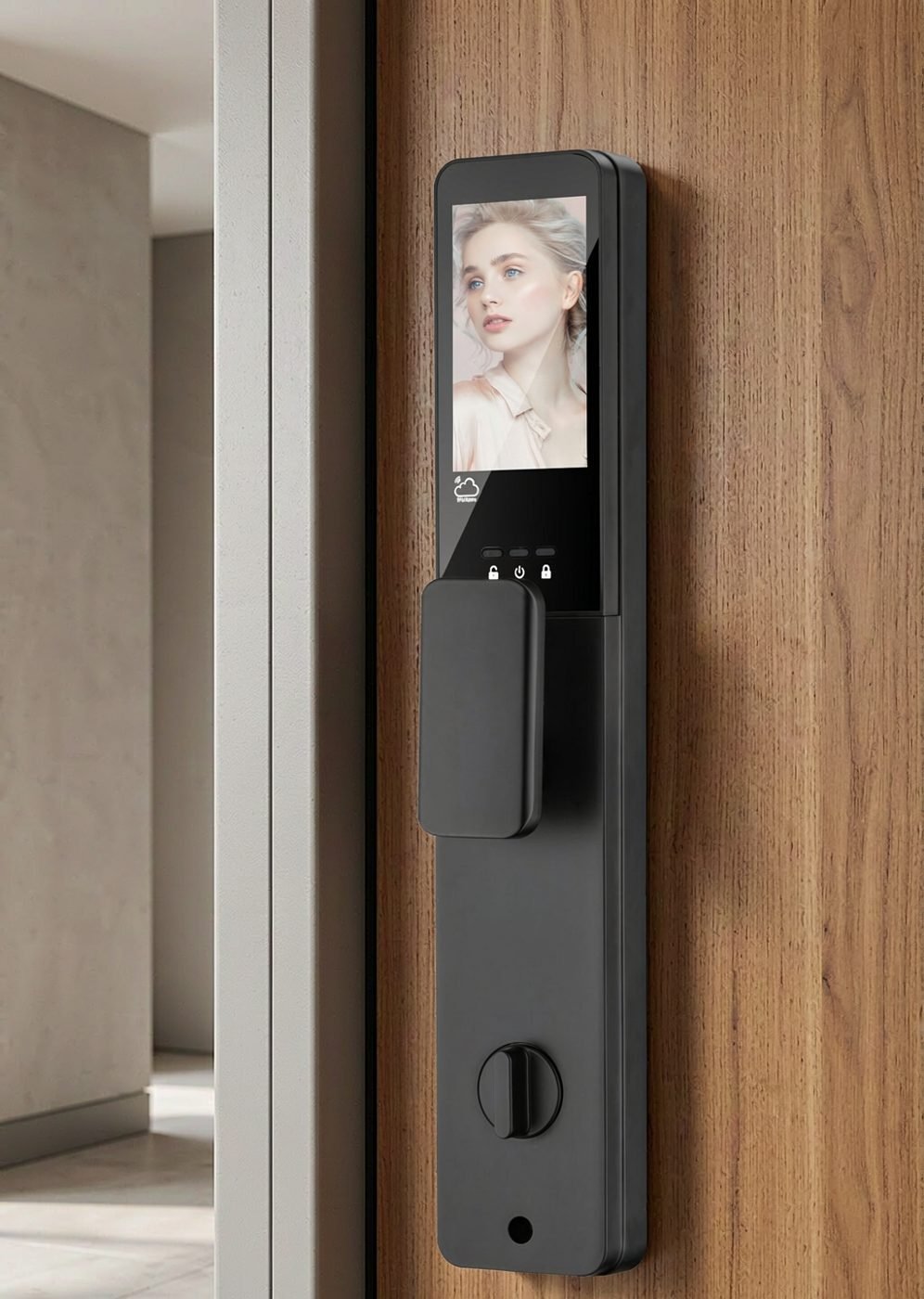
A short list of substitutes covers most cases. Let the courier call you and meet them at the lobby door. Ask a neighbour to hold the door for the thirty seconds a delivery actually needs. When guests are coming, give them a way to reach you rather than leaving the door open as a welcome mat — on an apartment door with its own access system, a temporary credential or a remote unlock does that job precisely, which is where a private-door product like the DDL1, positioned for apartments and project use, enters the conversation.
Parcels, doors and the lobby economy
Deliveries are the shared hallway’s busiest traffic, and most building friction around them comes from a mismatch: couriers need speed, residents need certainty, and the lobby offers neither an obvious place for a parcel nor a guaranteed face to hand it to. When a package disappears, the argument that follows is rarely about the parcel.
Households can improve their own odds without changing the building. Give couriers precise delivery instructions — door number, where to leave, what to do if there is no answer. Use the intercom rather than a propped door when you are home. If parcels are regularly left in the open, raise it with building management as a pattern rather than a complaint about one delivery; lobby design is a building decision, but the pattern is evidence they need.
Noise has a schedule
Corridor etiquette runs on time as much as volume. A door that is normal at 8 in the evening is a grievance at midnight, and mechanical sounds are only part of the story: metal keys turning, bolts clicking, and the electronic chirps of locks that have been left at their factory volume. Residents in buildings we would describe as considerate tend to sort this out early — checking whether the lock’s platform offers volume or silent settings, and keeping late-night arrivals quiet on principle rather than by accident.
Door hardware can help or hurt. Soft-close mechanisms, adjusted strike plates and well-fitted latches reduce the bang; a loose door on a shared corridor broadcasts every entry. If a door slams no matter how carefully it is closed, that is a hardware or alignment problem to fix, not a habit to scold.
Night-shift residents are the quiet test of this. They sleep when the building is busiest, and they notice door hardware the way others notice weather — a strike plate that rings, a latch that needs a shove. If someone in your building works nights, it is worth knowing which door in the corridor makes the most noise and whether it can be adjusted. Depending on the door, that conversation belongs to building maintenance or to the resident, but starting it is a courtesy that costs nothing.
Your door versus the building’s door
One distinction prevents most shared-building disputes: know which door you control. Residents typically cannot alter the lobby, garage or stairwell access without the building owner’s agreement, but the apartment door itself is usually theirs to improve — subject to the lease, which is worth reading before any hardware changes. That is also where the strongest personal security gain sits, because it is the last door between a corridor and a home.
For apartment front doors, the practical choices are the same as for any residential entrance, with two additions: the lock should suit the door’s preparation, and access should be manageable remotely for the visitor patterns apartments attract. We compare the models and the trade-offs in choosing locks for apartments and multi-family projects.
Etiquette that scales with turnover
Buildings are not communities of permanent residents. Renters move, short-term stays rotate, new owners arrive with different habits. Apartment building entry etiquette that depends on knowing everyone by name breaks under that turnover; etiquette that works as a system survives it. The rules that travel well are simple: close what you open, never lend building access, and manage access to your own door with credentials that can be removed when arrangements end.
That last habit is also the one that prevents awkwardness. A cleaner, a dog walker or a subletter on their own code is a clean arrangement that ends with a removal rather than a key that follows someone to a new job. How households structure those arrangements, from shared flats to managed properties, is the subject of our guides to access management models and access in shared households.
Common questions
Can I change the lock on a rented apartment door?
Usually with the landlord’s agreement, and often with the original hardware stored so it can be reinstalled. The practical route is a retrofit-friendly model that matches the existing door preparation — little or no new drilling — and a written note to the building owner before installation day, not after.
The lobby lock is old and management will not replace it. What can residents do?
Individual apartment doors remain the strongest move: improving the door you control does not require the building to renovate. For the lobby itself, document the specific failure — propping patterns, broken closures, delivery losses — and raise it once as a pattern. Building-wide hardware decisions follow budgets and owners, and evidence moves them a long way.
How should a cleaner or pet sitter get in without a spare key?
Give them access to your apartment door only, as their own credential — a code or card that can be deleted the day the arrangement ends. Building access stays with the resident or the building’s own system. This keeps the shared layers untouched and makes apartment building entry etiquette easier for everyone else in the corridor.
Equipping apartment and multi-family entries?
CaremLock supplies smart lock ranges for distributors, installers and project buyers working across apartment buildings and managed properties. Tell us the building type and the access patterns — we will match models and documentation to the project.
Or explore the product range and contact the team.