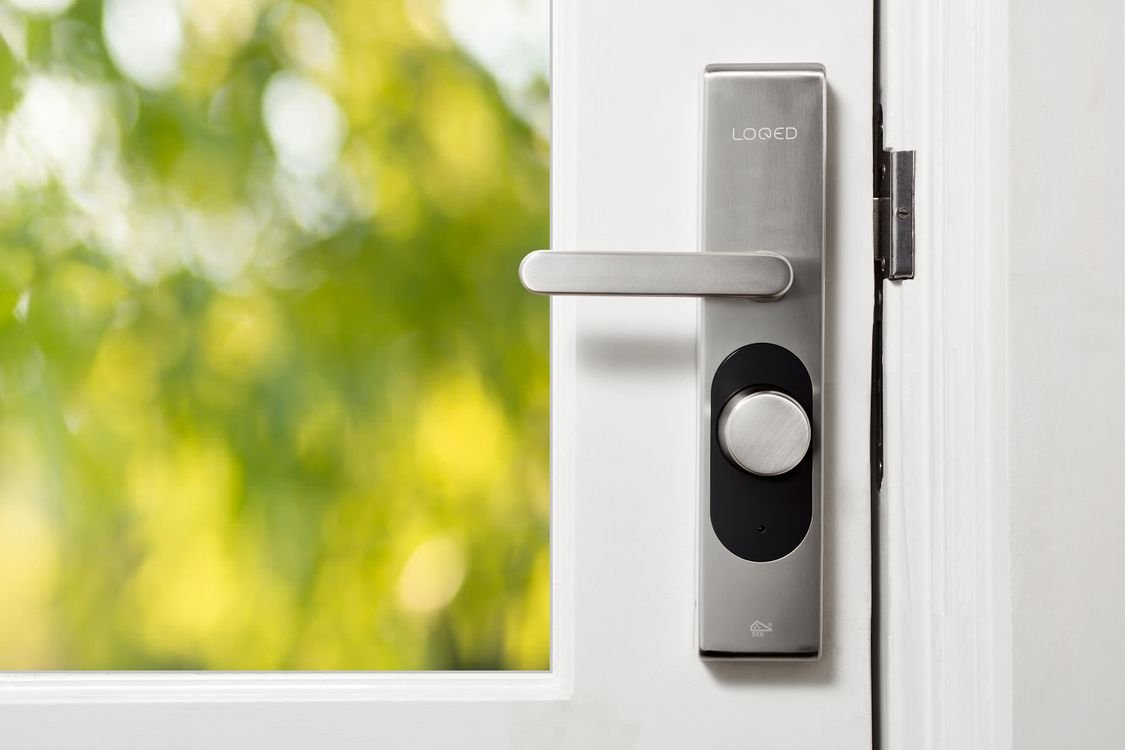
Direct answer: Southeast Asian humidity changes the choice: a lock that works well in a dry showroom can fail in a humid home, a coastal apartment or a busy shopfront. So if you distribute smart locks in Southeast Asia, check humidity and corrosion resistance first, then aluminium narrow-stile fit, then the Tuya app, and then installation and support. Ask for a sample, fit it on a real aluminium door, and confirm warranty, spare parts and lead time in writing before you order in bulk. The cost of a field failure falls on the distributor and the installer, not on the catalogue.
| If you… | Start with |
|---|---|
| Serve coastal or humid areas | Finish, materials and sealing around the keypad and fingerprint reader, in writing for the exact model |
| Sell to aluminium doors | Narrow-stile fitment list by model — door thickness, backset and mortise size |
| Serve hotels or rentals | Tuya app control — codes, cards, and how access changes when a guest or tenant leaves |
| Serve homes | Offline use — can the lock still open with a fingerprint, code or card when the internet is down |
| Want your own brand | OEM terms agreed before ordering, including logo, packaging and app branding |
How does humidity affect a smart lock?
Humidity is the first check in Southeast Asia, and it is easy to underestimate. High humidity, rain, condensation and salty coastal air can affect a lock over time. The finish can change, the keypad can become hard to read, the fingerprint reader can become less reliable, and the battery compartment can suffer if moisture gets in. These problems rarely appear on the first day. They appear after weeks or months of daily use, when your customer is already using the lock every day. Ask the supplier how the lock is finished and how it is tested for humid conditions: what materials are used on the outside, how the keypad and fingerprint reader are sealed, and what care instructions you should give customers. Ask for a written description of the finish and materials, and whether the same finish is used on the sample and on the production model. If the supplier cannot describe this clearly, treat that as a gap.
What should you check on aluminium narrow-stile doors?
Aluminium doors are common in Southeast Asia, and narrow-stile aluminium doors need a specific check. A lock made for a wide wooden door may not fit a narrow aluminium stile at all. The mortise may be too wide, the handle may be in the wrong place, or the lock body may not sit cleanly in the door. That is why door fit comes before features. Ask the supplier for a door compatibility checklist and a fitment list by model: door thickness, mortise, and whether it fits narrow-stile aluminium doors. Test the sample on a real aluminium door with the exact profile you sell to, not only on a display board. If you serve projects, test it on the exact door profile used in that project, because a small difference in the profile can change the result. Useful reading on this site: smart-lock-door-compatibility-checklist and distributor-range-evaluation.
How does the Tuya app work for distributors?
In Southeast Asia, many buyers will ask about the Tuya app before they ask about the lock body. The app is what the user touches every day, and it is what the installer has to explain. Ask the supplier which platform the lock uses, how accounts are managed, how codes and cards are issued, and what happens when a tenant changes or an employee leaves. Ask how the lock works when the internet is down, and whether it can still be opened with a fingerprint, a code or a card. A lock that only works online is a risk, because your customer will call you when the network fails. Useful reading on this site: tuya-vs-ttlock-smart-locks-which-platform.
What should installation cover?
Before the first visit, confirm the door type, mortise size, door thickness and handing. Bring the right tools and the right spare parts, including batteries. On the visit, fit the lock, test it with the customer, and show them how to use it. Enrol a fingerprint, a code and a card in front of them, show them how to add and remove a user, and show them the low-battery warning and what to do when they see it.
How should you test a sample before you order?
A sample is your only chance to find a problem before you order in bulk. When the sample arrives, fit it on a real aluminium door. Enrol a fingerprint, a code and a card. Lock and unlock it many times. Test it with the app, and test it without the app. Check the finish after handling, check the keypad in different light, and check how the fingerprint reader works when hands are damp. Change the battery, and check how the low-battery warning works. Ask an installer to fit it, and ask how long the first fit takes. Keep a short record of the test: model, door type, date, who fitted it, and what worked and what did not. If a problem appears, ask the supplier for a written answer. For a new range, start with a low-MOQ trial batch, to test fit, app and support before you commit to a large order. Confirm the exact trial quantity, sample lead time, bulk lead time and warranty terms for the models you choose.
What about stock, support and OEM terms?
A distributor range lives or dies on stock and support. Ask what spare parts are held in stock, how warranty claims are handled, who pays for return shipping, and how long a replacement takes. Ask how your installers can get training, and whether the supplier provides a short guide they can follow. Useful reading on this site: fingerprint-door-lock-oem-private-label-process.
A short checklist you can use
- Humidity and finish checked for the exact model, with materials and care instructions in writing
- Aluminium narrow-stile fit confirmed on your real door profile, including door thickness, backset and mortise size
- Tuya app checked for your customer type, including account management, code issuing and offline use
- Sample fitted on a real aluminium door by an installer, with a written test record
- Installation handover covered: fingerprint, code, card, battery warning and support contact
- Trial quantity, sample lead time, bulk lead time and warranty confirmed in writing
- Spare parts, support route and OEM terms agreed before ordering
If a supplier cannot answer one of these in writing, pause that model and ask again.
Next step
Pick two or three models that fit your main aluminium door profiles, request samples and specification sheets, and test them on real doors in humid conditions. Then compare them on the checklist above, not on catalogue photos. To request a quote, use the Smart Lock Quote Request form on caremlock.com or email sales@caremlock.com with your target models, quantities and customisation needs.
FAQ
Why does humidity matter for a smart lock in Southeast Asia?
High humidity, rain and coastal air can affect the finish, the keypad and the fingerprint reader over time. Ask for the finish, materials and care instructions for the exact model, and test the sample in the conditions your customers live with.
Can a smart lock fit a narrow-stile aluminium door?
Some models can, and some cannot. Ask for a fitment list by model, with door thickness and mortise size, and test the sample on the exact aluminium profile you sell to.
What should I ask about the Tuya app?
Ask how accounts are managed, how codes and cards are issued, what happens when a user changes, and whether the lock still opens without the internet. Choose the platform that fits your customer type, whether residential, hotel, office or rental.
Can I start with a small trial order?
Yes, if the supplier offers low-MOQ trial batches. Confirm the exact trial quantity, lead time and warranty in writing before you order, and use the trial to test fit, app and support.