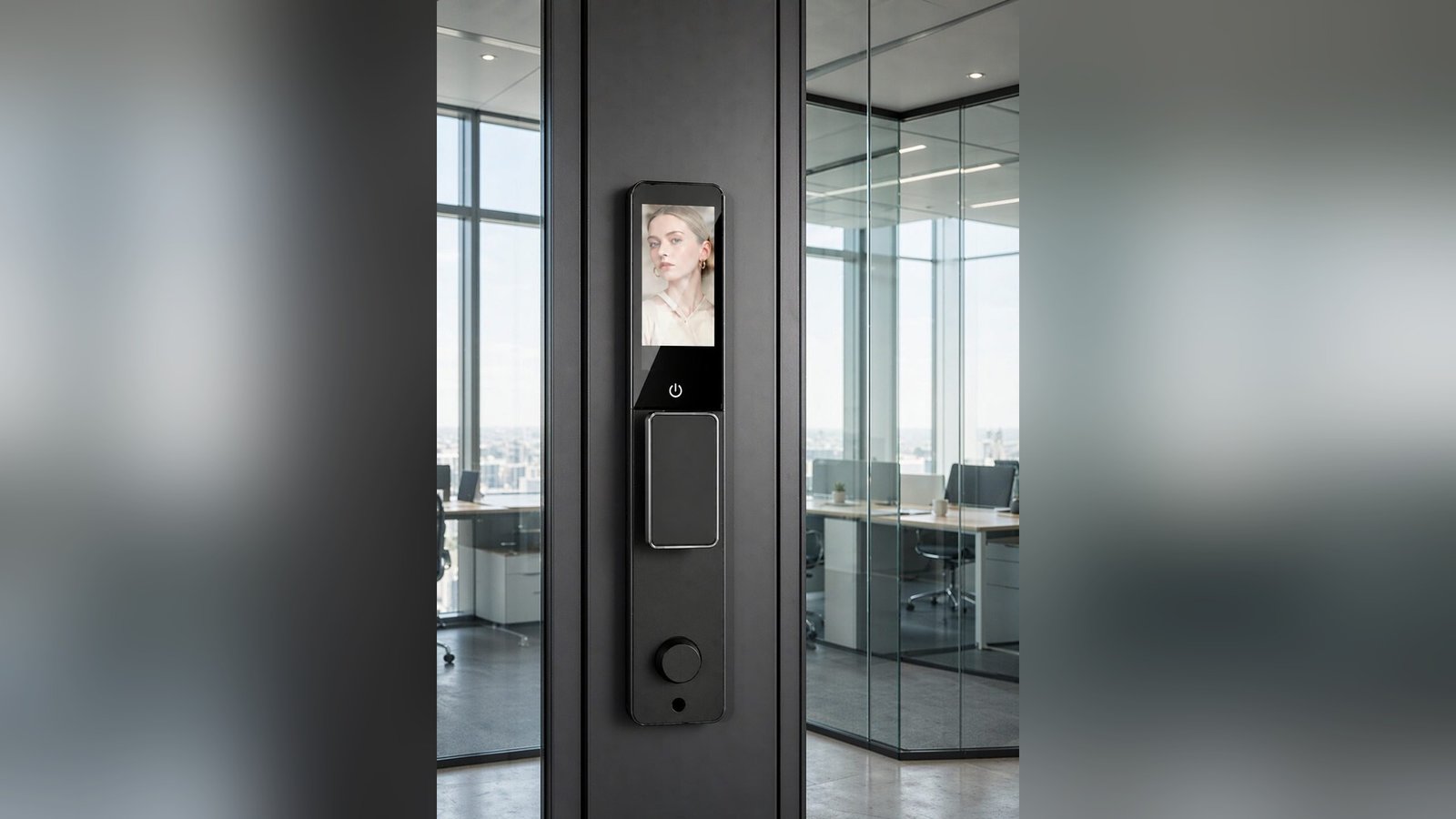
The grandparent who babysits every Friday has a relationship with your front door that pre-dates the smart lock. They know the loose handle, the trick with the second key, the step that catches the toe. Swap the door’s hardware and you’ve quietly rewritten a routine they had mastered — and the Friday that follows is a test, not a favor.
The good news is that this is a solvable problem with about twenty minutes of preparation. What follows is the pre-visit routine for households where occasional caregivers will use a door they don’t live behind — designed so the first babysitting day starts with confidence instead of a doorstep tutorial.
Why the first visit after any change goes wrong
The failure pattern is consistent, and it isn’t about the grandparent’s capability — it’s about the mismatch between three things:
- Muscle memory from the old door. Hands that reached for a key for years don’t automatically reach for a keypad. The first visit is always slower, and if the household treats that slowness as a problem, the caregiver feels it.
- Too many methods at once. Explaining “you can use the code, or a fingerprint, or the app, and here’s the key” is four instructions where one would do. More options at the door mean more hesitation at the door.
- The pressure of someone watching. A demonstration in front of the family is a performance; nobody learns comfortably while performing. The practice has to happen before the day it matters.
The pre-visit preparation, in order
Do these before the first babysitting day
- 1. Pick ONE method for them, and commit. Decide which single method the caregiver will use — usually a code they’ve chosen themselves, or a card that lives in their bag. This is their method; the others exist but aren’t their responsibility to remember.
- 2. Set it up together, on a calm day. Not on a babysitting morning — an ordinary afternoon. Let them enter the code themselves the first few times; the physical memory is what carries into the rushed day. Watch — don’t instruct — while they do it.
- 3. Run the full routine once. Enter, close the door, exit, re-enter. Five minutes of rehearsal covers the sequence that will actually happen Friday, including the exit — which is where people surprised by new hardware most often get flustered.
- 4. Show the exit motion for locking. Whatever secures the door behind them — the automatic action, the spoken confirmation, the simple press — demonstrate it once and have them do it once. The question “did it lock?” should be answered before it’s ever asked.
- 5. Name the backup out loud. One sentence: “If the code ever doesn’t work, here’s what you do.” For our deadbolt models the documented backup is the mechanical key — worth showing where it’s kept (findable, not outside), so the fallback is a plan they’ve seen rather than a contingency they’d have to improvise.
Design details that help older occasional users
While choosing or configuring the door, four documented features deserve attention for this user population specifically:
- Spoken feedback. A lock that confirms entry aloud is dramatically easier for someone who doesn’t want to interpret small lights and symbols. Our DS01 and DS05 deadbolts document voice prompts in Chinese, English, Spanish and Portuguese — a feature that reads as minor on a spec sheet and as decisive at an actual doorstep.
- A code that’s theirs, not yours. Let the caregiver choose a code meaningful to them. Memory works through association and story, not through security theory — a code the family deems “too obvious” but the user recalls effortlessly is the better operational choice. This is about entry convenience, and the real security boundary is the ability to delete the code when the arrangement ends.
- A reader that fits their hands. If they’ll use a fingerprint, test it together during setup — skin reads vary with age, and a method that works reliably is worth more than a method that’s fashionable. If fingerprint entry doesn’t hold, the code or card carries the routine; this matches the guidance in our guide to entry for older family members.
- The card option for bag-carriers. A grandparent who carries a handbag already has the habit container for an IC card. Tapping a card is one motion; it survives rain, gloves and dark afternoons better than a code they’d have to read. Pair a card with the code so their two methods have different failure modes — one is knowledge, one is an object, and the household’s emergency paths should never depend on the same thing twice.
The Friday folder: for regular caregivers, a single printed page — their method, their backup, the household wifi and any alarm notes, plus “call us at this number if the door ever doesn’t cooperate.” Leave it where the household keeps practical notes, not somewhere “safe” that nobody would think to look in a hurry.
The household side of the arrangement
Preparation isn’t only about the caregiver — the resident household changes too, and three small agreements keep the arrangement stable:
- Nobody changes the door’s setup the week of a visit. Settings, codes, methods — freeze them around babysitting days. Fewer moving parts, fewer surprises.
- The child knows the routine, too. A five-year-old who has watched the Friday entry twenty times can confirm the door’s state better than any indicator. Family routines are redundancy — our guide to children’s own entry routines covers the rest.
- One number is the door’s help line. If something at the door misbehaves during a visit, the caregiver should know exactly whom to call — not who might be available. In practice this is the single most reassuring sentence in the folder above.
Common questions
Should we give the grandparent a fingerprint?
If it reads reliably for them — test during setup — a fingerprint is a lovely personal method. If not, don’t force it: a code or a card is not a “lesser” method, and the routine is more important than which credential runs it. What matters is one assigned method that works every time, plus one backup they’ve seen with their own eyes.
What if they’re uncomfortable with the new technology?
Anchor the conversation to the part that’s the same: they still enter through the same door, and the door still opens for them. Frame the change as a household upgrade the whole family shares, and make their interaction as small as possible — one code or one card. Households often find that the discomfort belongs to the demonstration, not the device: a rehearsal on a calm afternoon usually dissolves it.
How do we handle a substitute caregiver in an emergency?
This is where the household’s credential capacity quietly pays off. Our deadbolt models document room for up to 100 codes and 100 cards — adding a substitute’s temporary credential is a two-minute admin task, and deleting it afterward is the same. That flexibility means an emergency arrangement never needs to become a shared-secret workaround.
Serving multi-generation households in your market?
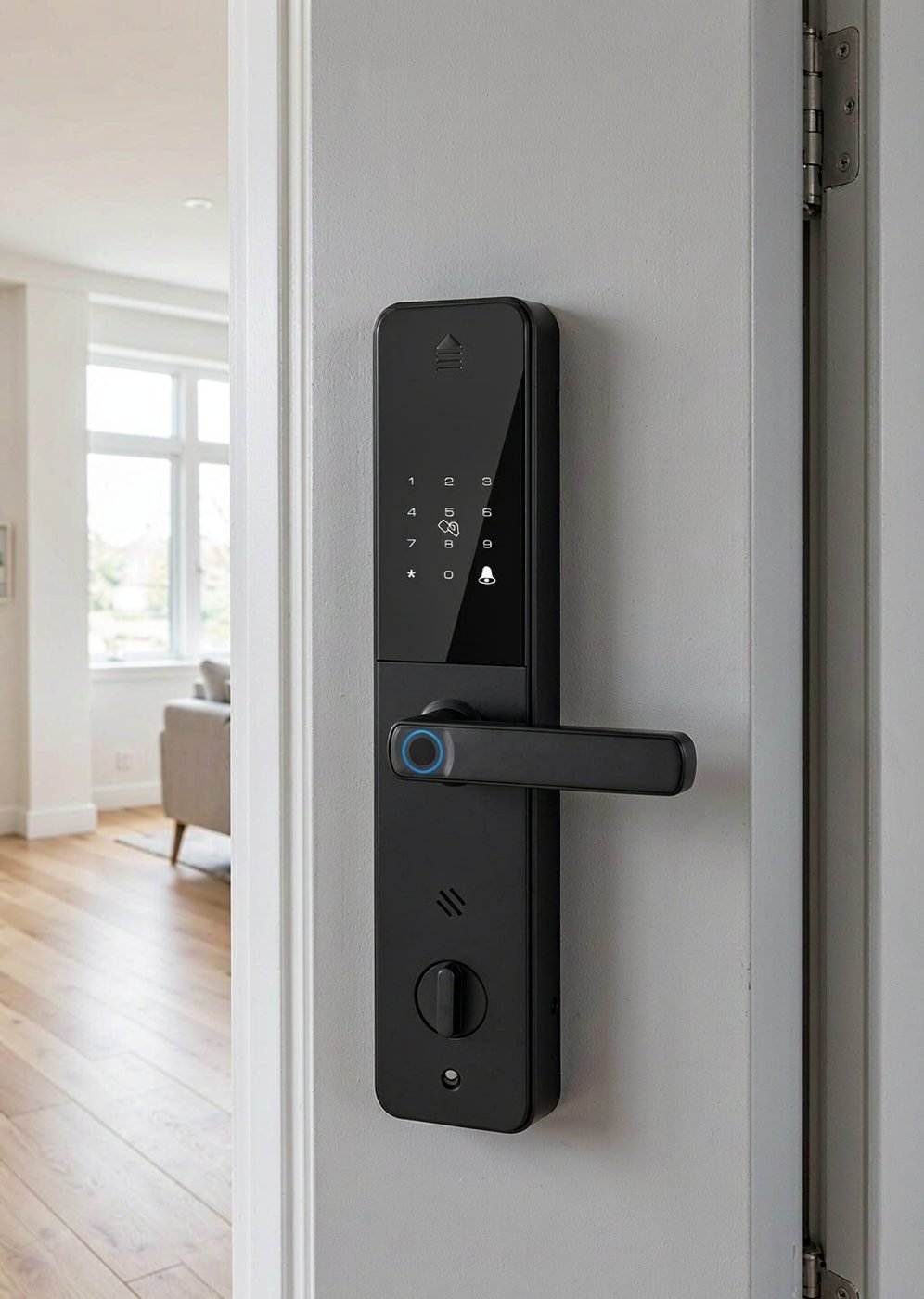
Tell us your market and the family profiles your buyers serve. CaremLock supplies documented deadbolt and smart ranges with the voice prompts, multiple methods and credential capacity an extended-family care routine depends on.
Or explore the deadbolt range and contact the team.