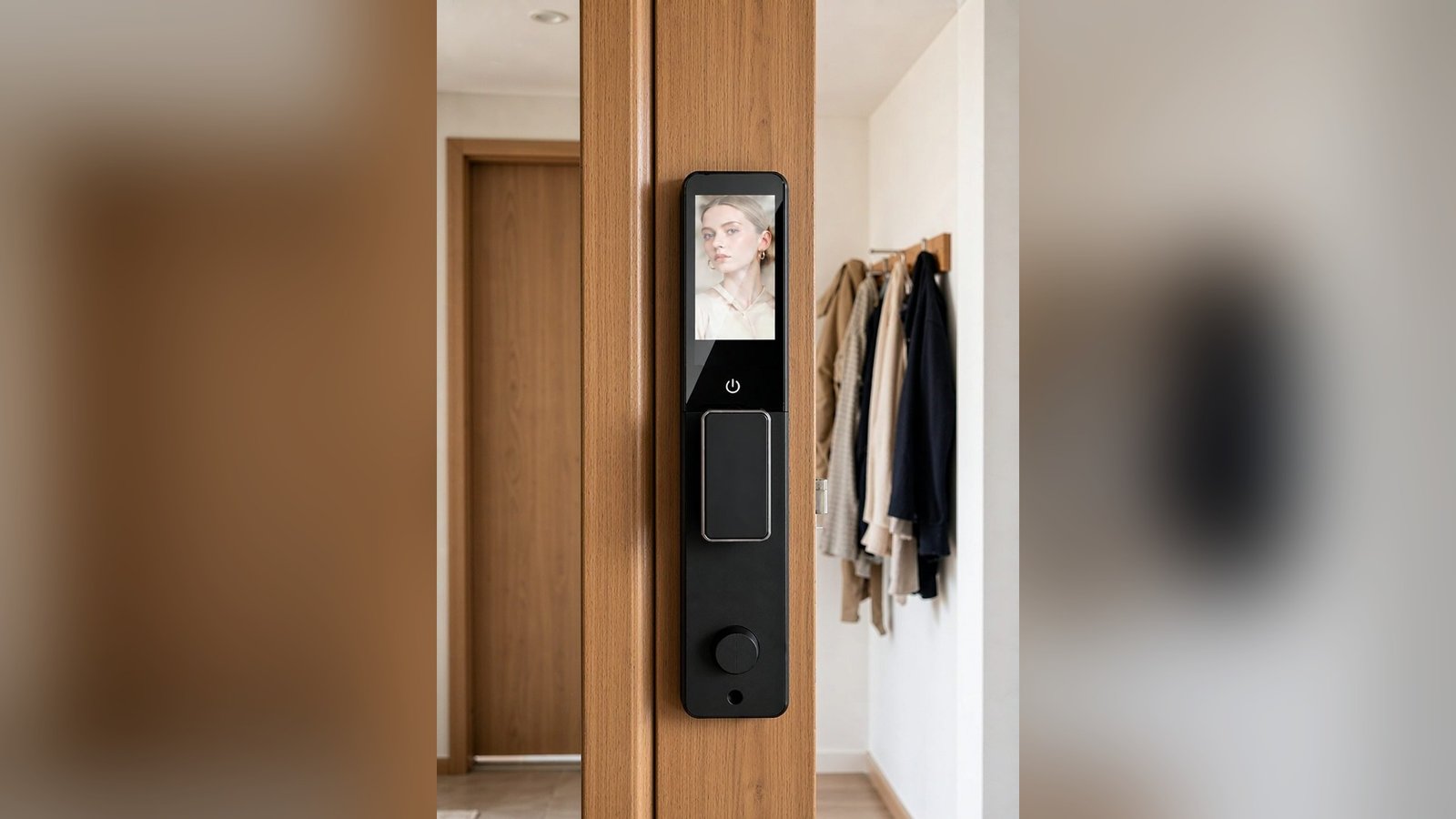
“Fully automatic” is one of those phrases in the smart lock world that sounds like marketing and actually describes hardware. This article takes one model from our range — the DDL1 — and opens up what its documentation actually says: what’s documented, what the numbers mean in daily use, and where a “fully automatic” lock fits in a project.
A note on method before we start: everything below is from the DDL1’s own authorized product documentation and its published model page. Where a value isn’t documented, it doesn’t appear here. That’s the standard we hold for ourselves, and it’s the standard worth holding when you compare any two locks.
The documented spec sheet, read line by line
Two of those lines deserve more than a glance, because they shape the whole experience:
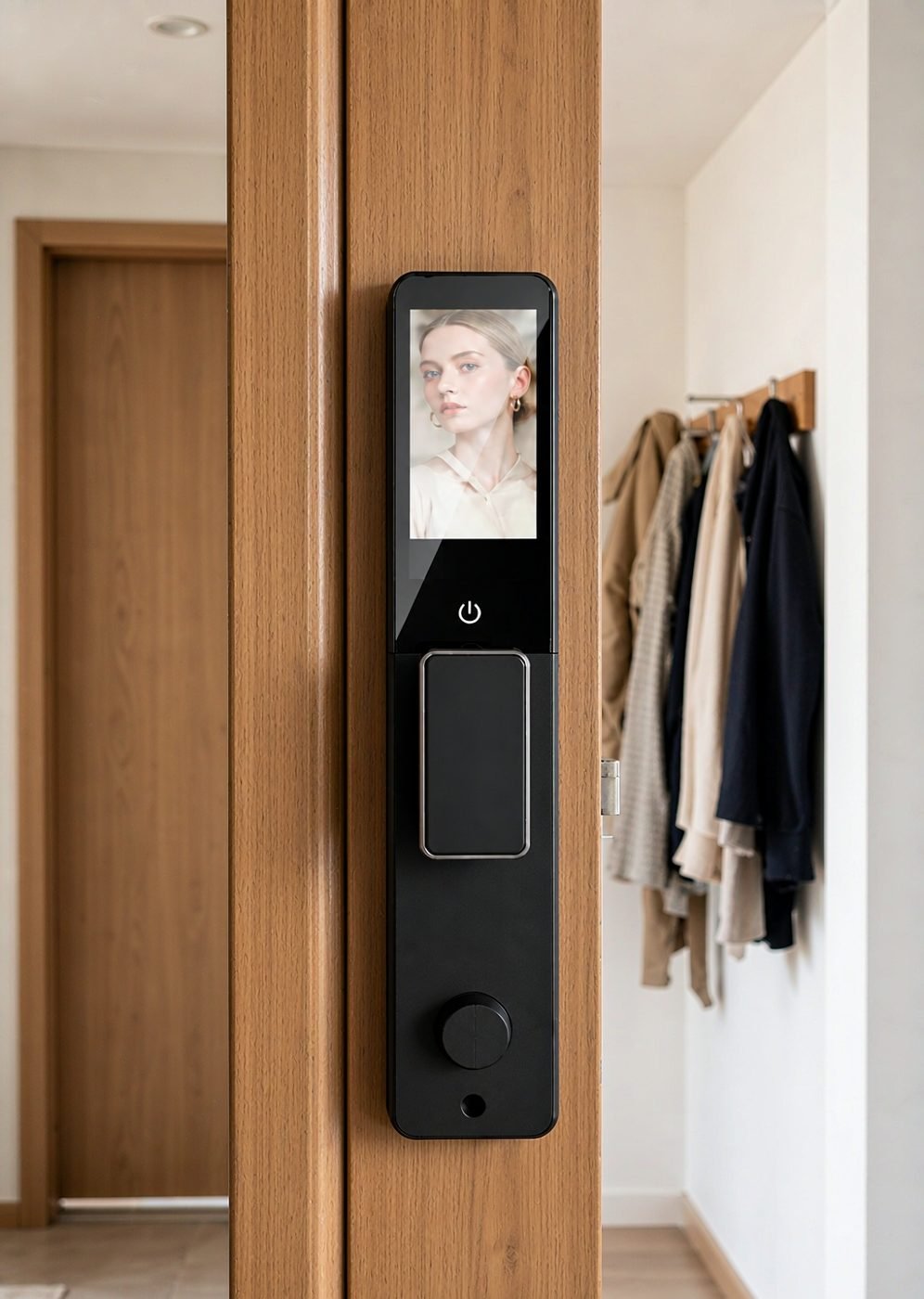
- CNC aluminum and tempered glass are a durability and finish story at once. A CNC-machined body produces the precise, dense feel that distinguishes an instrument from a gadget; tempered glass gives the panel a hard, clean surface with the depth that reads well on modern doors. It’s also why this model photographs the way it does — the material is doing the design work.
- The 4200mAh pack with Type-C fast charging is the practical heart of the daily routine. A rechargeable battery in that capacity class means the charging question becomes an occasional five-minute event via the cable everyone already owns, rather than a supply of disposables to manage.
Seven ways in — and who uses which
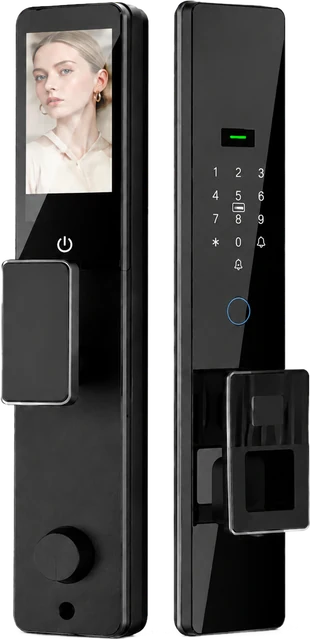
The DDL1’s documentation lists palm vein, face, fingerprint, password, IC card, mechanical key, and app access. That’s a wide set, and the interesting reading isn’t “many features” — it’s how the set covers different people in one household or project:
The seven methods, mapped to the moment
- Contactless biometrics (palm vein, face): nothing to touch and nothing to carry — the fastest path for a resident arriving with hands full, and a comfortable one for anyone who dislikes fingerprint contact.
- Fingerprint: the familiar one-touch standard; documented capacity is 50 groups.
- Password and IC card: both documented at 100 groups each — enough to cover family, regular visitors, and — on projects — staff or service access, each on their own credential.
- Mechanical key: the permanent fallback; the layer that makes every electronic conversation survivable.
- App access: the management layer more than the daily one — documented user administration includes 3 administrator groups and 297 normal users, so the person running the household (or the property) works from the app, while daily entry stays physical.
Capacities as a design statement
The capacities above tell you who the lock was designed for. 50 palm vein groups, 50 face groups, 100 fingerprints, 100 passwords, 100 cards, 3 admins, 297 normal users — that is a household’s daily life plus a project’s worth of periodic users, in one lock. For a distributor, that matters as a single line in a catalog: this model can serve a large family home and a serviced apartment without changing families.
For a villa owner, the reading is simpler: every family member gets their own credential, the regular helpers get their own temporary ones, and the management screen holds the difference between those two categories — which is precisely the difference a household eventually needs.
Remote connection, stated precisely
The DDL1’s documented wireless protocol line reads: TTLock BLE / Tuya WiFi / Zigbee (option). That sentence is doing three useful things for a project buyer — it names the platforms at all (instead of implying an ecosystem), and it marks which of them is an option versus a base capability. The honest caution that follows from it: platform compatibility choices are made at the purchase configuration, not after installation, and the documentation for the specific order is what governs. If remote management is central to your project — rental check-ins, staff access — tell us the platform you run and we’ll confirm against the document.
What we deliberately do not do here is multiply the numbers: we’re not going to state a camera resolution beyond its documented line, claim recognition speeds, or rate the display beyond its size. Those figures are either in the document or they’re not our claim to make.
Where a fully automatic lock earns its place
Automatic vs semi-automatic is a real design distinction, and the DDL1’s class fits specific situations particularly well:
- Hands-full households. Arriving with a child and groceries rewards the lock that needs least contact: a face or palm and you’re in — five of its seven methods require no physical object.
- Premium residential and hospitality. The material story and screen are part of the entrance’s appearance, not hidden inside; the model’s documentation positions it for residential homes, apartments, and projects.
- Projects with diversified users. Admin/normal-user layering and the credential capacities make it a management tool as much as a lock — exactly what serviced apartments and staffed properties ask for.
Common questions
What does “fully automatic” actually mean on this model?
The documentation names the model class as “fully automatic smart lock”. For the specific mechanical details behind that classification, we answer from the model documentation on request — we don’t extrapolate the term into mechanism claims in an article, and we’d advise the same precision when reading any competitor’s spec sheet.
Can it handle a family and rental guests at once?
The documented capacities (100 passwords, 100 cards, 297 normal users, 3 admins) are comfortably past a household’s needs, so the pattern is available: family on biometrics, guests on time-bound credentials, admins managing both. The exact guest workflow depends on the platform configuration — confirm against the document for your order.
Is the rechargeable battery a problem for remote sites?
It’s a planning item, not a problem: 4200mAh with Type-C charging means the routine is a periodic charge with a standard cable. For projects, that belongs in the maintenance plan (who charges, on what cadence) just like any other recurring task — our battery guide covers the household version of the same plan.
Considering the DDL1 for a project or your catalog?
Tell us your market, volumes, and door types. We’ll provide the model documentation, configuration options, and project pricing — from the sheet, not from marketing.
Or explore the DDL1 model page and contact the team.