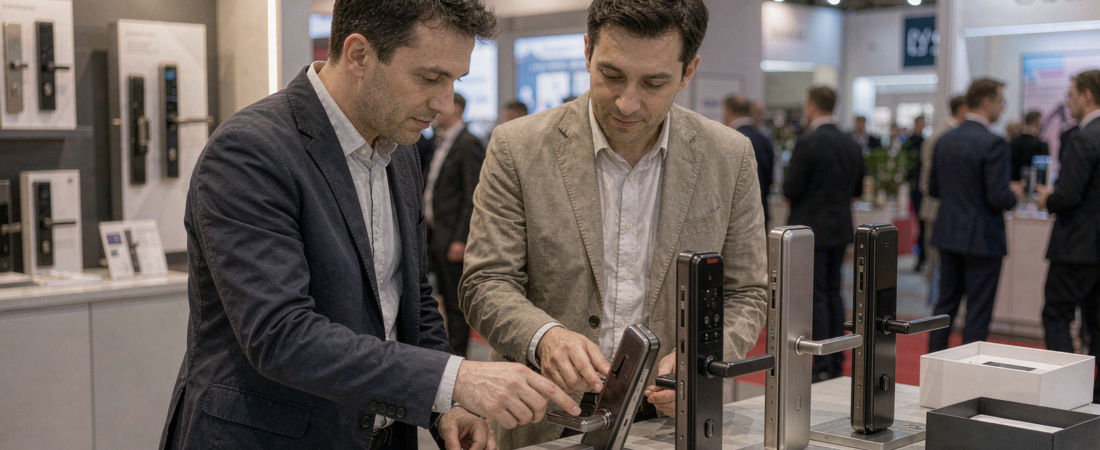
Choosing a smart lock OEM or ODM manufacturer is not a one-time purchase decision — it shapes your product, your brand, and your after-sales load for years. For distributors, importers, system integrators, wholesalers, private-label buyers, and project procurement teams, the difference between a smooth partnership and a costly one usually comes down to what you evaluate before signing.
This guide walks through the points that matter most when selecting a smart lock OEM/ODM partner: the OEM vs ODM models, what can be customized, product and compatibility fit, software, quality control, samples, production, after-sales, and the mistakes buyers most often make.
1. OEM vs ODM: What the Two Models Mean
The terms are used loosely, but they describe different divisions of work between you and the factory.
OEM — build to your specification
Original Equipment Manufacturing means the manufacturer produces a lock to your defined specification: your housing, your branding, your required unlock methods and hardware. You own more of the product definition and typically carry more of the development responsibility.
ODM — adapt an existing design
Original Design Manufacturing means you start from the manufacturer’s existing, proven design and adapt it — logo, packaging, firmware skin, and selected feature options. Time to market is usually faster because the core engineering is already validated.
Which model fits your business
Private-label distributors who want speed and lower upfront cost often start with ODM. Buyers with a defined product vision or exclusive hardware requirements usually need OEM. Many partnerships blend both: ODM for the first launch, OEM for a later exclusive model.
2. What Can Be Customized
Customization scope decides how much the final product looks and behaves like your brand versus the factory’s standard catalog.
Branding: logo, packaging, documentation
At minimum, most programs cover logo printing, custom retail or bulk packaging, and branded manuals or labels. Confirm where the logo is applied (lock body, box, app splash) and what the minimum artwork requirements are.
Firmware and app: white-label considerations
Some manufacturers offer a white-label app or configurable firmware; others only support their own branded app. If your customers expect your brand in the app store, confirm this early — it affects development effort and timeline.
Model exclusivity and tooling
If you want a model reserved for your market, ask about exclusivity terms, tooling ownership, and whether the mold or firmware is shared with other clients. Exclusivity is a commercial clause and belongs in the agreement, not left implicit.
3. Product Selection for Your Market
A broad catalog is only useful if the models match the doors and buyers you serve.
Lock types and use cases
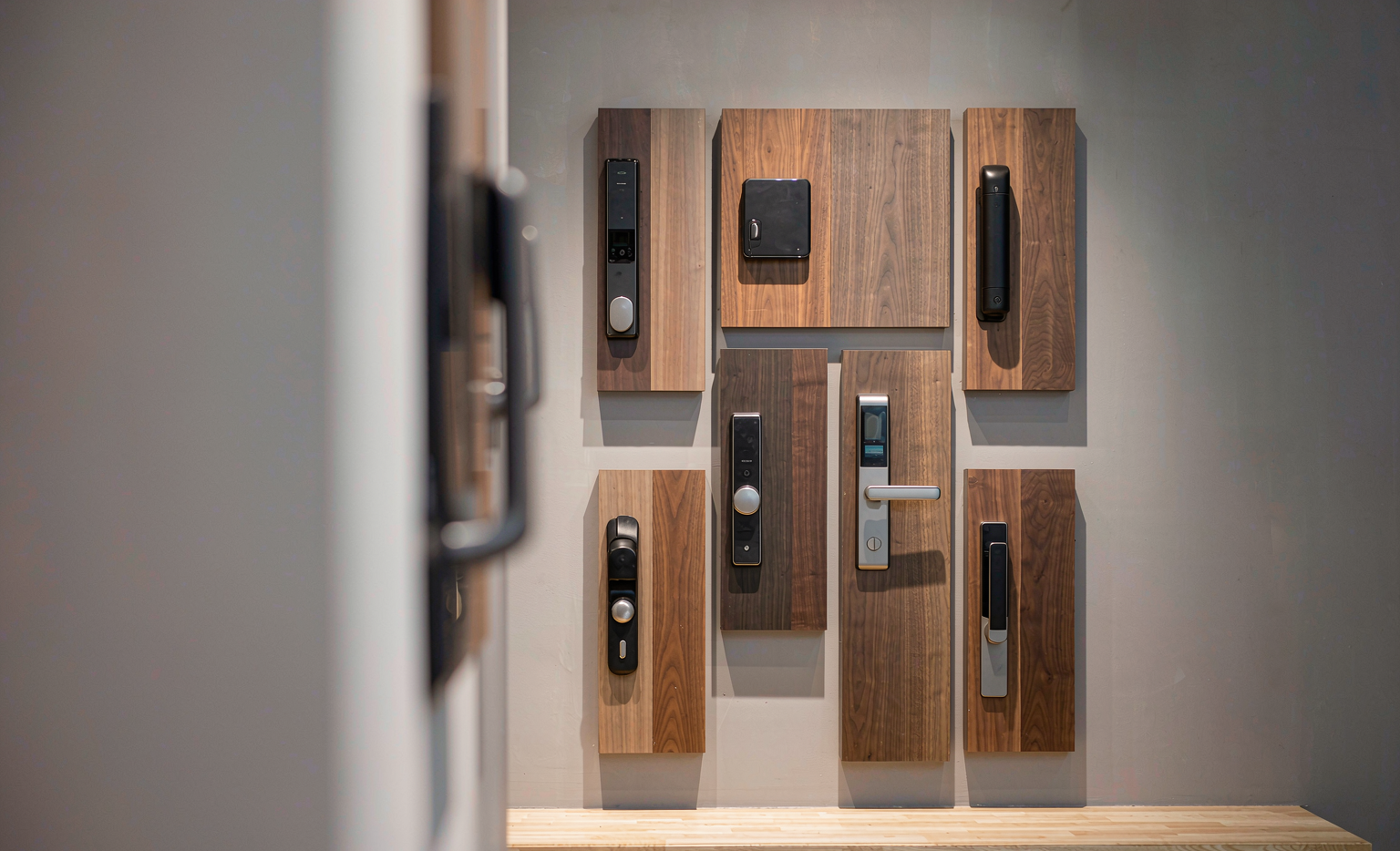
Map the catalog to your segments: residential, apartment and multi-family, hotel and hospitality, office and commercial, and rental management each favor different lock families. Our fully automatic smart lock series and semi-automatic range cover different price and feature tiers, so confirm which lines fit your channel.
Matching the catalog to your customers
Ask for a product matrix that lists unlock methods, connectivity, and door compatibility per model. A clear matrix lets your sales team quote accurately instead of guessing per inquiry.
4. Door and Hardware Compatibility
Compatibility is where most field failures originate, so it should be part of supplier evaluation, not an afterthought.
Door material, thickness and backset
Wood, steel, aluminum, and glass doors need different lock bodies and installation hardware. Confirm the supported door-thickness range and backset, and request the measurement guide the factory uses so your installers collect the right data.
Mortise and lock body standards
If your market uses a specific mortise standard, verify the manufacturer can supply matching lock bodies or adapters. Mismatched mortise pockets are one of the most expensive mistakes to fix on site.
5. Software and App Considerations
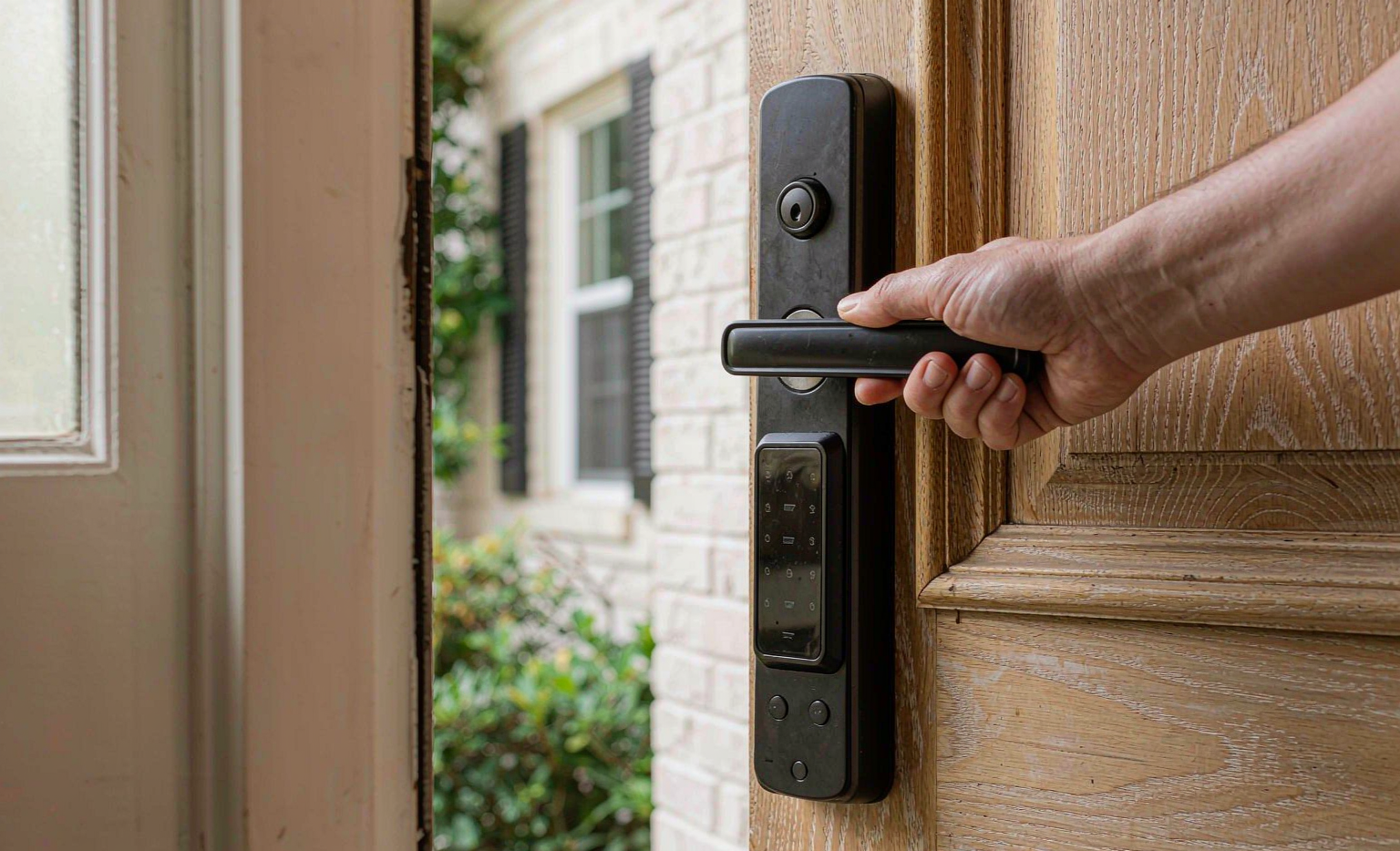
For connected locks, the software layer is part of the product, not an add-on.
Connectivity and management platform
Decide what “connected” means for your project: Bluetooth-only, Wi-Fi, gateway, or a centralized management platform. For multi-site or multi-door deployments, our smart lock solutions cover planning and management, and you should confirm which management features are included versus optional.
Data, updates and integration
Ask how firmware updates are delivered, whether audit logs are stored locally or in the cloud, and whether the system integrates with third-party platforms you already use. These answers affect both your support load and your customers’ compliance needs.
6. Quality Control and Certificates
QC process and certification scope protect you when units reach your customers.
What to ask for in a QC process
Request the factory’s inspection steps: incoming material checks, in-process testing, functional testing of each unit, and pre-shipment inspection. Ask whether third-party inspection is supported and at what stage it is allowed.
Certifications for your target market
Different markets require different marks. List the certificates your destination market expects, then confirm with the supplier which they currently hold and which the program must add. Specific certificate coverage should be confirmed directly with the manufacturer rather than assumed.
7. Samples and Trial Orders
A sample is the cheapest way to validate a partnership before committing volume.
Why a paid sample batch matters
A paid sample or small trial order shows you the real product, the real packaging, and the real lead time — not a showroom unit. It also tests the factory’s responsiveness on a small scale.
What to test before mass production
Validate fit on your target door types, run the unlock methods your customers will use, and exercise the app or management platform. Document failures and confirm they are resolved before scaling the order.
8. Production and Delivery Considerations
Commercial terms are easier to align in writing than in follow-up calls.
Lead time, MOQ and production planning
Minimum order quantity, sample policy, and mass-production lead time vary by supplier and by model. State your expected cadence and ask the manufacturer to confirm the numbers that apply to your program. Treat any unconfirmed figure as a discussion point, not a commitment.
Logistics and documentation
Confirm incoterms, the documents provided (commercial invoice, packing list, certificates), and how batch traceability is handled. Clear documentation reduces customs and warranty friction later.
9. After-Sales Support
After-sales is where private-label programs succeed or quietly fail.
Warranty and spare parts
Clarify the warranty period and what it covers, the spare-parts policy, and how defective units are handled (return, replacement, or local repair). Warranty terms should be confirmed with the supplier and written into the agreement.
Technical support and training
Ask what support the manufacturer provides to your team: installation guides, training material, and escalation paths for technical issues. The strength of this support directly affects your own support cost.
10. How to Evaluate a Supplier
A structured check beats a good sales conversation.
A practical evaluation checklist
Supplier evaluation — key questions
- Which OEM/ODM models do they support, and what is the customization boundary?
- What are the supported door types, thickness range, and backset?
- Which connectivity and management platform options are available?
- What QC steps and inspection access are offered?
- Which certifications does the program cover for your market?
- What are the MOQ, sample policy, and lead time for your models?
- What warranty, spare-parts, and technical-support terms apply?
- Can they provide references or case studies in your segment?
Red flags to watch
Be cautious about vague answers on certifications, refusal to share a clear QC process, unwillingness to provide a sample, or pressure to commit volume before you have tested a unit. These often signal problems that surface after the order ships.
11. Common Procurement Mistakes
Most expensive errors are predictable:
Mistakes distributors should avoid
- Choosing on unit price alone and ignoring after-sales and spare-parts cost.
- Skipping the sample stage and discovering compatibility issues at mass production.
- Assuming certification coverage instead of confirming it for the target market.
- Leaving model exclusivity and tooling ownership out of the written agreement.
- Treating software and app support as an afterthought until customers complain.
12. CaremLock OEM/ODM Support
CaremLock works with distributors, importers, and private-label buyers across residential, apartment, hotel, and commercial segments. For branding, logo customization is available for CaremLock OEM/ODM programs. Any broader customization scope is confirmed per program with our team.
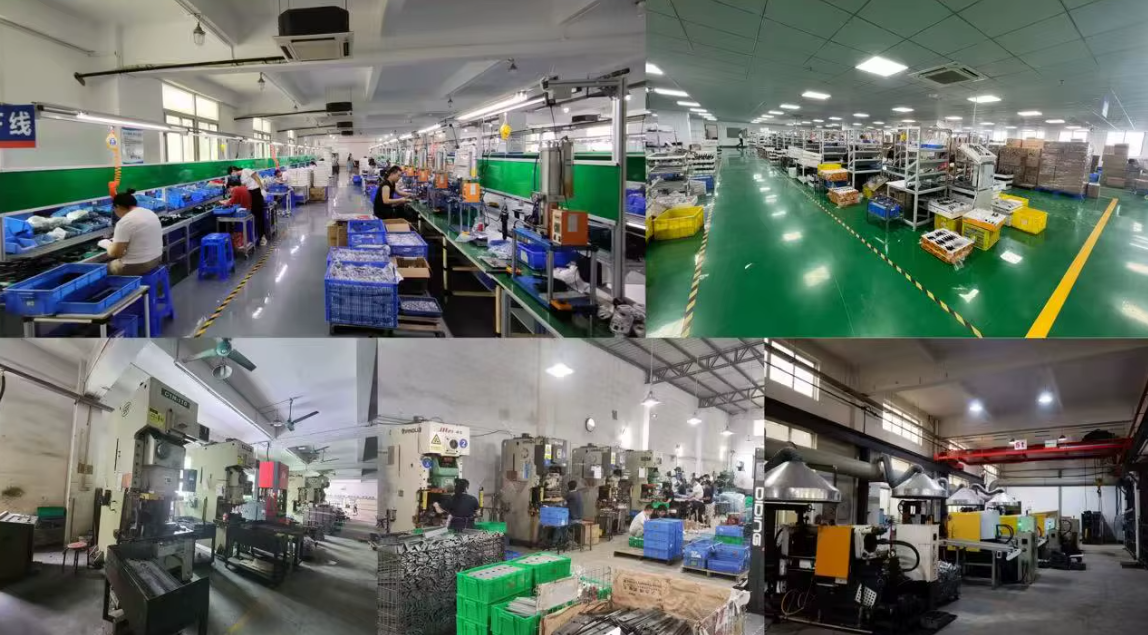
Specific capabilities — including customization scope, supported models, certification coverage, MOQ, lead time, and warranty terms — vary by program and should be confirmed directly with our team. The fastest way to get an answer matched to your market is to send your requirements through our OEM/ODM page or our quote request form. Our factory overview outlines production context you can reference during evaluation.
13. Frequently Asked Questions
OEM or ODM — which should I start with?
If you need speed and lower upfront cost, start with ODM on a proven design. Move to OEM when you have a defined hardware or feature requirement worth exclusive development.
Can I get a sample before a volume order?
A paid sample or trial batch is the recommended first step for any private-label program. It validates the product, packaging, and lead time before you commit volume.
How do I confirm certifications for my market?
List the marks your market requires and confirm coverage with the manufacturer in writing. Do not assume a certificate applies until it is verified for your specific destination.
What about after-sales and spare parts?
Confirm the warranty period, spare-parts policy, and technical-support model before signing. These terms should be part of the agreement, not left for later discussion.
Discuss Your Smart Lock OEM/ODM Program
Send your target market, product direction, and volume expectations, and we will outline a customization and delivery approach that fits your business.
Prefer to talk first? Reach our team at Contact Us.