How to Choose Smart Locks for Apartments and Multi-Family Projects
Choosing a smart lock for one home is a consumer decision. Choosing smart locks for an apartment building or a multi-family development is a project decision.
In a multi-family project, the same lock may be installed on dozens, hundreds or even thousands of doors. Every choice you make — the unlocking method, the access platform, the installation standard and the supplier — is multiplied across the whole property. A small mistake at the sample stage becomes a large problem at rollout.
This guide walks through how property developers, apartment operators and distribution buyers can approach smart lock selection for apartment and multi-family projects, from mapping the doors to evaluating the supplier.
1. Start by Mapping the Doors in Your Project
Most multi-family projects involve more than one type of door, and each type has a different access requirement. Before looking at any lock model, list every door category in the project.
- Unit doors — the front door of each apartment, usually the largest quantity in the project
- Building main entrances — lobby or entrance doors shared by all residents, with the highest traffic and the most security exposure
- Amenity doors — gyms, pools, co-working spaces, storage rooms, parking entrances
- Service and staff doors — maintenance rooms, utility rooms and staff-only access points
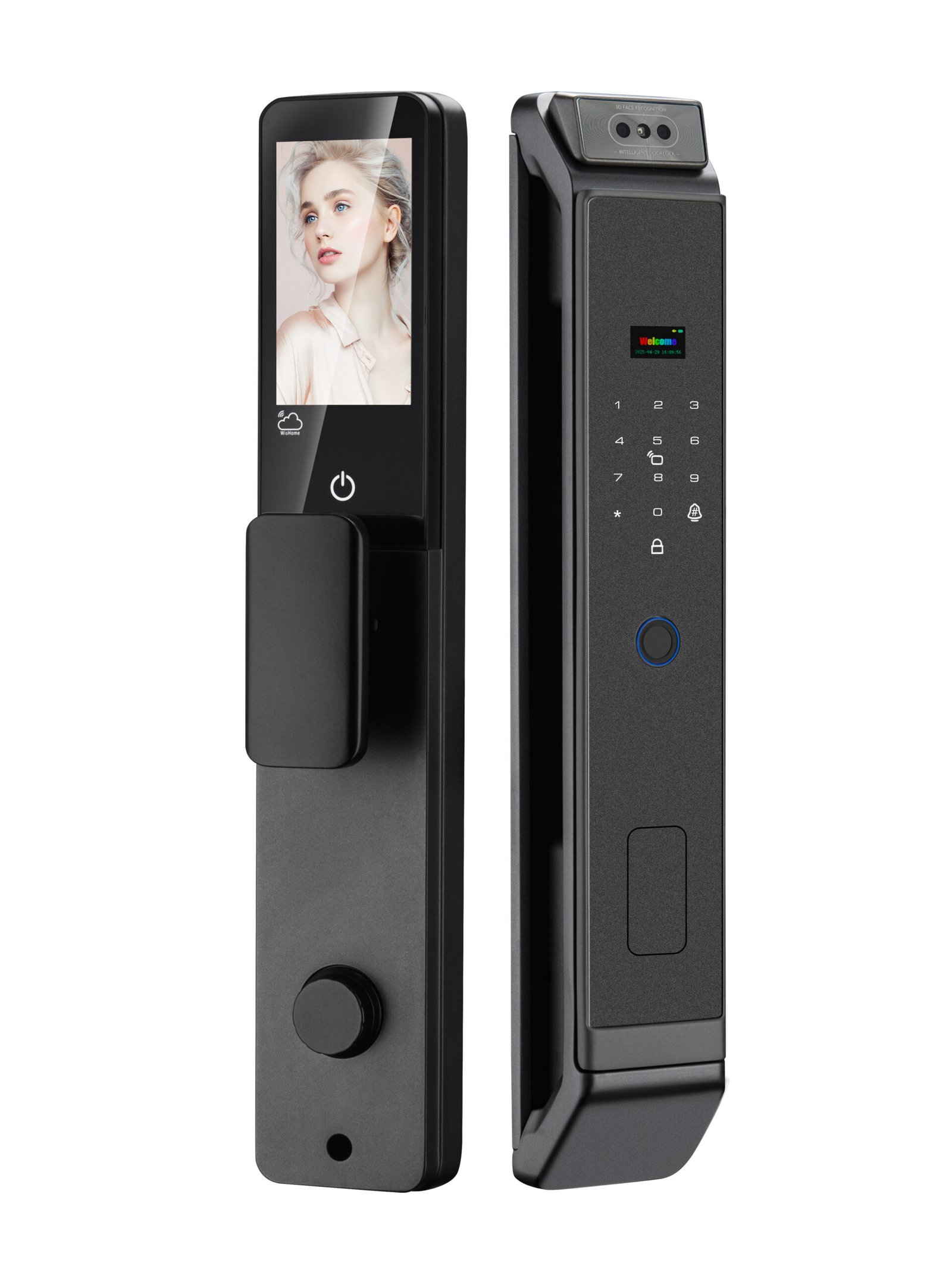
Each door category usually needs a different lock configuration. A common pattern in multi-family projects is a tiered configuration: advanced locks with face recognition or video intercom on main entrances, and practical fingerprint-and-password locks on unit doors. This balances resident experience with project budget.
2. Match the Lock Type to Each Door
Once the doors are mapped, the unlocking method can be matched to each door’s usage pattern.
Unit Doors: Practical, Reliable, Multi-Method
Unit doors are opened many times a day by residents and occasionally by property staff or maintenance. The most common configuration for unit doors combines:
- Fingerprint for daily resident access
- Password or app-based access for guests and temporary needs
- IC card as an alternative credential
- Mechanical key as the emergency backup required by most building codes
The fingerprint-plus-password combination remains the most cost-effective choice for large quantities of unit doors, and it is familiar to both residents and property staff.
Main Entrances: Hands-Free and Visitor Management
The building main entrance is the face of the property and its busiest access point. Residents often arrive with groceries, children or luggage, and visitors, couriers and delivery staff need a way to request access.
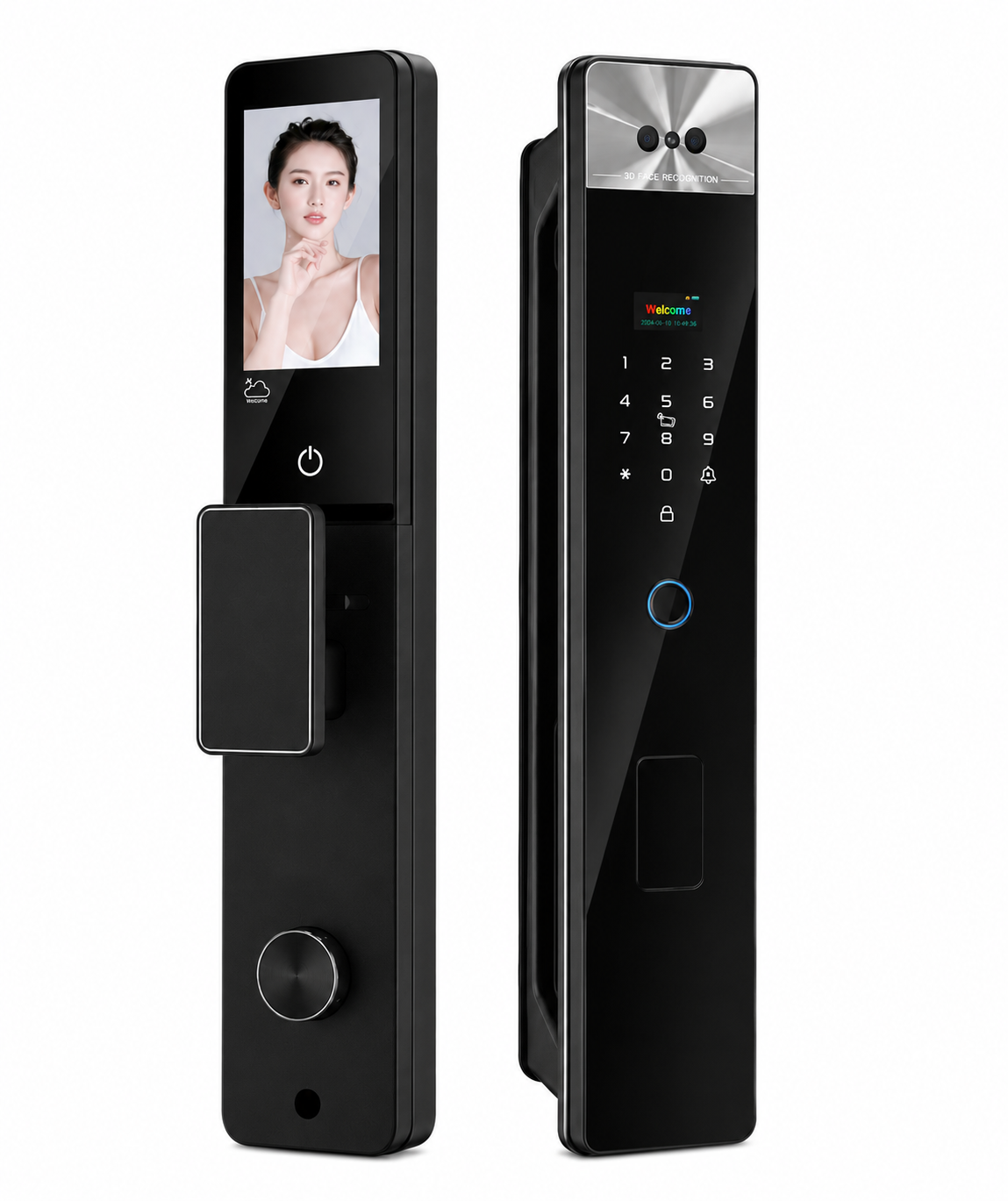
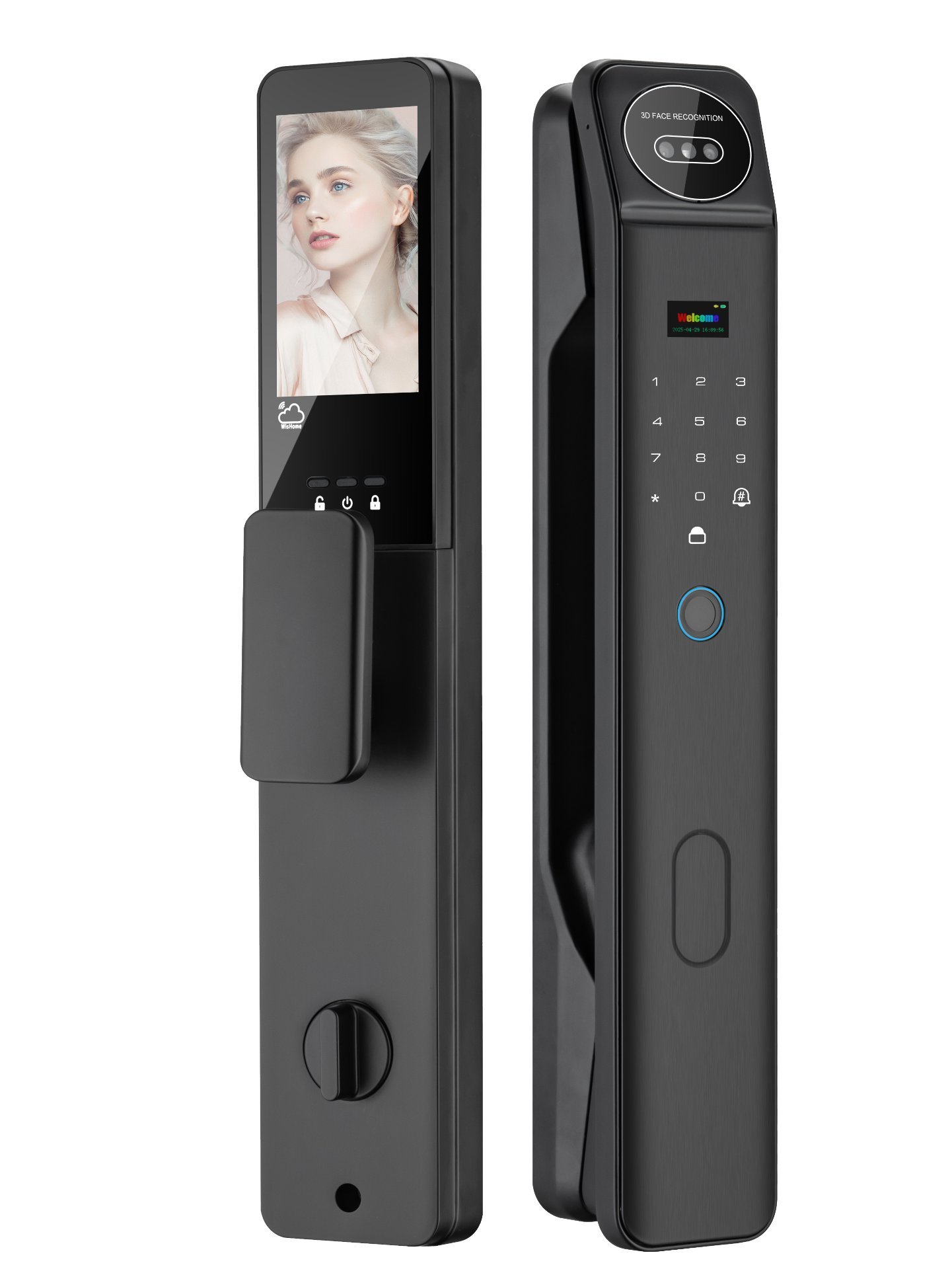
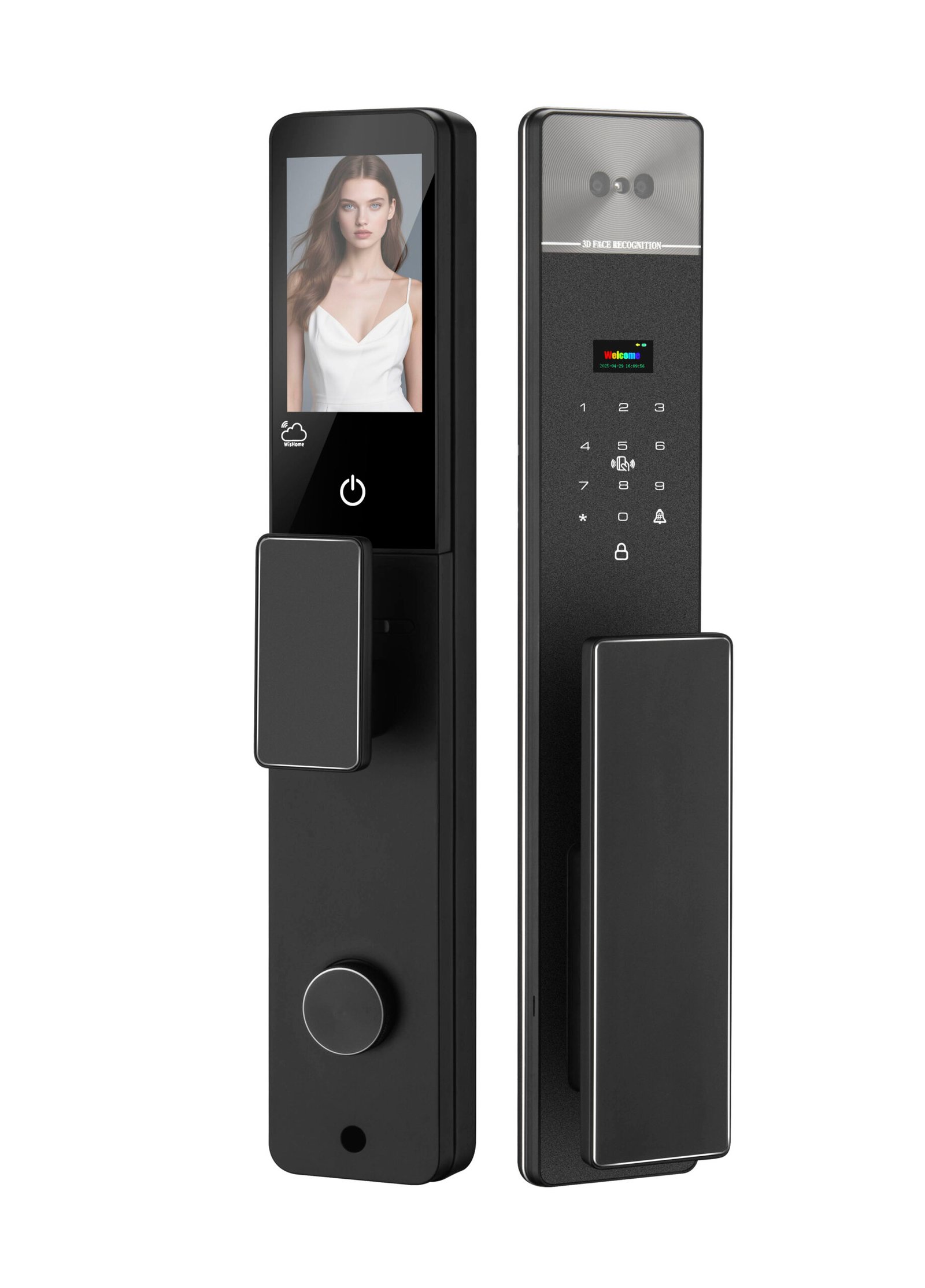
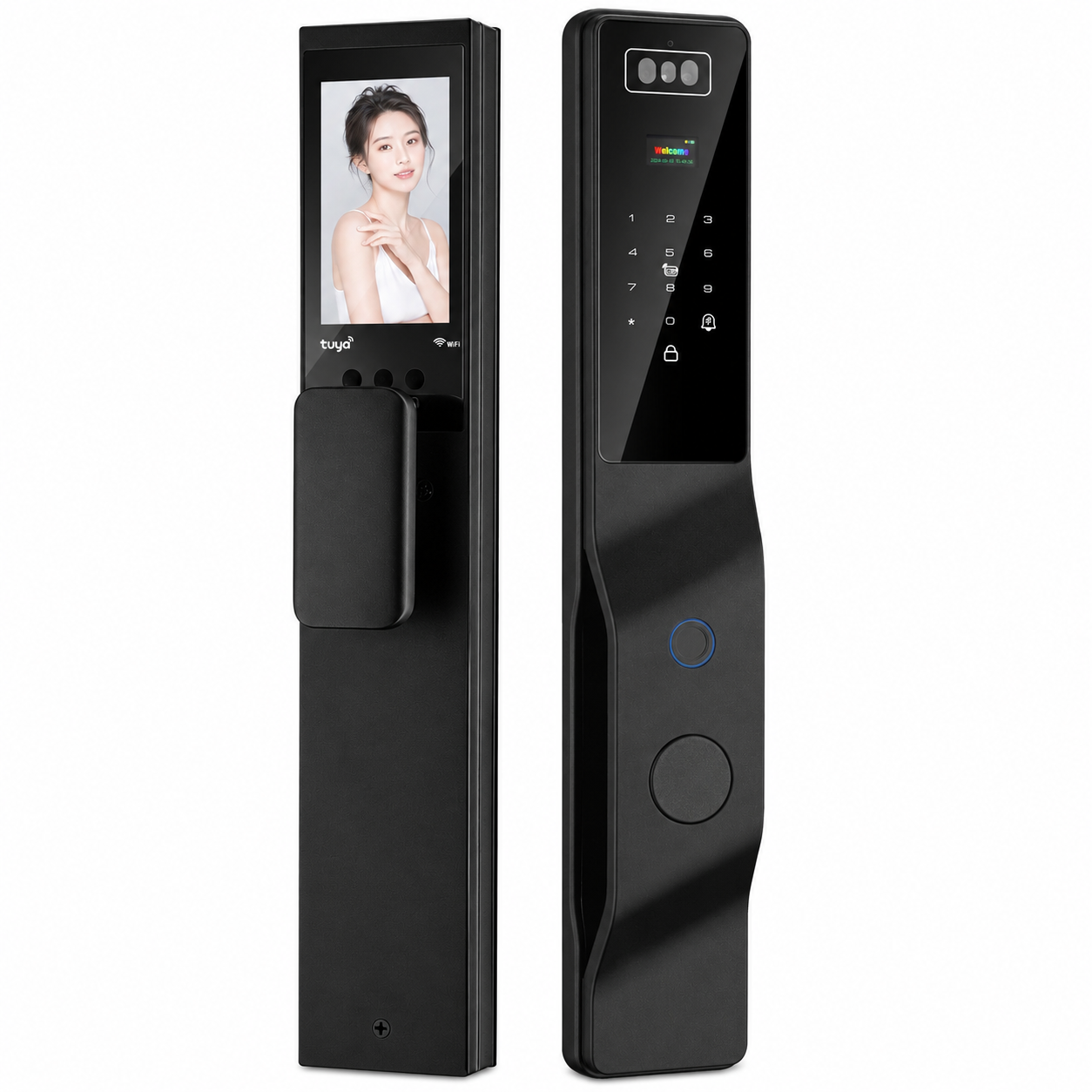
This is where 3D face recognition and video intercom locks add the most value:
- 3D face recognition opens the door hands-free as residents approach, without contact or credentials
- Video intercom lets residents see and admit visitors from their unit or phone
- Remote unlocking allows property staff to grant access to couriers and service providers
- For exposed or semi-outdoor entrances, a weatherproof housing protects the lock from rain and dust
Amenity and Service Doors: Access Control by Group
Gyms, pools and co-working spaces usually need time-based or membership-based access, while service doors are better restricted to staff credentials. Locks that support credential groups, temporary codes and scheduled access fit these doors. The exact access-control capability depends on the model and platform, so it should be confirmed against your property management requirements before ordering.
3. Plan User Management at Scale
The biggest operational difference between a home smart lock and a project smart lock is user turnover.
In a rental apartment, tenants move in and out constantly. In a condominium, ownership changes hands. Property managers need to add, remove and audit access without visiting each door. When evaluating smart locks for a project, consider:
- Credential lifecycle — how quickly a departing tenant’s fingerprints, codes and cards can be removed
- Centralized management — whether locks can be managed from one platform instead of door by door
- Temporary access — time-limited codes for cleaning staff, contractors and short-term rentals
- Audit trail — records of who opened which door and when, useful for incident review
- Credential capacity — whether the lock can store enough users for shared entrances
Tip: Decide early whether the project will manage locks through an app, a gateway-connected platform or on-lock administration. This decision affects which lock models are compatible and how property staff will work day to day.
4. Durability and Environment
A lock that is opened hundreds of times a day at a main entrance wears differently from a unit door lock opened a few dozen times. Entrances that face the weather need additional protection.
For semi-outdoor entrances, lobbies without climate control, and coastal or high-humidity locations, weatherproof lock models are the safer choice. CaremLock’s DDL series, for example, includes a waterproof model designed for exposed installation environments.
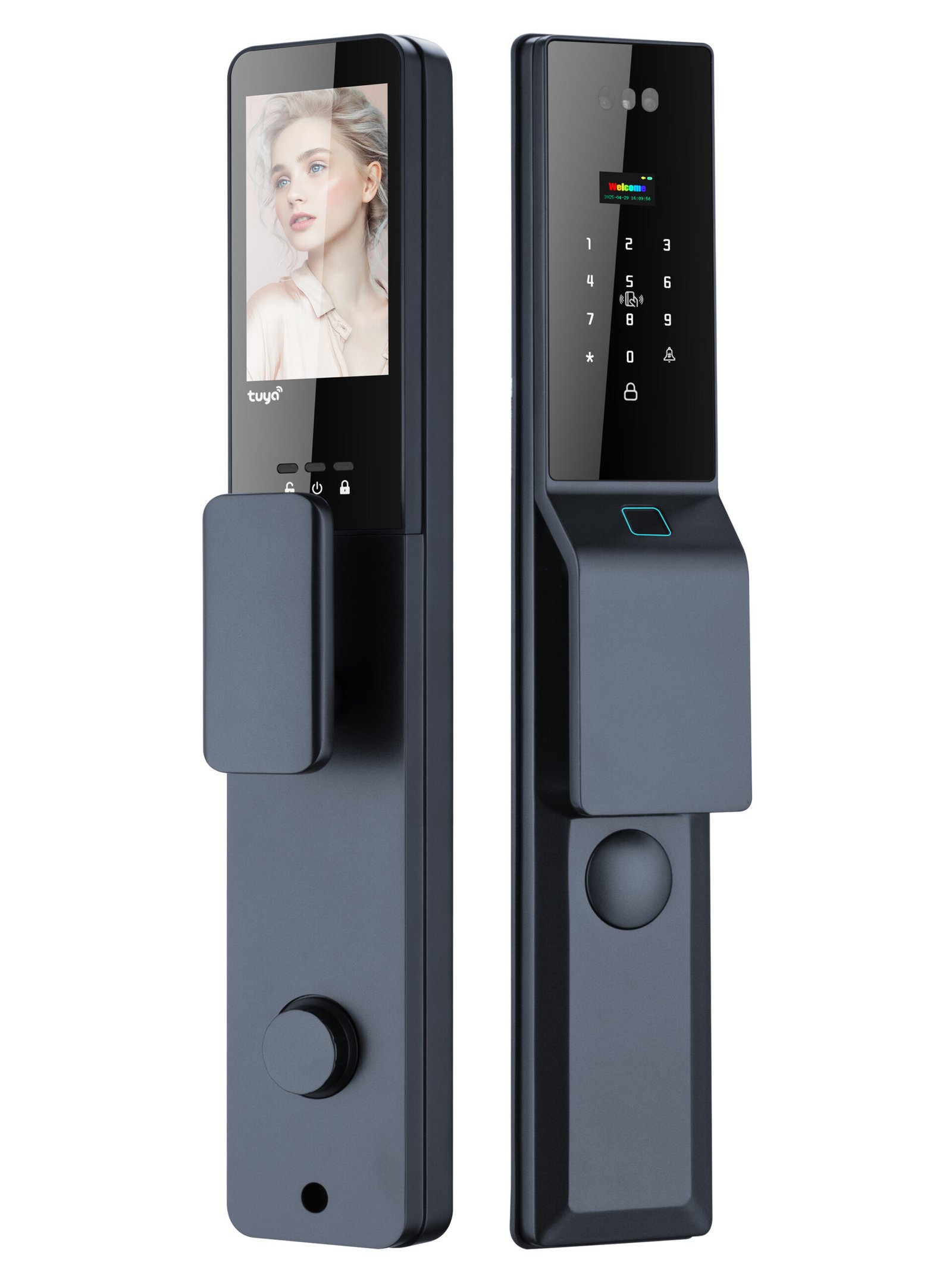
For battery-operated locks, also consider how batteries are charged or replaced across hundreds of doors, and whether the lock retains a mechanical key override for power failures. Charging and maintenance procedures should be planned before rollout, not discovered after it.
5. Installation Consistency for Bulk Orders
Installing five locks is a task. Installing five hundred is a process. The most common failure mode in multi-family projects is inconsistency: doors prepared differently, locks installed at different standards, and no single responsible installation procedure.
Before placing a bulk order, confirm:
- Door specifications — thickness range, opening direction, and whether the door can accept the lock’s fitting requirements; collect this information for every door type in the project
- Samples first — install samples on the actual project doors before committing to the full order
- One installation standard — a written installation procedure so every door is fitted the same way
- Acceptance checklist — a per-door test plan covering every unlocking method before handover
6. Confirm the Platform Before the Bulk Order
Smart locks are only as manageable as the platform behind them. For a multi-family project, the platform determines how property staff administer access, how residents use the app, and how the system behaves as the property scales.
Before ordering, confirm with the supplier:
- Which app or platform the locks work with, and whether it is suitable for property-wide management
- Whether internet connectivity or a gateway is required for remote management, and what infrastructure the building needs
- How the platform handles different user roles — residents, property staff, administrators
- What happens to locks and credentials if the property changes management companies
These points vary by model and platform configuration, so they should be confirmed for the specific models in your project rather than assumed from marketing material.
7. Evaluate the Supplier, Not Just the Lock
In a multi-family project, the lock supplier is a long-term partner. Beyond the product itself, evaluate:
| Factor | What to Check |
|---|---|
| Manufacturing capability | Whether the manufacturer can deliver the full project quantity on schedule and maintain consistent quality across batches |
| OEM / ODM support | Whether branding, packaging and customization are available for developers and distributors building their own product lines |
| After-sales policy | Warranty terms, spare parts availability, and the process for replacing defective units across a large installed base |
| Documentation | Installation manuals, user guides and app documentation in the languages your property teams and residents need |
| Responsiveness | How quickly the supplier answers technical questions during evaluation — it predicts support quality after purchase |
Requesting samples, testing them on real project doors, and checking references from comparable projects are the most reliable ways to validate a supplier before committing to a bulk order.
8. Smart Locks Across the CaremLock DDL Series
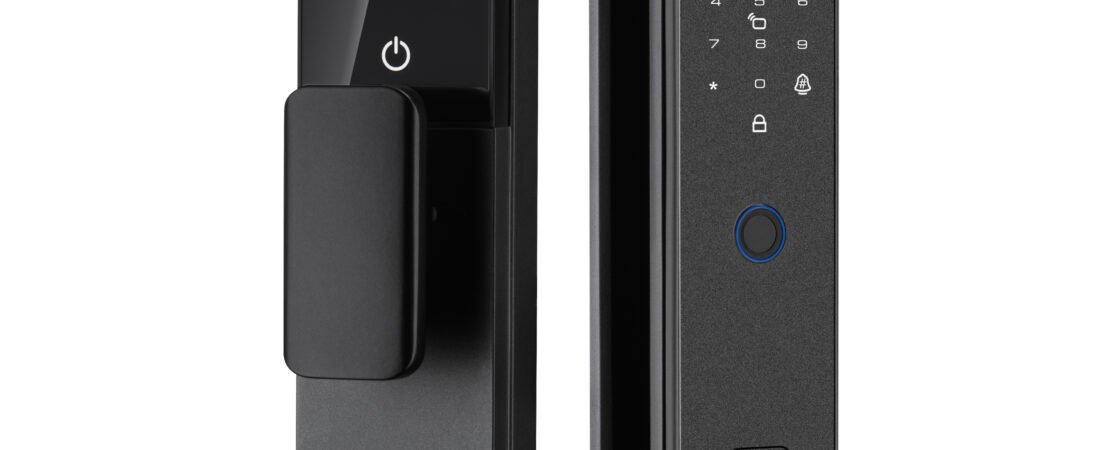
CaremLock manufactures a full range of smart locks for residential and commercial projects, supporting OEM and ODM cooperation for developers, brands and distributors. The DDL series spans configurations from face recognition fully automatic locks to models combining 3D face recognition, palm vein authentication and video intercom, which can be matched to different door types within one multi-family project.
The exact configuration of each model should be confirmed with the product team for your project requirements.
Summary
Choosing smart locks for apartments and multi-family projects comes down to four decisions: mapping the door types, matching the unlocking method to each door, planning user management at scale, and selecting a supplier who can support the project from samples through rollout to after-sales.
A tiered configuration — advanced face recognition and video intercom locks on main entrances, practical fingerprint locks on unit doors — gives residents a premium experience while keeping the project budget under control.
Related guides: How to Choose a Smart Lock in 2026 and Fingerprint vs Face Recognition vs Palm Vein Smart Locks.
Planning an Apartment or Multi-Family Smart Lock Project?
Contact CaremLock with your project details — door types, unit quantity, timeline and management requirements.
Our team supports developers, apartment operators and distributors with model selection, samples, OEM/ODM customization and project pricing.