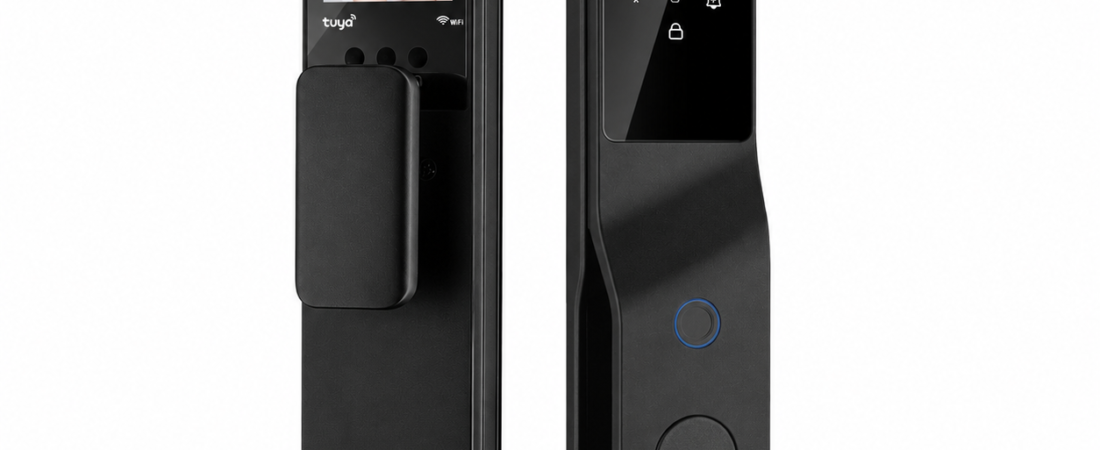
Fingerprint vs Face Recognition vs Palm Vein Smart Locks: Which Is Better?
Biometric unlocking is one of the biggest reasons people upgrade to a smart lock.
But “biometric” is not a single technology. The three most common biometric methods used in modern smart locks are fingerprint recognition, 3D face recognition and palm vein authentication — and they differ in how they read the body, where they work best and what they cost.
This guide compares fingerprint, face recognition and palm vein smart locks side by side, so homeowners, distributors and project buyers can choose the right biometric access method for their application.
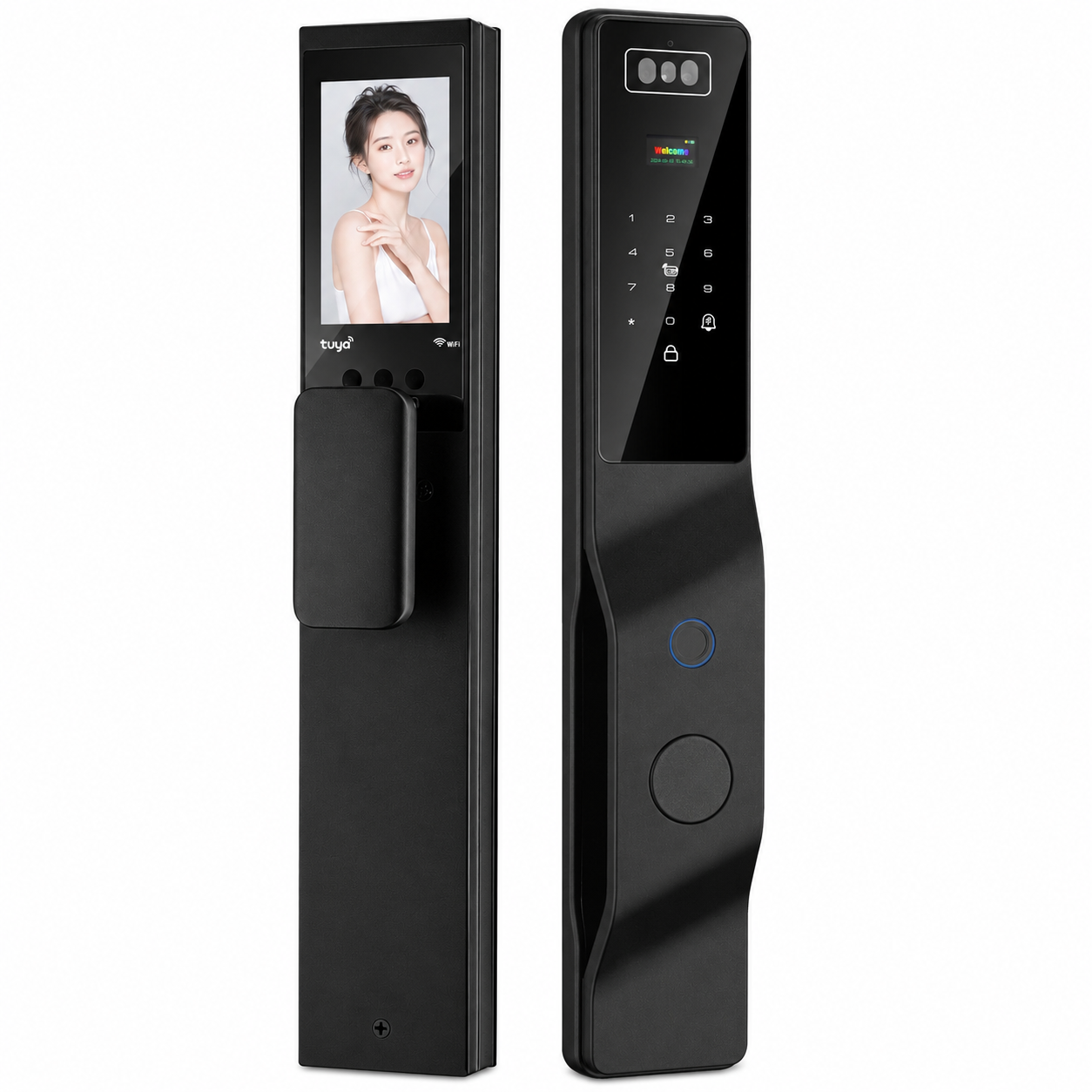
1. Fingerprint Smart Locks
Fingerprint recognition is the most widely used biometric method in residential smart locks.
The sensor reads the unique pattern of ridges and valleys on a finger and compares it to an enrolled template. If it matches, the lock opens.
How It Works
The user places a finger on the sensor. Most consumer smart locks use either an optical or capacitive sensor. Enrollment takes a few seconds per user, and a single lock can usually store multiple fingerprints for family members or staff.
Where Fingerprint Works Best
- Everyday home and apartment doors
- Rental properties with a moderate number of users
- Offices and small commercial entrances
- Budget-conscious projects where biometric access is wanted at a lower cost
Practical Considerations
Fingerprint access is fast, familiar and affordable. However, its reliability can be affected by wet, dry, dirty or worn fingers, and by very cold outdoor environments. It is therefore very common in indoor residential applications, while outdoor or premium entrances often benefit from an additional method.
2. Face Recognition Smart Locks
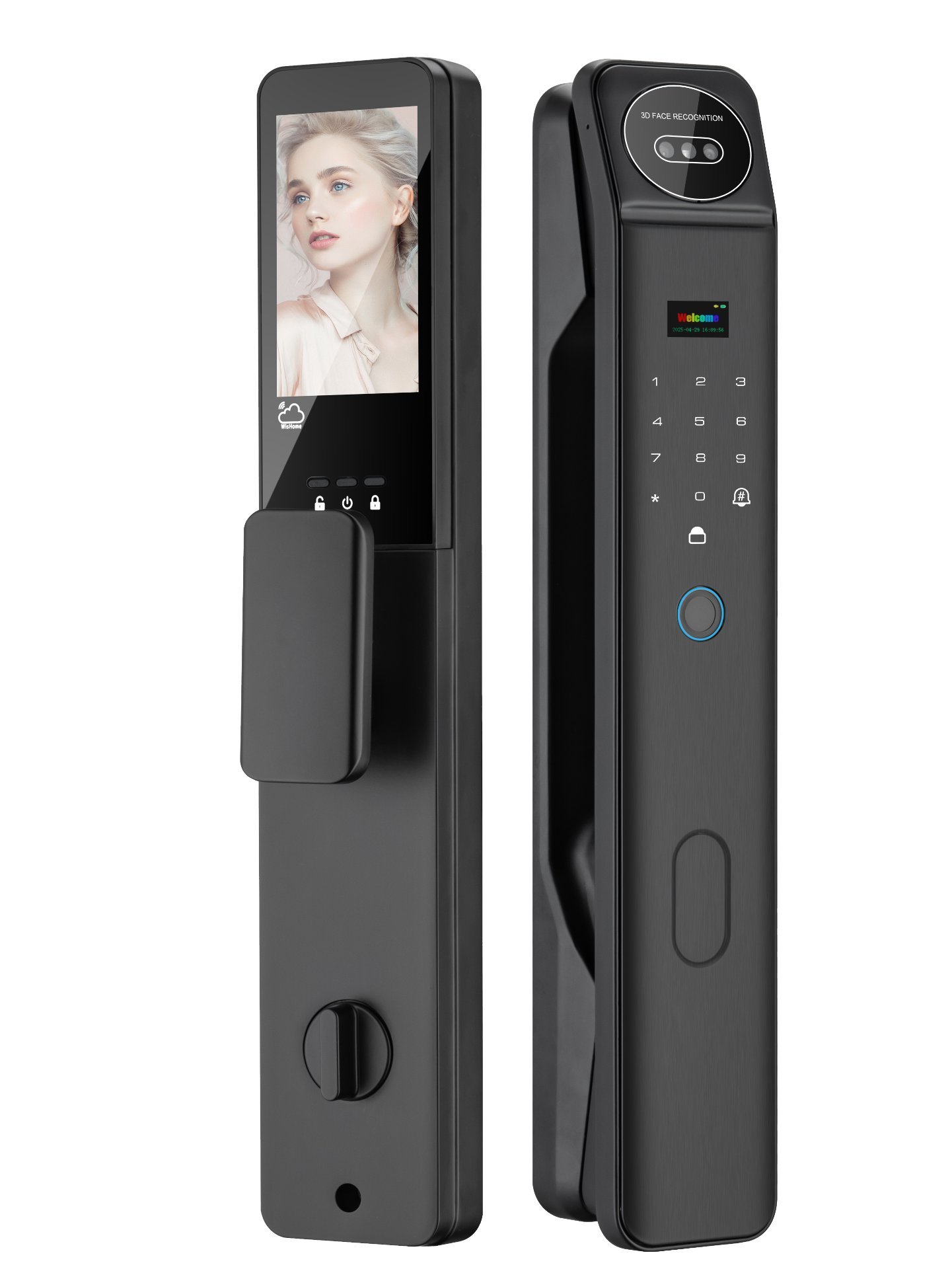
3D face recognition is a step up from fingerprint access in terms of convenience. The user does not need to touch anything — they simply approach the door and the lock recognizes their face.
How It Works
A 3D face recognition system projects a structured-light or depth pattern onto the face and builds a three-dimensional model. Because it measures depth rather than a flat image, it is far more resistant to photos, videos and simple spoofing than a 2D camera. The user stands in front of the lock at the recognized distance and the door unlocks automatically.
Where Face Recognition Works Best
- Villas and premium residences
- Households with elderly users, children or people carrying groceries
- Entrances where a hands-free, no-touch experience is preferred
- Applications where higher anti-spoofing security is important
Practical Considerations
Face recognition is more convenient than fingerprint and generally more resistant to spoofing than 2D recognition. It is a more advanced feature, so it tends to appear on higher-specification models. As with any biometric method, performance can depend on lighting conditions and on the specific model’s sensor, so the actual behavior should be confirmed for the intended door environment.
3. Palm Vein Smart Locks
Palm vein authentication is the most advanced of the three biometric methods discussed here. Instead of reading a surface pattern like a fingerprint, it reads the vein pattern beneath the skin of the palm using near-infrared light.
How It Works
A palm vein sensor illuminates the palm with infrared light. Hemoglobin in the blood absorbs the infrared light, so the veins appear as a distinct pattern. This internal vein pattern is unique to each person and, because it is read beneath the skin, it is extremely difficult to copy or spoof.
Where Palm Vein Works Best
- High-security residential entrances
- Villas and premium properties
- Environments where the highest level of anti-spoofing is required
- Doors that already combine face recognition and want an additional biometric layer
Practical Considerations
Palm vein is the most secure of the three methods because the pattern is internal. However, it requires the user to position the palm in front of the sensor, and it is generally found on the most advanced smart lock models, often combined with 3D face recognition rather than as a standalone method.
4. Side-by-Side Comparison
The table below summarizes the key differences between the three biometric methods.
| Factor | Fingerprint | 3D Face Recognition | Palm Vein |
|---|---|---|---|
| How it reads the body | Surface ridges of a finger | 3D shape of the face | Vein pattern under the skin |
| Convenience | High — touch to open | Very high — hands-free | High — palm to sensor |
| Anti-spoofing strength | Medium | High (vs 2D) | Very high (internal pattern) |
| Touch-free | No — requires contact | Yes | No — palm near sensor |
| Sensitivity to dirty / wet hands | Higher | Lower | Lower |
| Sensitivity to lighting | None | Moderate (model-dependent) | Lower |
| Typical cost level | Most affordable | Mid to premium | Premium |
| Typical application | Home, apartment, office | Villa, premium residence | High-security, premium, combined systems |
| Often combined with | Password, card, key | Palm vein, video intercom | 3D face recognition, video intercom |
5. Which Biometric Method Is Better?
There is no single “best” biometric method — the better choice depends on the application.
For Everyday Homes and Apartments
Fingerprint recognition is usually the most practical choice. It is affordable, easy to use and well understood by most users. For many residential doors, fingerprint combined with password, card and key access covers the full requirement.
For Villas and Premium Residences
3D face recognition is often preferred. The hands-free experience is convenient for residents carrying items, and the higher anti-spoofing strength suits higher-value properties. A model that combines 3D face recognition with palm vein offers an even stronger security layer.
For the Highest Security Needs
Palm vein authentication provides the strongest resistance to copying, because the vein pattern is internal and cannot be captured from the surface. For high-security entrances, a smart lock that combines 3D face recognition and palm vein provides two independent biometric layers.
Important: Fingerprint, face recognition and palm vein are not mutually exclusive. Many advanced smart locks combine two or even all three methods on a single door, so the decision is often “which to prioritize” rather than “which to choose exclusively.”
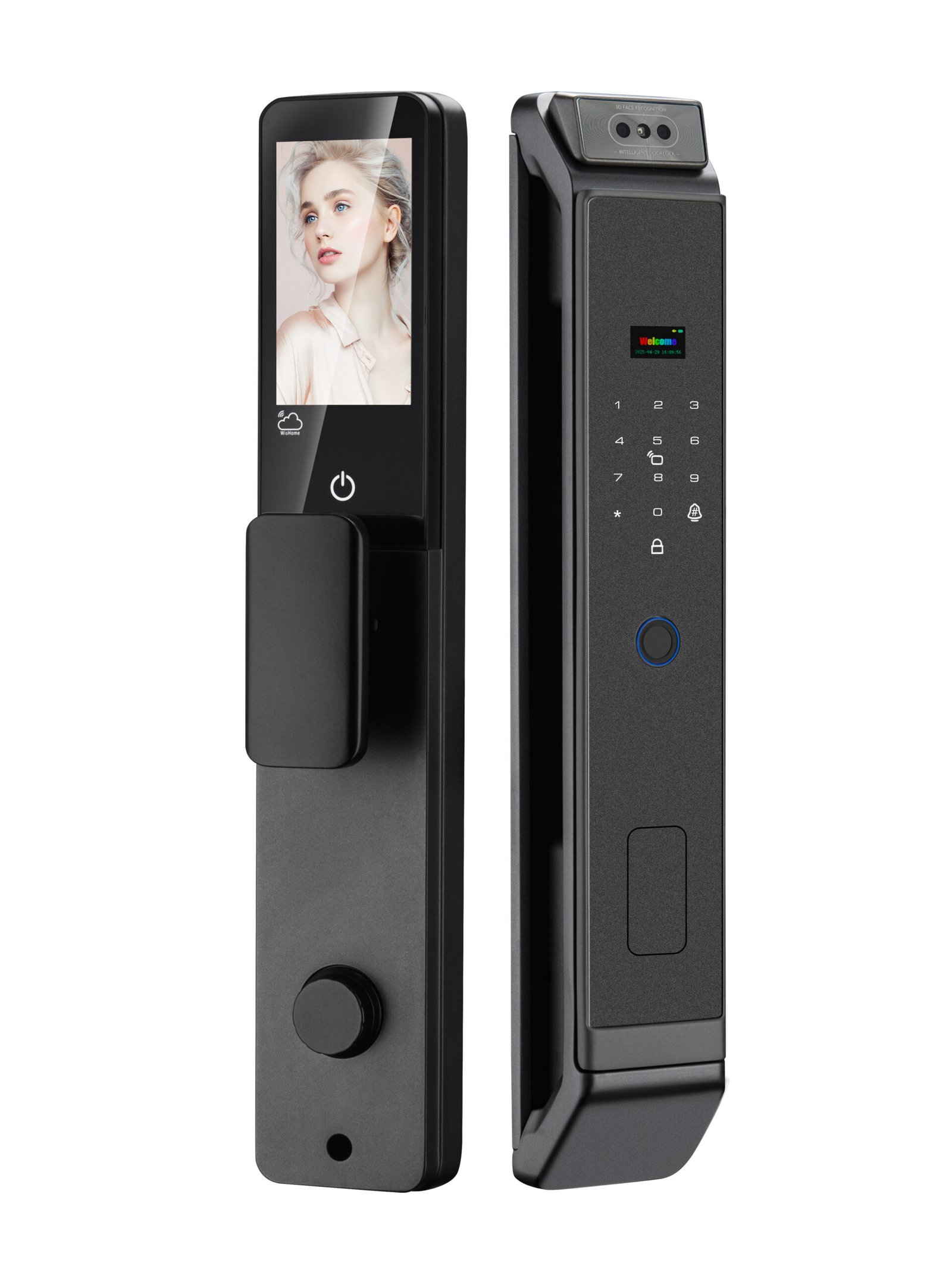
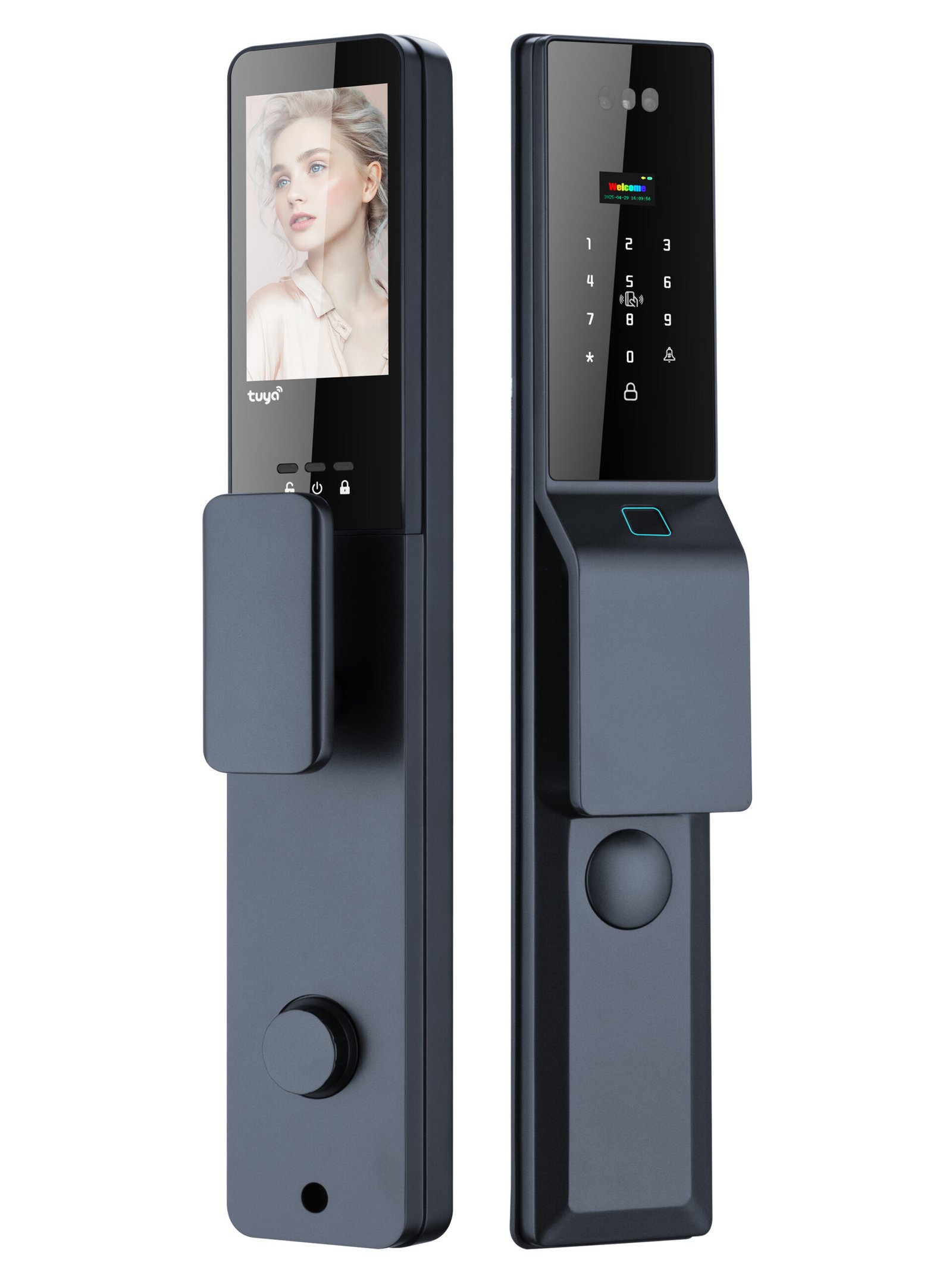
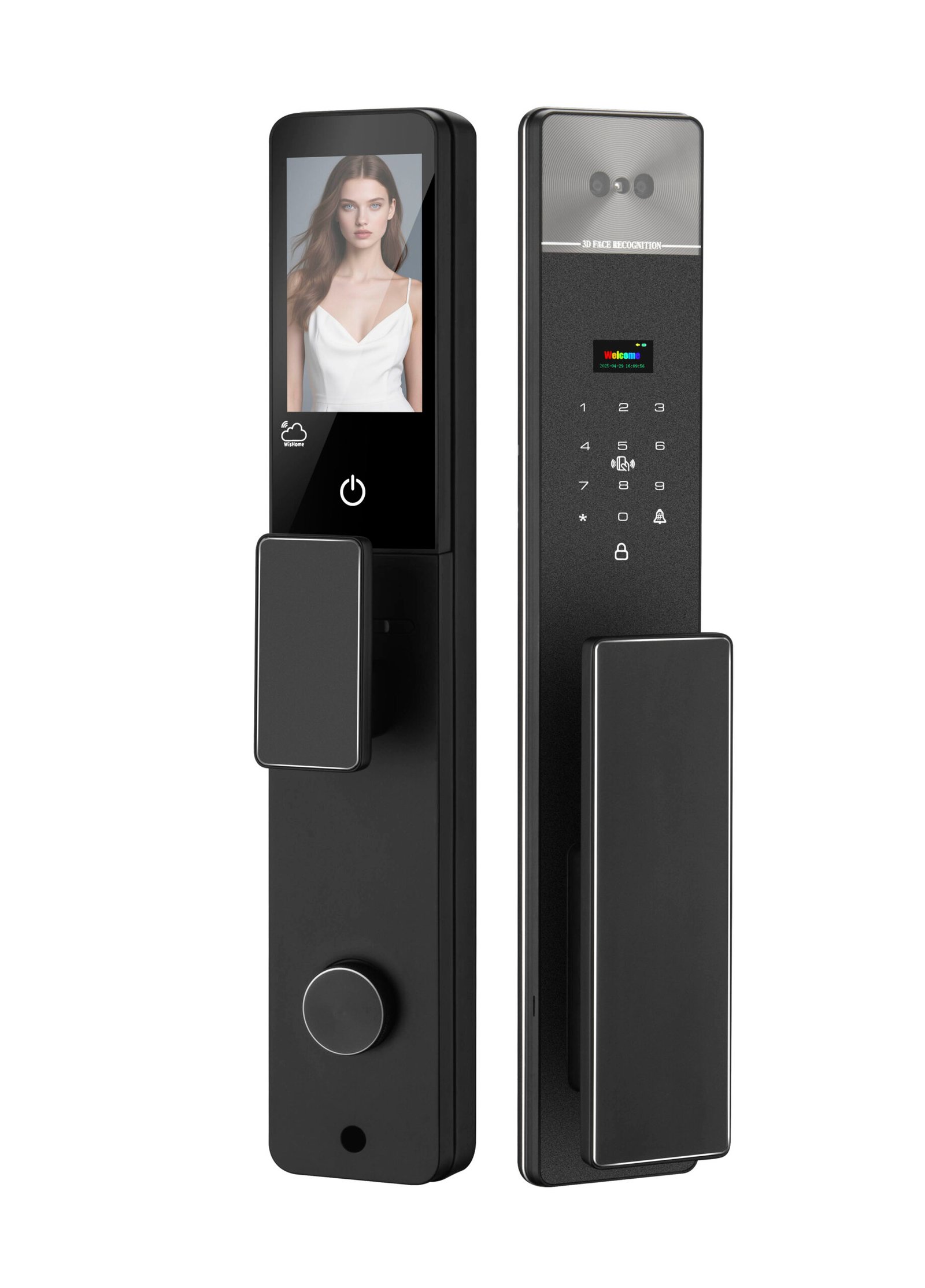
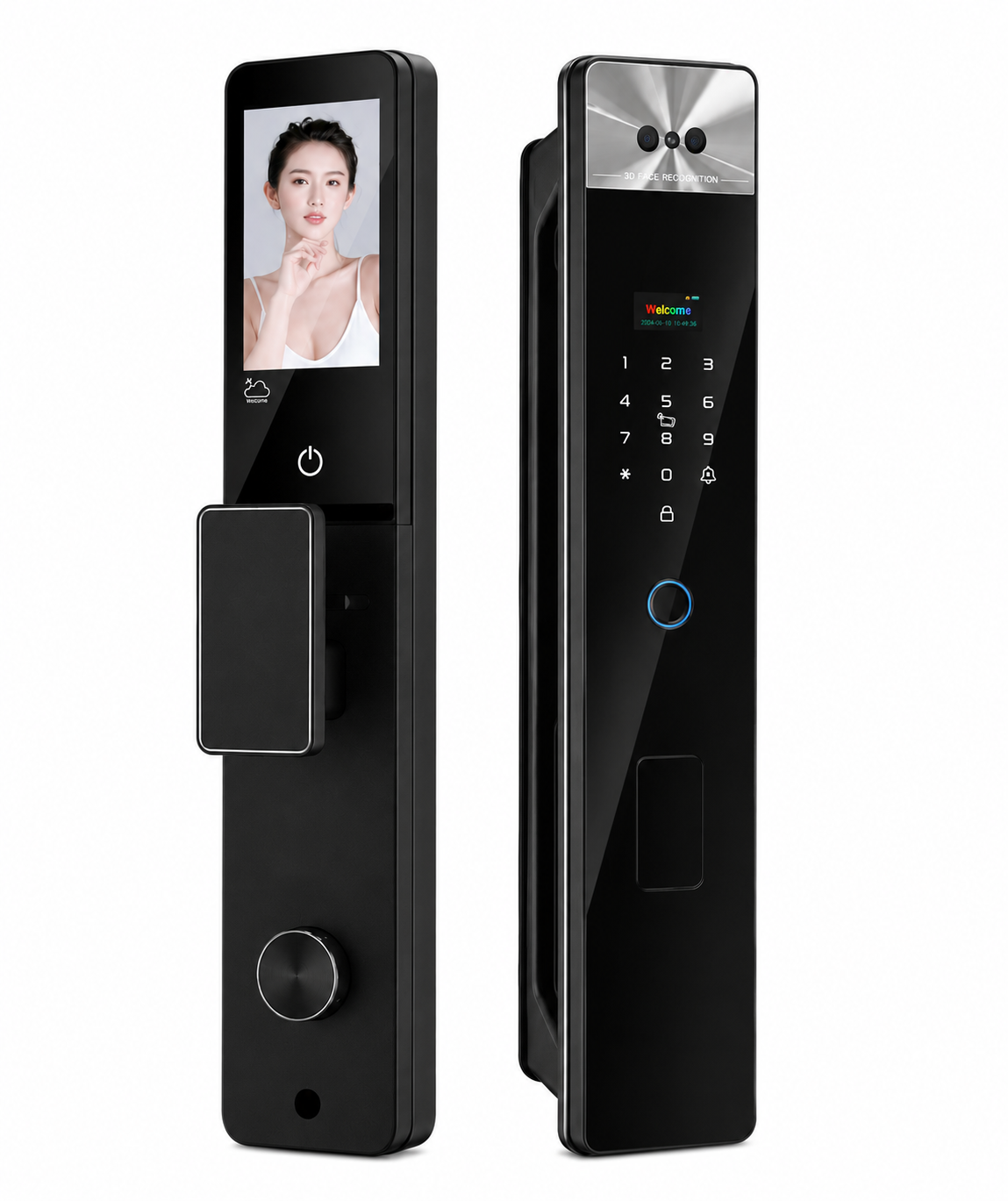
6. Biometric Methods Across the CaremLock DDL Series
CaremLock’s DDL series includes models built around different combinations of biometric and visual access technologies. The exact biometric configuration of each model should be confirmed with the product specifications, but the series demonstrates how fingerprint, face recognition and palm vein can be combined in real products.
Summary
Fingerprint is the most practical and affordable biometric method for everyday residential use. 3D face recognition adds hands-free convenience and stronger anti-spoofing for premium entrances. Palm vein offers the highest level of security because it reads an internal pattern that is extremely difficult to copy.
For many buyers, the best result comes not from choosing one method, but from selecting a smart lock that combines the appropriate methods for the door, the users and the security level required.
Related guides: How to Choose a Smart Lock in 2026 and How to Choose Smart Locks for Apartments and Multi-Family Projects.
Not Sure Which Biometric Smart Lock Fits Your Project?
If you are sourcing smart locks for a home, villa, apartment building, hotel or distribution business, contact CaremLock with your requirements.
Our team can help you compare fingerprint, face recognition and palm vein configurations according to your door type, security needs and project scale.