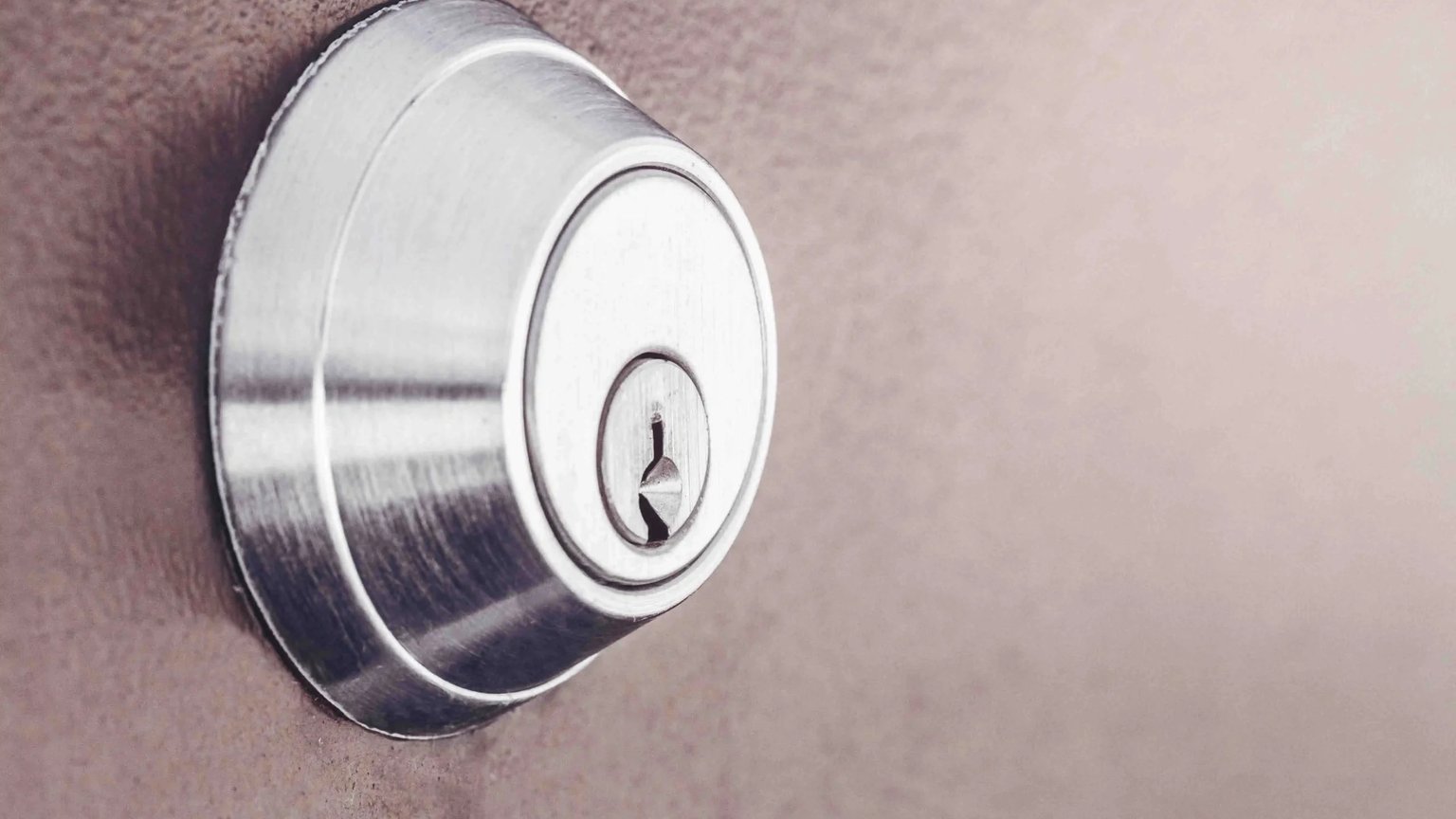
A deadbolt and a mortise lock are not two versions of the same product. They are two answers to two different door preparations. In the US, most residential doors are bored: a round hole through the door face takes a deadbolt cylinder, and a separate latch handles entry. In the EU, most doors are mortised: a pocket in the door edge takes a lock case holding latch and bolt together, worked by a Euro-profile cylinder. Choose by the door preparation, not by preference or looks. This comparison is for distributors, importers and installers selling into both markets who need to stock the right type for each. It does not fit a buyer who already knows their door preparation, or one buying for a single home. Before you compare models, find out which preparation your customer’s doors use.
Hook: The Same Lock, Two Markets, Two Door Preps
The most expensive mistake here is not choosing the weaker lock. It is ordering the right lock for the wrong door. A deadbolt built for a bored US door cannot be fitted to a European mortise door, and a mortise lock built for a Euro pocket cannot be fitted to a bored door. The lock is not the problem. The preparation is.
This matters most to a distributor serving both markets from one catalogue. A deadbolt range that sells well in the US will sit in the warehouse in Germany, and a mortise range that sells well in Germany will sit in the warehouse in Texas. The two types share fingerprint readers, keypads and app control, so they look interchangeable in a brochure. On the door they are not, and the installer discovers that on the first job. CaremLock’s deadbolt family, including the DS01 and DS05 models, is built for the bored-door markets, while its mortise-style families — room-door, semi-automatic and fully-automatic locks — are built for doors with a lock case in the edge. Confirm the preparation, backset and cylinder type for the exact model on its spec sheet.
Diagnose: How Each Type Works, and What Has to Match
A deadbolt is a separate bolt. It sits in its own bore above the latch, throws a solid bolt into the frame when locked, and retracts fully when unlocked. Daily entry runs through the latch below it; the deadbolt is only thrown when the door is locked. The measurements that decide fit are the cross-bore diameter, the backset — commonly 2-3/8 inch (60mm) or 2-3/4 inch (70mm) in the US market — and the door thickness. As a separate unit, it is the easiest type to retrofit: an existing bored door usually takes a new smart deadbolt with no new cutting, provided backset and thickness match.
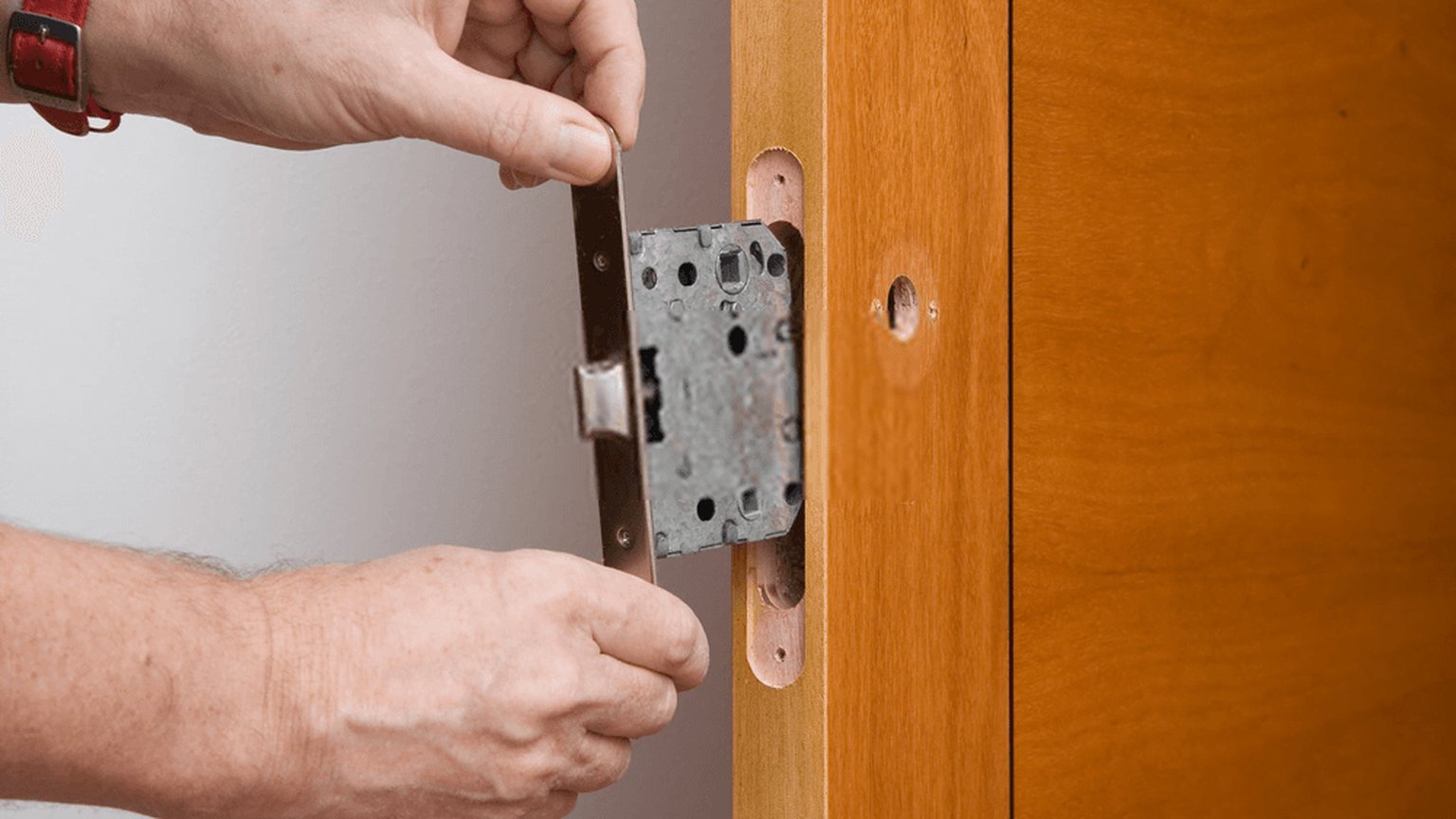
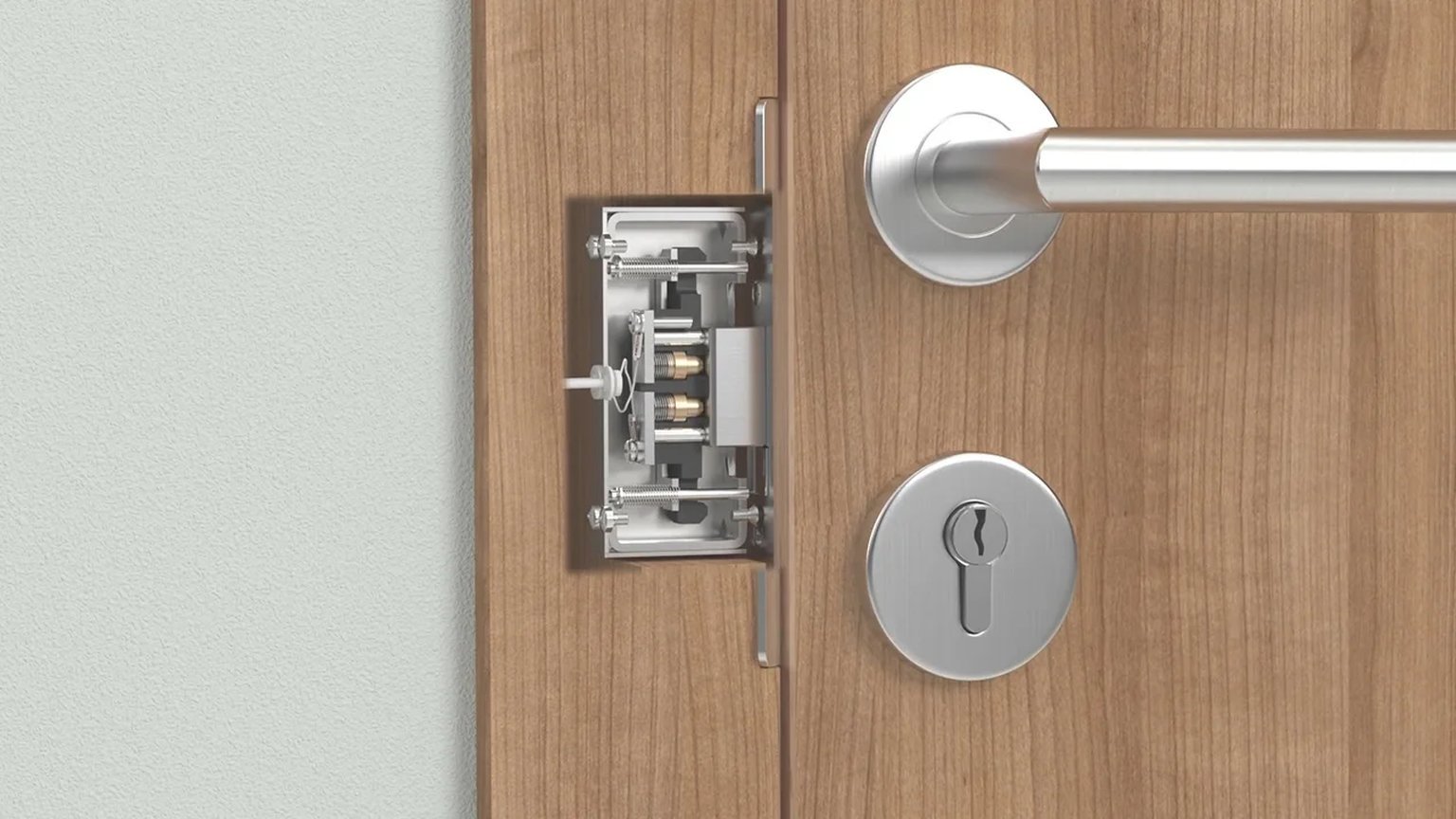
A mortise lock is a case inside the door. The latch and the bolt live together in one rectangular metal case set into a pocket in the door edge, and a Euro-profile cylinder operates the bolt. The measurements that decide fit are the case height, width and depth, the backset, and the centre distance between the handle spindle and the cylinder — commonly 85mm or 72mm in the European market. Because the case sits inside the door, replacing one means matching the existing pocket or cutting a new one. That is why mortise locks are most often chosen for new doors, where the preparation is specified before the door is made.
Three more differences decide the choice. First, keying: a US deadbolt usually takes a separate cylinder that can be keyed alike across a property, while a Euro cylinder’s length must match the door thickness plus the handle roses — a cylinder that is too long is a security and fit problem. Second, the handle: a mortise lock normally works with a lever handle on a spindle through the case, so handle and lock are one system, while a deadbolt leaves the handle choice separate. Third, market expectations: ask which test standards apply per model and per market, and confirm in writing.
What Goes Wrong When the Wrong Type Ships
- An importer serving both the US and Germany orders a large batch of smart deadbolts, planning to sell the same lock in both markets.
- The US installers fit them in a day, because the doors are already bored for a deadbolt and the backset matches.
- The German installers then find their doors have mortise pockets in the edge and no cross-bore, so the deadbolt has nowhere to sit.
- Without a matching preparation, the buyer cannot install the locks, and must either cut new bores into finished doors or order a mortise range instead.
- That rework risks delaying the project handover, damaging finished doors, and leaving the installer with stock that fits only one market.
- The bounded decision is to stop, split the order by door preparation — deadbolt for the bored doors, mortise for the pocketed doors — and confirm the measurements for each market before re-ordering.
Decide: Deadbolt vs Mortise at a Glance
Use this table to sort a customer’s doors before you choose a model. The preparation row is the one that decides; the rest follow from it.
| Deadbolt smart lock | Mortise smart lock | |
|---|---|---|
| Door preparation | Round cross-bore through the door face, plus a separate latch bore | Rectangular pocket cut into the door edge |
| Typical market | US residential and light commercial doors | EU residential, apartment and project doors |
| Key measurements | Cross-bore diameter, backset (commonly 2-3/8″ or 2-3/4″), door thickness | Case size, backset, handle-to-cylinder centre distance (commonly 85mm or 72mm) |
| Cylinder | Separate deadbolt cylinder, keyed to the property as needed | Euro-profile cylinder; length must match door thickness |
| Handle | Separate from the lock; latch and handle chosen independently | Lever handle on a spindle through the lock case |
| Retrofit | Usually straightforward on an already bored door | Needs a matching pocket, or new cutting in the door edge |
| New build | Works, but the door must be bored to suit | Usually specified with the door, so the pocket is cut at the factory |
| Best for | Replacing a US deadbolt, and projects with bored doors | EU projects, apartment blocks and doors already mortised |
| CaremLock example family | DS01 / DS05 deadbolts | Room-door, semi-automatic and fully-automatic families |
Two rules follow from the table. If the door is already bored, start with a deadbolt. If the door already has a mortise pocket, start with a mortise lock. Changing the preparation is possible, but it is a door-maker’s job, not a lock installer’s job, and it should be priced as one.
De-risk: What the Comparison Cannot Prove
This comparison sorts lock types. It does not prove that any single model fits your customer’s door. A deadbolt with the wrong backset will not throw its bolt into the strike, and a mortise case a few millimetres too deep will not sit flush in the pocket. Measure the door, then match the measurement to the spec sheet for the exact model — never to the range as a whole.
Mixed stock is the second risk. Selling into both markets means holding two preparations, two sets of spare parts and two sets of installation instructions. Keep the two ranges separate in the warehouse and in the quote: a deadbolt cylinder is not a Euro cylinder, and a mortise spare is not a deadbolt spare.
Stock orders can start from 1 piece, and ready stock is available — confirm the exact models and stock status per model. Broad approximate price ranges, for example $50–150 per lock depending on market and model, can frame a budget only; confirm the exact figure per project and per model. Do not compare on price alone: a mortise retrofit can need new cutting while a deadbolt retrofit usually does not, so the cheaper lock can be the dearer job.
If a supplier cannot state the backset, the case size or the cylinder type for the exact model, stop. Do not work around the gap by ordering the other type, accepting a verbal promise, or asking the installer to confirm fit on site. The comparison has done its job when it stops an order the door preparation cannot support.
Act: Request the Spec Sheets and Samples for Both Types
You now have the comparison and the measurements that decide it. Next, request the spec sheets and samples for the type each market needs.
Primary — request a project quote and spec sheets: Email sales@caremlock.com to request a project quote and the spec sheets for the deadbolt and mortise models you are comparing, for example the DS01 / DS05 deadbolts and the room-door and semi-automatic families. Include the door preparation, backset, door thickness and the market for each, and ask the sales team to confirm fit per model. This does not commit you to an order.
Soft — use the comparison table on your customer’s doors: Sort your customer’s doors by preparation first, then match a model to each group. Keep the deadbolt doors and the mortise doors on separate lines of the same quote, so the two preparations never get mixed.
Fallback — save the comparison and email later: If you are not ready to contact a supplier, save this comparison locally with your customer’s door preparation, backset and thickness noted on it, and email the sales team later with those details to request samples and the spec sheets.