Most commercial buildings have a moment when the last daytime occupant leaves and the access plan resets. Doors are checked, lights are switched off, the reception desk closes, and the overnight routine starts from a known state. A building that never fully closes does not get that reset. Its most consequential access decisions can happen when the fewest people are present to make them.
24 hour building entry access is not daytime access with the lights left on. It is a separate operating model: fewer people on site, longer gaps between checks and a higher cost when a door is left open, a credential is lost or a lock stops responding. The plan has to work at 3 a.m., when the person who normally solves access problems is asleep.
The night shift’s access reality
Night operations concentrate responsibility without concentrating staff. A daytime entrance might have a receptionist, a passing cleaner and a security officer within sight of one another. At night, one person may cover several floors, a loading door and a car park, while the next check is still an hour away.
That gap changes the meaning of a locked door. During the day, a door that fails to close is likely to be noticed within minutes. At night, it may stay that way until someone walks the route or a problem appears elsewhere. The access plan has to assume that nobody is watching the door simply because it is locked.
This is why night access should be described in roles rather than job titles. The question is not whether a cleaning supervisor is senior enough to hold a credential. It is which doors that person may open, who can authorize an exception and who takes responsibility when the shift ends.
Power and the night
Every powered lock has a dependency. At night, that dependency is less visible because fewer people pass the door and a power problem may sit unnoticed until someone cannot get in. The practical response is to know the documented power arrangement for each model and to build a routine around it, rather than let the first person to arrive discover the problem.
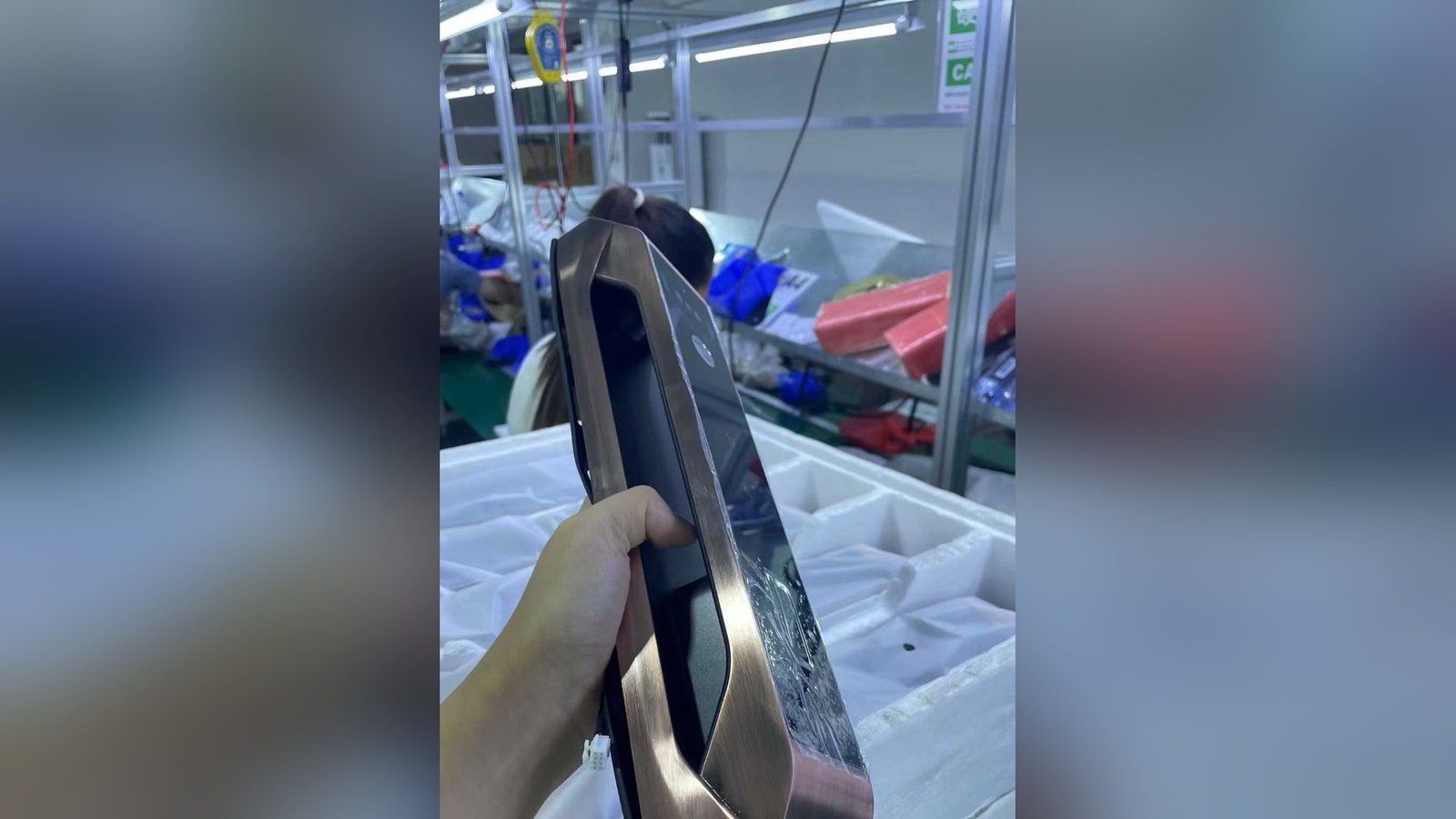
CaremLock’s documentation gives three concrete examples. The DS-series deadbolts are documented to run on 6V from four AA batteries and to include a mechanical key override. The A20 glass-door model can run on a 12V 23A battery or a 5V power bank. The DDA2 is documented with dual power from two sets of four AA batteries and anti-reverse charging.
Those details are not interchangeable across a project. A mechanical key override gives the property a documented mechanical route when the electronic side does not cooperate. The A20’s two power options and the DDA2’s dual arrangement are reasons to write the power plan per model, not per building. The DDA2 listing also includes anti-reverse charging, a line worth carrying into the handover notes for whoever maintains that door. A night team should also know the property’s power outage entry plan before the first outage, not during it.
Who needs to get in at 3am
Night access is rarely one category of person. At different hours, the same entrance may serve a security officer on a round, a cleaning crew, an emergency tradesperson and a resident or tenant arriving late. Each has a different reason to be there and a different level of authorization.
- Security rounds. A repeated route across many doors. The useful control is a named person, a defined route and a record of the round.
- Cleaning crews. A predictable shift but often several people, including a supervisor who arrives later or leaves earlier. Credentials need to follow individuals, not the whole crew.
- Emergency trades. An unplanned arrival, often outside normal hours and sometimes without the usual paperwork. The property needs an authorization step that still works when the person who signs is unavailable.
- Late residents. A single person who needs one door, not a tour of the building. The credential should reflect that narrow need.
A permanent night-staff code merges those groups. If one person leaves, the code has to change for everyone. If one person needs a single door, the code still opens every door it was given. Separate credentials make the trust level visible and make later revocation possible.
Temporary and limited credentials
Temporary credentials are useful when the need is real but the duration is not. The DDZ17 room-door model is documented to support temporary passwords. For a night operation, that creates room to issue a credential for a named person and a specific need without adding that person to the permanent daytime population.
The property still owns the duration. Decide who may issue a temporary password, what it is for and when it should be removed. Keep that authority narrow; the admin role structure behind daytime access is just as important after dark, when fewer people are available to correct a mistake.
Per-person credentials also make the morning handover more honest. A cleaner who leaves mid-shift, a contractor whose job finishes early and a resident who moves out all create a small revocation task. A named credential can be removed on its own. A shared one forces a wider change, which is why staff offboarding access revocation deserves a place in the night plan as well as the HR file.
The night access plan
A night access plan should fit on one page and live where the night team can find it. The checklist below covers the decisions that cannot be left to memory at 3 a.m.
What the plan should name
- Named roles. Identify who holds credentials, who can authorize an exception, who checks the doors and who is called when the usual person does not answer.
- One fallback path per entrance. State the documented method for opening the door if the primary method fails, where any mechanical key is kept and who may use it.
- A call sequence. Put the on-site supervisor first, then the property manager, then the maintenance contact. A list of names without an order is not a plan.
- A low-battery routine. Assign who checks each powered lock, when the check happens, where spare batteries are kept and how the result is recorded.
- A limit on permanent night credentials. List every exception, who approved it and when it will be reviewed.
- A monthly review. Compare the plan with actual night routines, staff changes and any access incidents the property has recorded.
Test the plan at the hour it matters. A night access plan reviewed only in a daytime meeting is a set of good intentions. Walk one entrance after dark, with the person who actually covers that shift, and check that the fallback, the contact list and the credential record are all reachable from where the problem would occur.
Who owns 24 hour building entry access when the building is quiet?
CaremLock supplies locks for B2B projects and can discuss the documented power arrangements for the models in your specification. Share the door types and the hours your building operates, and the team can respond with relevant model information and a quote.
Or review the product range and contact the team.